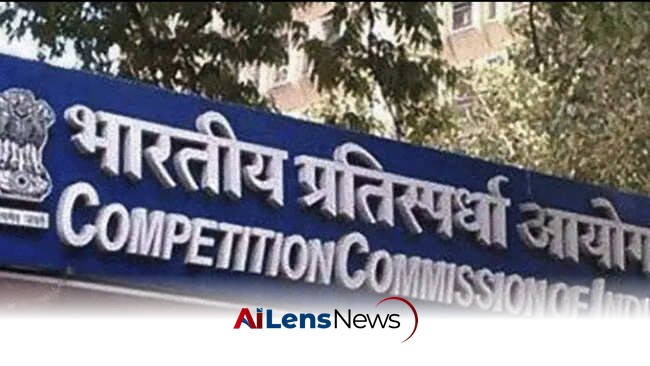


The Competition Commission of India is exercising restraint in initiating suo motu cases due to potential conflicts of interest, as revealed in a recent parliamentary report.
New Delhi, India Jul 26, 2026 ALN: New Delhi: The Competition Commission of India (CCI) has recently made a significant policy shift by refraining from initiating suo motu cases unless there are no other parties willing to come forward with complaints. This decision has been communicated to a Parliamentary panel and stems from growing concerns regarding potential conflicts of interest in both establishing and adjudicating these cases.
The CCI is an autonomous regulatory body established in 2003 with the primary mandate of curbing unfair business practices and promoting fair competition in various sectors of the Indian . The commission's role is crucial as it ensures that businesses operate within a framework that discourages monopolistic practices and promotes consumer welfare. However, the Committee on Subordinate Legislation of the Rajya Sabha has recently flagged a noticeable decline in the number of suo motu cases initiated by the commission, raising questions about the effectiveness of the CCI in fulfilling its mandate.
During a committee meeting held on May 19, CCI Chairperson Ravneet Kaur provided insights into the commission's changing approach. She noted that the frequency of suo motu cases was significantly higher in the commission's early years, primarily due to limited public awareness regarding competition law. In those formative years, the CCI often took the initiative to investigate potential violations of competition law without waiting for formal complaints from affected parties. This proactive stance was intended to educate the public about their rights under competition law and to foster a culture of compliance among businesses.
However, the CCI has now reassessed this approach, recognizing that there exists a conflict of interest when the commission is responsible for both establishing a case against a party and also adjudicating it. This dual role could potentially compromise the impartiality of the commission's decisions. Consequently, the CCI has decided to limit its involvement in suo motu cases, opting to act only when no other parties are willing to come forward with complaints. This shift underscores the commission's commitment to maintaining the integrity of its processes and ensuring that all parties are treated fairly.
In addition to this change in policy regarding suo motu cases, the CCI has also begun exercising greater restraint in sectors where sectoral regulators already exist. This approach is designed to prevent overlap and ensure that the CCI does not overstep its boundaries, thereby maintaining a fair regulatory environment across different sectors. By coordinating with other regulatory bodies, the CCI aims to create a more cohesive regulatory framework that benefits consumers and businesses alike.
The CCI's recent submissions to the Parliamentary committee are part of a broader report that was tabled in Parliament this week. This report highlighted the commission's performance in handling anti-trust cases, noting that out of 1,375 cases received to date, 1,237 have been disposed of. This statistic reflects the CCI's ongoing efforts to address anti-competitive practices in a timely manner, although the decline in suo motu cases raises questions about the commission's ability to proactively identify and address issues without external prompting.
During the committee meeting, a related discussion arose concerning the settlement amount in the Android Smart TV case, which was valued at just Rs 20.24 crore. This figure was contrasted with the European Union's imposition of a USD 4 billion fine in a similar matter involving Google. The disparity in the settlement amounts prompted CCI Chairperson Ravneet Kaur to clarify the rationale behind the CCI's decision-making process. She explained that the settlement amount was determined based on the relevant Indian turnover of the company in the Smart TV operating system market, taking into account both mitigating and aggravating factors, as well as a statutory settlement discount of 15 percent.
Kaur further emphasized that the matter dealt with by the European Union pertained to a different market segment involving mobile operating systems, which made it difficult to draw direct comparisons with the Indian case. This distinction is important as it highlights the complexities involved in competition law enforcement across different jurisdictions, where market dynamics and regulatory frameworks can vary significantly.
In April of the previous year, Google reached a settlement with the CCI regarding a nearly four-year-old case related to alleged unfair business practices in the Android Smart TV market. As part of this settlement, Google agreed to modify its agreements with vendors, a move that was seen as a step towards improving competition in the market. The CCI's ability to negotiate such settlements is crucial in ensuring compliance with competition law and fostering a competitive environment.
As the CCI continues to navigate its regulatory responsibilities, the emphasis on avoiding conflicts of interest while ensuring fair competition remains a priority. The commission's evolving approach reflects a broader recognition of the need for transparency and accountability in regulatory processes. By limiting suo motu cases and coordinating with sectoral regulators, the CCI aims to strengthen its role as an impartial arbiter in the complex landscape of competition law enforcement.
In conclusion, the CCI's decision to limit suo motu cases and exercise restraint in sectors with existing regulators is a significant development in India's regulatory landscape. It underscores the commission's commitment to maintaining fairness and integrity in its operations while adapting to the evolving needs of the market. As the CCI continues to refine its approach, stakeholders across various sectors will be watching closely to assess the implications of these changes on competition and consumer welfare in India.
This policy shift is particularly noteworthy given the increasing emphasis on competition law globally, where regulators are becoming more vigilant in monitoring market practices and ensuring that consumer interests are protected. The CCI's decision may reflect a broader trend in regulatory practices, where the focus is on collaboration and coordination among various regulatory bodies to avoid regulatory overlaps and ensure efficient enforcement of laws.
Furthermore, the implications of this shift could lead to a more engaged business community that feels empowered to report unfair practices, knowing that their complaints will be taken seriously. This could foster a more vibrant competitive landscape in India, where businesses are encouraged to innovate and provide better services to consumers without the fear of anti-competitive practices undermining their efforts.
As the CCI moves forward with this new approach, it will be essential for the commission to maintain open lines of communication with stakeholders, including businesses, consumers, and other regulatory bodies. This will not only enhance the effectiveness of competition law enforcement but also build trust in the regulatory framework, which is vital for a healthy environment.
In summary, the CCI's recent policy changes signify a critical juncture in India's competition law landscape. By limiting suo motu cases and collaborating more closely with sectoral regulators, the CCI is taking a proactive step towards ensuring that competition law is enforced in a manner that is both fair and effective, ultimately benefiting consumers and the at large.
To learn more about the latest developments in Economic Reports, stay updated with our exclusive reports and analyses on AiLensNews.

