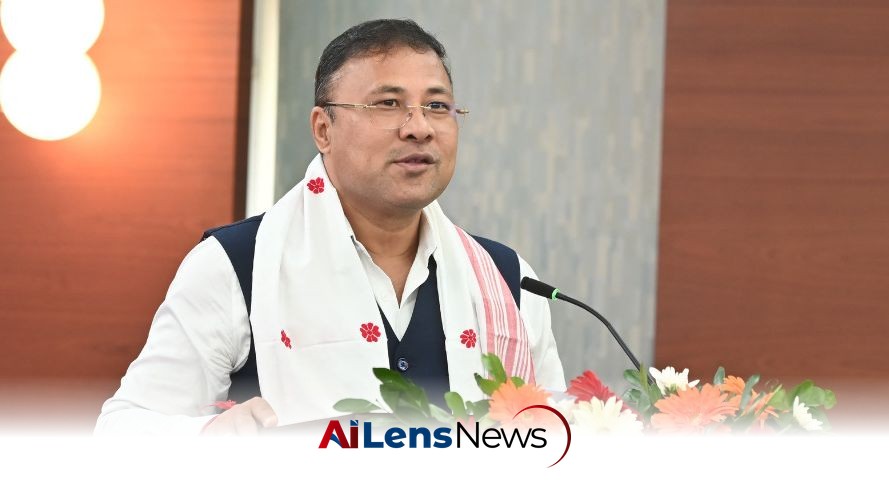


Minister Bimal Borah announces that only 12,331 out of 25,277 beneficiaries qualify for the second instalment of the CMAAA scheme, with 74,694 enrolled in CMAAA 2.0.
Dispur, India Jul 17, 2026 ALN: Nearly half of the beneficiaries under the first phase of the Chief Minister's Atmanirbhar Asom Abhiyan (CMAAA) have failed to qualify for the second instalment of financial assistance after an assessment found that the funds were not utilised properly, Industries, Commerce and Public Enterprises Minister Bimal Borah said on Friday.
The CMAAA was launched by the Assam government as a flagship self-employment scheme aimed at fostering entrepreneurship and self-reliance among the youth and marginalized sections of society. The initiative seeks to provide financial aid and training to aspiring entrepreneurs, enabling them to start and sustain their own businesses. As part of the first phase, the government allocated financial assistance of Rs 1 lakh to each beneficiary, which was intended to kickstart their entrepreneurial ventures.
Addressing a press conference at Janata Bhawan, Borah stated that the State government is determined to ensure that public funds are used productively and that only genuine entrepreneurs committed to building sustainable businesses continue to receive financial support under the flagship self-employment scheme. The scrutiny of beneficiaries was crucial for the government to maintain the integrity of the program and to ensure that financial assistance reaches those who truly need it and are capable of utilizing it effectively.
"In the first phase of CMAAA, 25,277 beneficiaries were provided financial assistance of Rs 1 lakh each, including 25,056 from the general category and 221 professionals. After reviewing how the funds were utilised and evaluating the progress of their enterprises, only 12,331 beneficiaries have qualified for the second phase of assistance," the minister said. This assessment has raised questions about the effectiveness of the initial phase and the challenges faced by beneficiaries in implementing their business plans.
The evaluation was carried out constituency-wise, with government officials assessing whether beneficiaries had invested the funds in their proposed ventures and whether the businesses had shown tangible progress. This thorough evaluation process underscores the government's commitment to accountability and the effective use of public funds.
"Almost 50 percent of the beneficiaries could not qualify for the next phase because they failed to utilise the financial assistance in the intended manner," Borah noted. This statistic highlights a significant gap in the program's anticipated outcomes versus the actual results, indicating potential issues in the training, support, or guidance provided to the beneficiaries.
The minister stressed that the government would continue monitoring beneficiaries even after the release of subsequent instalments to ensure accountability and long-term success of the scheme. Continuous monitoring is essential to identify any ongoing challenges faced by the beneficiaries and to provide the necessary support to overcome these hurdles.
Announcing the rollout of CMAAA 2.0, Borah revealed that the government had received around 75,000 applications, of which 74,694 applicants have been selected to receive financial assistance. This new phase reflects the government's ongoing commitment to expanding the program and reaching a larger audience of potential entrepreneurs.
Of the selected beneficiaries, 74,350 belong to the general category, while 344 are from the professional category, he said. This distribution indicates a strong focus on inclusivity, ensuring that both general aspirants and professionals have access to the support they need to thrive in their respective fields.
Each selected beneficiary has already received the first instalment of Rs 75,000. Before receiving the remaining Rs 25,000, all beneficiaries are undergoing a three-day specialised training programme in their respective constituencies. This training is a crucial component of the CMAAA, as it is designed to equip beneficiaries with the necessary skills and knowledge to effectively manage their businesses.
"The training covers sector-specific areas such as agriculture, piggery, handloom, accounts and other entrepreneurship-related subjects. It is aimed at equipping beneficiaries with the practical skills required to successfully run their enterprises," Borah explained. By focusing on sector-specific training, the government aims to address the unique challenges and opportunities present in different industries, thereby increasing the likelihood of business success.
He added that the training programmes are expected to conclude by July 31, following which the remaining Rs 25,000 will be released during the first week of August, subject to completion of the mandatory training. This structured approach to disbursement ensures that beneficiaries are adequately prepared to utilize the funds effectively.
Reiterating the government's larger vision, Borah stated that the objective of the Chief Minister's Atmanirbhar Asom Abhiyan is to nurture a new generation of entrepreneurs and promote self-reliance across Assam. The initiative aims not only to provide financial support but also to foster a culture of entrepreneurship that can lead to job creation and economic growth in the region.
"Our goal is to develop enterprising young men and women into successful entrepreneurs. Financial assistance alone is not enough; we want to ensure they build sustainable businesses. We must make the CMAAA scheme a success, and that requires both government support and responsible participation from beneficiaries," he concluded. This final statement encapsulates the dual responsibility of the government and beneficiaries in ensuring the success of the CMAAA, highlighting the need for collaboration and commitment from all parties involved.
The implications of this assessment and the subsequent rollout of CMAAA 2.0 are significant for the entrepreneurial landscape in Assam. With a focus on accountability, training, and support, the government aims to create a more robust ecosystem for startups and small businesses. However, the initial failure of nearly half of the beneficiaries to qualify for the next phase raises concerns about the effectiveness of the program's implementation and the support provided to entrepreneurs.
As the government moves forward with CMAAA 2.0, it will be crucial to address the challenges identified in the first phase and to ensure that the training and resources provided to beneficiaries are adequate and relevant. By doing so, the government can enhance the chances of success for future entrepreneurs and contribute to the overall economic development of Assam.
To learn more about the latest developments in Economic Reports, stay updated with our exclusive reports and analyses on AiLensNews.

