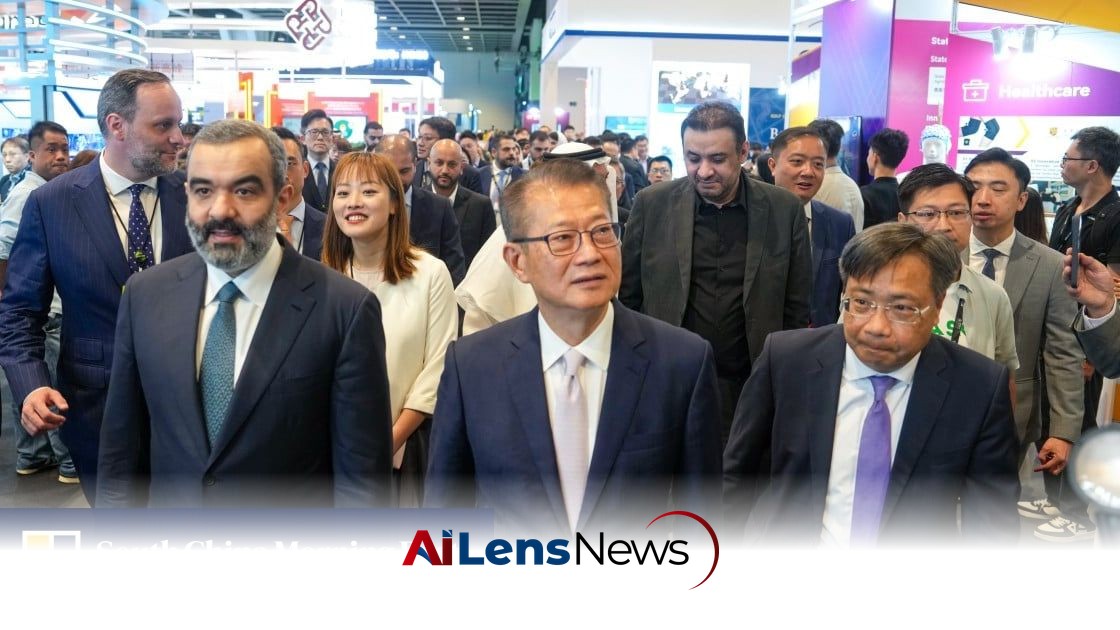


Hong Kong's finance chief reports a significant increase in trade with the Middle East, highlighting a shift in capital flows towards Asia.
London, United Kingdom Jul 12, 2026 ALN: Capital from the Gulf region is showing signs of flowing into Asia, according to Hong Kong’s finance chief, as bilateral trade between the Middle East and the city rose 35 percent in the first five months of the year. This notable increase in trade is part of a broader trend indicating a strengthening economic relationship between Hong Kong and various Middle Eastern nations, particularly the Gulf Arab states.
In his weekly blog on Sunday, Financial Secretary Paul Chan Mo-po elaborated on the evolving ties between Hong Kong and the Middle East, emphasizing the deepening connections in multiple sectors, including the economy, trade, finance, innovation and technology (I&T), and culture over the past few years. The significance of these ties cannot be understated, as they reflect a strategic pivot towards more diversified economic partnerships.
While trade between the Gulf Arab States and Hong Kong rose about 5 percent last year, the figure surged to 35 percent year on year in the first five months of this year, highlighting an accelerating momentum in trade relations. This increase is particularly noteworthy in the context of the global economic landscape, where many regions are still grappling with the aftereffects of the COVID-19 pandemic and geopolitical tensions.
Chan specifically pointed out that bilateral trade between Hong Kong and the United Arab Emirates (UAE) experienced an impressive increase of over 52 percent during the same period. The UAE has long been a key trading partner for Hong Kong, serving as a gateway for trade between Asia and the Middle East. This substantial growth is indicative of the UAE's strategic importance in the region and its role as a hub for international business.
In terms of capital flows, Chan noted a significant shift in investment patterns among Gulf sovereign wealth funds, which have historically focused their investments primarily on American and European markets. However, of the tens of billions of US dollars allocated globally last year, about 40 percent of these funds flowed into Asia. This marks a pivotal moment in investment strategies, reflecting a broader trend of diversification that many investors are now pursuing in response to the changing dynamics of the global economy.
The shift towards Asia is driven by several factors, including the region's robust economic growth, increasing consumer markets, and the potential for high returns on investment. Countries in Asia, particularly those in Southeast Asia and China, have been experiencing rapid economic development, making them attractive destinations for foreign investment. Furthermore, the ongoing digital transformation and innovation within Asia present significant opportunities for Gulf investors looking to capitalize on emerging technologies and industries.
Moreover, this increasing flow of capital from the Gulf to Asia has broader implications for both regions. For Asia, particularly Hong Kong, this influx of investment can bolster economic growth, create jobs, and foster innovation. It can also enhance Hong Kong's position as a leading financial center in the region, further integrating it into the global economy. As more Gulf investors seek opportunities in Asia, Hong Kong stands to benefit from increased trade, investment, and cultural exchange.
On the other hand, for the Gulf states, diversifying their investment portfolios is crucial for long-term economic sustainability. Many Gulf countries, particularly those heavily reliant on oil revenues, are actively seeking to reduce their dependence on fossil fuels by investing in a variety of sectors, including technology, renewable energy, and infrastructure. This strategy aligns with their national visions for economic diversification, such as Saudi Arabia's Vision 2030 and the UAE's Vision 2021, which aim to develop non-oil sectors and foster innovation.
Furthermore, the cultural exchanges between Hong Kong and the Middle East are also on the rise, with increased collaboration in areas such as education, arts, and tourism. This cultural engagement not only enhances mutual understanding but also paves the way for deeper economic ties. As both regions continue to explore opportunities for collaboration, the potential for growth and development is significant.
In conclusion, the recent surge in trade and capital flows from the Gulf to Asia, particularly Hong Kong, signifies a transformative moment in global economic patterns. As the world continues to navigate the complexities of a post-pandemic landscape, the strengthening ties between these regions may lead to new opportunities for collaboration, investment, and growth. The implications of this trend extend beyond mere numbers, reflecting a broader strategic realignment in the global economy that could shape the future of international trade and investment for years to come.
The economic relationship between Hong Kong and the Gulf states is not a new phenomenon. Historically, Hong Kong has acted as a bridge between East and West, facilitating trade and investment flows. The city's strategic location, coupled with its status as a free port and a global financial center, has made it an attractive destination for businesses and investors from the Middle East. The recent uptick in trade figures underscores this long-standing relationship while also indicating a shift in focus towards emerging markets in Asia.
In addition to trade and investment, the cultural exchanges between Hong Kong and the Middle East are increasingly significant. The rise in tourism and educational collaborations reflects a growing interest in mutual understanding and engagement. As more Gulf nationals visit Hong Kong for tourism, education, and business, the potential for cultural exchange expands. This reciprocal interest not only enhances bilateral relations but also contributes to the soft power of both regions.
Moreover, the impact of technology cannot be overlooked in this evolving relationship. The Gulf states have been investing heavily in technology and innovation, recognizing the importance of digital transformation in their economic diversification efforts. Hong Kong, with its vibrant tech ecosystem, presents a valuable partner for Gulf investors looking to tap into Asia's tech scene. Collaborative initiatives in fintech, e-commerce, and smart city development can pave the way for mutual benefits, further solidifying the economic ties between these regions.
As the global economy continues to evolve, the implications of increased Gulf investment in Asia are profound. For Gulf investors, Asia offers a wealth of opportunities, from burgeoning consumer markets to innovative startups. For Asian economies, particularly Hong Kong, the influx of capital can stimulate growth and innovation, creating a more dynamic economic landscape. The interplay of these factors signifies a pivotal moment that could redefine economic relations between the Gulf and Asia.
In summary, the recent surge in trade and capital flows from the Gulf to Asia, particularly Hong Kong, reflects a broader strategic realignment in the global economy. This trend is characterized by increased economic interdependence, cultural exchange, and collaborative innovation. As both regions navigate the complexities of the post-pandemic world, the strengthening ties between them may lead to new opportunities for growth, investment, and mutual understanding. The future of this relationship holds significant promise, with the potential to shape the economic landscape for years to come.
To learn more about the latest developments in Trade & Commerce, stay updated with our exclusive reports and analyses on AiLensNews.

