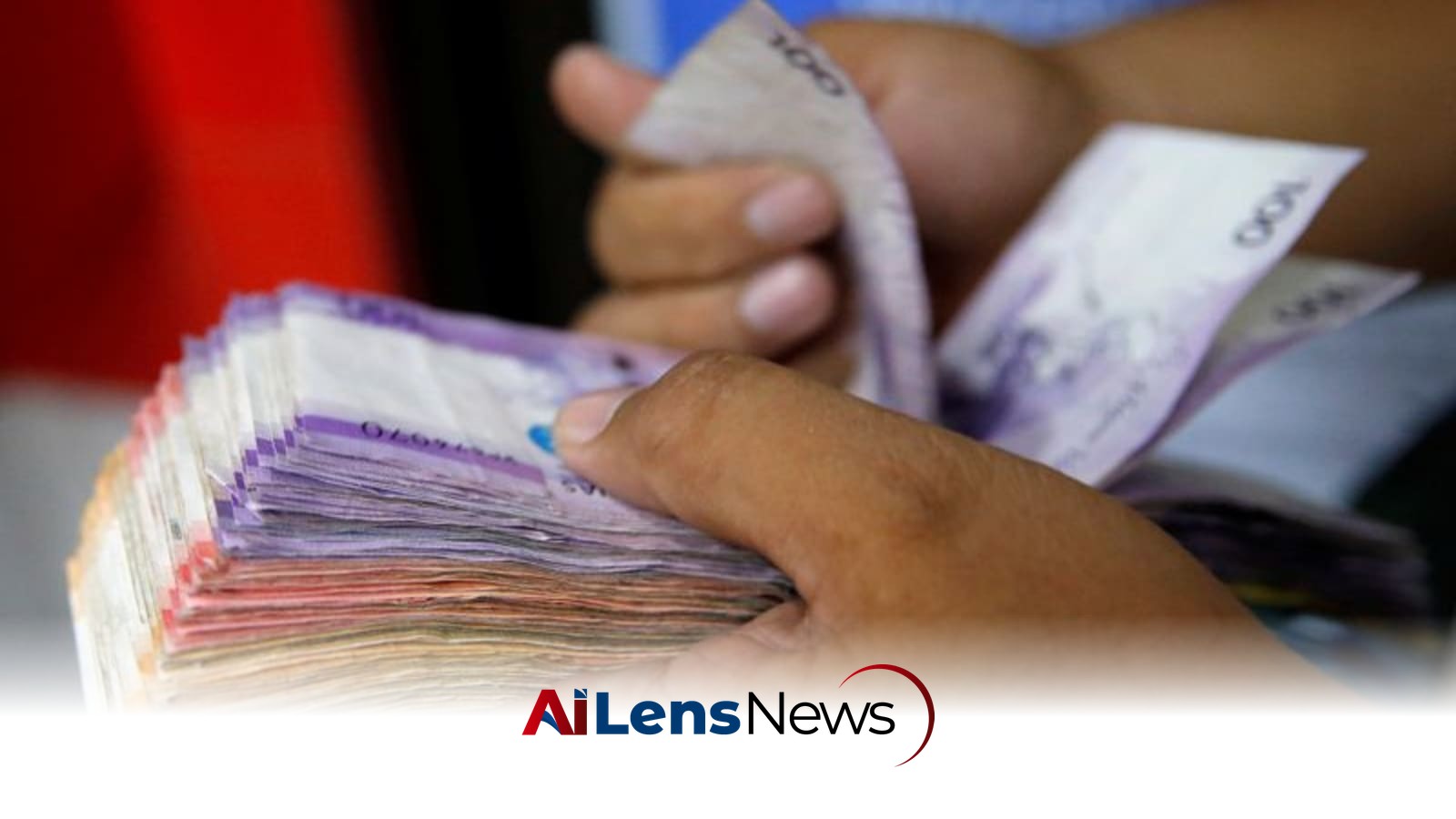


The Philippines successfully raised 420.45 billion pesos (approximately $7.39 billion) from a recent retail treasury bond offering, marking a significant financial milestone.
Singapore, Singapore Sep 5, 2022 ALN: The Philippines has successfully raised 420.45 billion pesos (approximately US$7.39 billion) from a retail treasury bond offering that concluded on September 2, as announced by National Treasurer Rosalia de Leon on Monday, September 5. This significant financial maneuver reflects the government's efforts to bolster its fiscal position and enhance its capacity to fund various development initiatives.
The peso-denominated retail bonds, which are set to mature in 2028, offer a coupon rate of 5.75 percent. This issuance marks the first retail treasury bond offering under the administration of President Ferdinand Marcos Jr., who took office in June 2022. The issuance of these bonds is not merely a financial exercise; it represents a strategic move by the government to engage with individual investors, thereby democratizing access to government securities that were traditionally the domain of institutional investors.
In addition to the new bonds, the offering included a swap option for current holders of existing notes that are set to mature this year and in 2023. This strategy aims to provide liquidity and flexibility for investors, encouraging participation in the bond market. By allowing existing bondholders to exchange their maturing bonds for new ones, the government is effectively providing a safety net for investors, which may help to mitigate the risks associated with rising interest rates and inflationary pressures.
The successful bond issuance reflects strong investor confidence in the Philippine economy, despite ongoing global economic challenges such as inflation, supply chain disruptions, and geopolitical tensions. The government aims to utilize the funds raised to support various infrastructure projects and bolster economic recovery efforts, particularly as the nation continues to navigate the aftermath of the COVID-19 pandemic. These projects are vital for the Philippines, a country that has been striving to improve its infrastructure to foster economic growth and attract foreign investment.
This bond offering is part of the government's broader strategy to tap into the retail market, allowing individual investors to participate in government financing. By offering competitive rates and flexible terms, the government hopes to attract more retail investors, thereby diversifying its funding sources. This is particularly important in a time when traditional funding avenues may be constrained due to global economic conditions.
Historically, the Philippines has relied heavily on foreign investment and loans to fund its infrastructure and development projects. However, the government under President Marcos Jr. has emphasized the need for a more sustainable funding model that includes domestic sources. Engaging retail investors in the bond market is a crucial step in this direction, as it not only provides the government with necessary funds but also encourages a culture of saving and investment among Filipinos.
As the Philippines continues to navigate economic recovery post-pandemic, initiatives like these are crucial in ensuring sustained growth and stability in the financial sector. The bond market serves as a barometer of economic health, and the strong turnout for this retail treasury bond offering indicates that investors are optimistic about the country's economic prospects.
Moreover, the bond issuance aligns with the government's fiscal strategy, which includes a focus on infrastructure development as a means to stimulate economic growth. The funds raised from this bond offering are expected to be allocated to critical projects that can enhance connectivity, improve public services, and ultimately lead to job creation. These projects are essential not only for immediate economic recovery but also for long-term sustainable growth.
In conclusion, the successful raising of US$7.39 billion through this retail treasury bond issue not only highlights the government's proactive approach to financial management but also underscores the resilience of the Philippine economy in attracting investment. As the government continues to implement its economic recovery plan, the participation of retail investors in the bond market will likely play a significant role in the overall financial health of the country. The positive reception of this bond offering could pave the way for future issuances, further solidifying the government's commitment to fostering a robust and inclusive financial environment.
The context surrounding this issuance is critical. The Philippines has faced a myriad of challenges in recent years, including the global COVID-19 pandemic, which severely impacted its economy. The pandemic resulted in a significant contraction in growth, leading to increased unemployment rates and a pressing need for economic stimulus. The government has since been focused on recovery strategies, which include not only infrastructure development but also social services and health care improvements.
Additionally, the bond issuance comes at a time when many countries are grappling with rising inflation and fluctuating interest rates. Central banks worldwide have been adjusting their monetary policies to combat inflationary pressures, and these changes can have direct implications for bond markets. The Philippine government’s decision to offer a competitive coupon rate of 5.75 percent could be seen as a strategic response to attract investors who are seeking stable returns amidst a volatile economic landscape.
The participation of individual investors in government bonds is particularly noteworthy in the Philippines, where the majority of bond investments have historically been dominated by large institutional players. By tapping into the retail market, the government is not only expanding its investor base but also fostering financial literacy and encouraging more Filipinos to consider investment as a viable means of wealth accumulation. This could potentially lead to a more financially savvy populace, which is beneficial for the country's long-term economic health.
Furthermore, the bond offering is part of a broader trend in emerging markets where governments are increasingly looking to local investors to fund their development needs. This shift is essential as it reduces reliance on foreign debt and helps stabilize the domestic economy. By engaging with local investors, governments can create a more resilient financial system that is less susceptible to external shocks.
In summary, the Philippines' successful retail treasury bond issuance is a significant milestone in its fiscal strategy, reflecting both the government's commitment to economic recovery and the growing confidence of local investors. The funds raised are expected to play a pivotal role in financing infrastructure projects that are crucial for the nation’s growth trajectory. As the country moves forward, the continued engagement of retail investors in government securities will likely be a key factor in sustaining economic momentum and achieving long-term development goals.
To learn more about the latest developments in Trade & Commerce, stay updated with our exclusive reports and analyses on AiLensNews.

