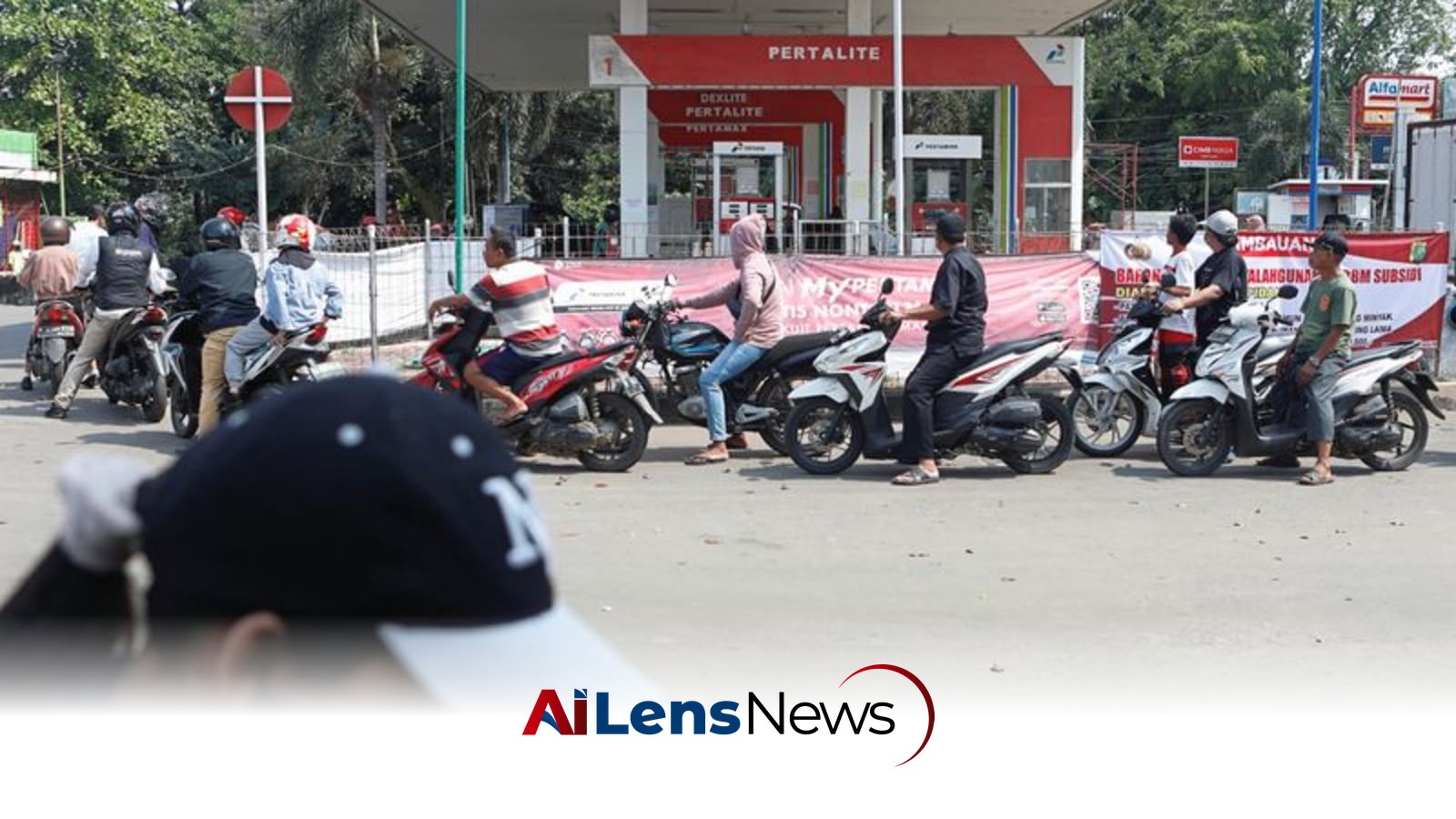


Indonesia anticipates a spike in inflation for September and October after a significant fuel price hike, with expectations of normalization by November.
Singapore, Singapore Sep 5, 2022 ALN: Indonesia's government predicts that inflation will increase in the coming months following its recent decision to raise fuel prices. This measure, announced over the weekend, is expected to have a minimal impact on economic growth, according to officials.
President Joko Widodo implemented a roughly 30 percent increase in subsidized fuel prices on Saturday, a move aimed at curbing a ballooning energy subsidy budget. This decision came after extensive deliberation, as officials were aware of the potential for public protests. The increase in fuel prices represents a significant shift in the government's approach to managing its energy subsidies, which have been a contentious issue in Indonesian politics.
Fuel subsidies in Indonesia have historically been a critical component of the government's economic policy, aimed at keeping energy costs affordable for the general populace. However, the rising global oil prices and the increasing fiscal burden of these subsidies have prompted the government to reassess its strategy. The energy subsidy budget has already been tripled to 502 trillion rupiah (approximately $33.65 billion) from the original 2022 budget. However, even this amount would not suffice if fuel prices remained unchanged, leading to the recent price hike.
Deputy Finance Minister Suahasil Nazara stated in a TV interview with CNBC Indonesia that the price hike will likely lead to higher inflation rates in September and October, but he anticipates that the monthly rate will normalize by November. He explained, "Usually, inflation rises quickly in one or two months, and by the third month, it begins to normalize. We'll keep an eye on this until the end of the year," although he did not provide specific figures. This prediction suggests that while the immediate impact of the fuel price increase may be significant, the government believes that inflationary pressures will stabilize relatively quickly.
The annual inflation rate for August was recorded at 4.69 percent, exceeding Bank Indonesia's target range for the third consecutive month, primarily due to elevated food prices. The increase in inflation is concerning for many households, as it erodes purchasing power and can lead to increased costs of living. The government is maintaining its economic growth forecast within a range of 5.1 percent to 5.4 percent, indicating a belief that the overall economy can withstand the pressures created by the fuel price increase.
Suahasil noted, "Given the fact that price pressures had been building for some time this year even before the fuel effect, the degree of broadening in the price effects will be the key thing to watch now." This statement highlights a critical aspect of the current economic landscape in Indonesia: the interplay between inflation and economic growth. Wellian Wiranto, an economist with OCBC Bank, predicts that inflation could exceed 7 percent in the upcoming months, a forecast that underscores the potential severity of the situation.
Increasing prices may frustrate many Indonesians, especially as their lives were just beginning to return to normal following the economic fallout from the COVID-19 pandemic. The pandemic had already strained the economy, leading to job losses and reduced incomes for many households. In response to the fuel price increase, workers' unions are planning to hold mass protests nationwide on Tuesday. Smaller protests erupted over the weekend in several cities on Sulawesi island, where students burned tires in the streets following the announcement. These protests reflect widespread discontent among the population, particularly among those who feel that the government is not adequately addressing their economic challenges.
President Widodo, often referred to as Jokowi, described the price hike as his "last option" due to mounting fiscal pressures. This indicates the government's recognition of the potential backlash from the public and the difficult choices it faces in balancing fiscal responsibility with the need to maintain public support. The decision to increase fuel prices is a politically sensitive issue, particularly in a country where energy costs are a significant part of household expenses.
Suahasil indicated that even after the recent price increase, the subsidy budget is expected to swell to around 650 trillion rupiah for 2022, with some of this amount being carried over into 2023. This increase in the subsidy budget raises questions about the sustainability of such expenditures and the long-term implications for Indonesia's fiscal health. As the government navigates these challenges, it will need to consider how to balance its budget while also addressing the needs of its citizens.
A survey conducted in mid-August, prior to the price hike, revealed that President Jokowi's approval rating was at its highest in four years, standing at 72.3 percent. However, nearly 60 percent of respondents expressed opposition to any increase in fuel prices. This divergence between the president's approval rating and public sentiment regarding fuel prices illustrates the complexities of governance in Indonesia, where economic policies can have far-reaching social implications.
The situation is further complicated by the global economic environment, which has seen rising energy prices and supply chain disruptions. As Indonesia is a significant consumer of energy, fluctuations in global oil prices can have immediate and profound effects on the domestic economy. The government’s decision to raise fuel prices can be seen as a necessary step to ensure fiscal stability, but it also poses risks in terms of public unrest and economic dissatisfaction.
Looking ahead, the government will need to monitor inflation closely and consider additional measures to support households facing rising costs. This may include targeted relief programs or adjustments to other economic policies to mitigate the impact of rising prices. The balancing act between managing fiscal responsibility and ensuring public welfare will be crucial in the coming months as Indonesia navigates this challenging economic landscape.
As the situation evolves, it will be essential for the government to communicate effectively with the public, explaining the rationale behind its decisions and the expected outcomes. Transparency and engagement with citizens can help to build trust and alleviate some of the frustrations stemming from economic pressures. In a time of rising inflation and public discontent, the Indonesian government faces a critical test of its leadership and commitment to addressing the needs of its people.
($1 = 14,920.0000 rupiah)
To learn more about the latest developments in Inflation & Prices, stay updated with our exclusive reports and analyses on AiLensNews.

