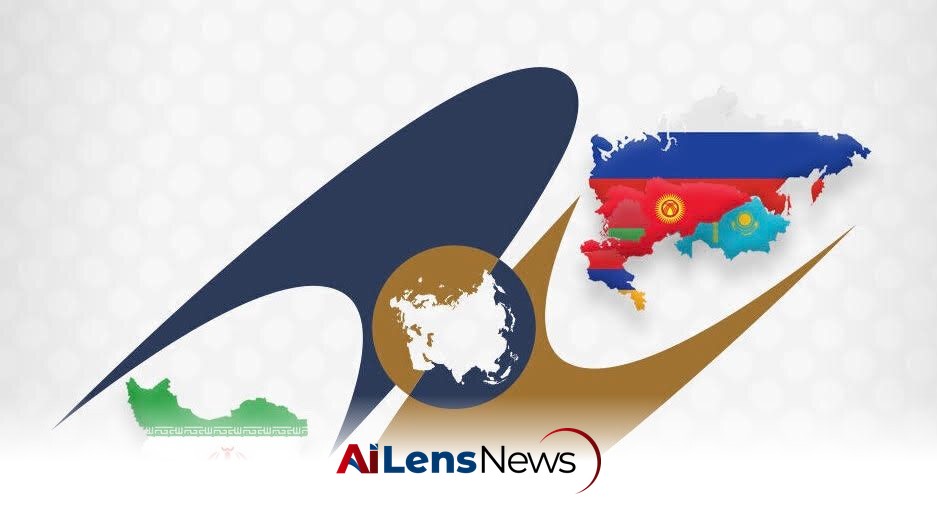


The Head of Iran's TPO emphasizes the need for synergy among executive bodies to effectively implement the Iran-Eurasian Economic Union Free Trade Agreement.
Tehran, Iran Jul 12, 2026 ALN: TEHRAN- The Head of the Iran Trade Promotion Organization (TPO) has emphasized the necessity of synergy among executive bodies for the effective implementation of the Iran-Eurasian Economic Union (EAEU) Free Trade Agreement. This agreement is described as a collaborative project involving all institutions related to trade.
According to a report from the Iran Trade Promotion Organization, Mohammad-Ali Dehghan Dehnavi addressed a cross-agency coordination meeting aimed at implementing the free trade agreement between Iran and the EAEU. He stressed the importance of continuously reviewing the performance of relevant bodies and the challenges associated with the EAEU Free Trade Agreement. He stated that agencies must prepare performance reports, identify implementation obstacles, and develop a two-month action plan for presentation at a meeting scheduled for early Mehr (late September).
Dehghan Dehnavi characterized the EAEU Free Trade Agreement as a joint initiative among all executive bodies involved in trade. He urged for serious follow-up on agreements and negotiations within the framework of joint working groups with the EAEU.
Additionally, the TPO head highlighted the need to accelerate the electronic exchange of trade information, resolve issues related to exporting agricultural goods to EAEU member states, and provide documentation concerning trade challenges for effective follow-up with counterparties.
The meeting also outlined the establishment of joint working groups and specialized committees with the Eurasian side to focus on standards, transportation and transit, customs cooperation, trade in goods, and rules of origin.
The Ministry of Industry, Mining and Trade, particularly the Iran Trade Promotion Organization, is tasked with monitoring the implementation of the Free Trade Agreement. Prior to the agreement's implementation, the organization had already laid the groundwork for better execution through internal coordination meetings, specialized sessions, and awareness-raising events involving executive bodies. This recent meeting was part of ongoing efforts to monitor performance and review upcoming programs related to cooperation with the EAEU and the implementation of the free trade agreement.
Representatives from various organizations, including the Iranian Customs Administration, the National Standards Organization, the Ministry of Agriculture, and the Civil Aviation Organization, attended the meeting. Each representative presented their performance reports, challenges in implementing the agreement, and proposed solutions within their respective areas.
The EAEU, which includes Armenia, Belarus, Kazakhstan, Kyrgyzstan, and Russia, was established to promote economic integration and cooperation among its member states. The Free Trade Agreement between Iran and the EAEU aims to enhance trade relations, reduce tariffs, and facilitate the movement of goods and services across borders. As Iran seeks to diversify its trade partnerships amid ongoing economic sanctions, the EAEU presents a significant opportunity for expanding its market reach.
Historically, Iran has faced numerous challenges in its trade relationships due to international sanctions, particularly those imposed by Western countries. These sanctions have limited Iran's ability to engage in global trade, leading the country to seek alternative partners and markets. The EAEU provides a platform for Iran to engage with neighboring countries and expand its economic ties in a region that has been increasingly important for Iranian trade.
The coordination meeting led by Dehghan Dehnavi underscores the Iranian government's commitment to the successful implementation of the EAEU Free Trade Agreement. By fostering collaboration among various government agencies, Iran aims to address potential barriers to trade and ensure that the benefits of the agreement are fully realized. The emphasis on electronic trade information exchange reflects a broader trend towards digitalization in global trade, which can enhance efficiency and transparency.
Moreover, the focus on agricultural exports indicates a strategic priority for Iran, as the agricultural sector plays a crucial role in the country's economy and employment. By resolving issues related to agricultural exports, Iran can not only boost its trade volume with EAEU member states but also support its domestic agricultural producers.
The establishment of joint working groups and specialized committees is a critical step towards addressing the complexities of international trade. These groups will likely facilitate dialogue between Iranian and EAEU officials, allowing for the sharing of best practices and the resolution of disputes that may arise during the implementation of the Free Trade Agreement.
The meeting also highlights the importance of accountability and performance monitoring among the various agencies involved in trade. By requiring agencies to prepare performance reports and identify challenges, the Iranian government aims to create a culture of transparency and continuous improvement within its trade sector.
As the EAEU Free Trade Agreement moves forward, its success will depend on the ability of Iranian institutions to work together effectively. The commitment to a two-month action plan suggests an urgency to address issues quickly and to ensure that the agreement delivers tangible benefits for Iranian businesses and consumers.
Looking ahead, the implications of the EAEU Free Trade Agreement for Iran could be significant. If successfully implemented, the agreement could lead to increased trade volumes, greater foreign investment, and improved economic conditions for many sectors. However, challenges remain, including navigating the complexities of customs regulations, aligning standards between countries, and managing the logistics of cross-border trade.
In conclusion, the call for coordination among executive bodies by the Head of the Iran Trade Promotion Organization reflects a proactive approach to maximizing the potential of the EAEU Free Trade Agreement. As Iran continues to seek new economic partnerships and opportunities, the successful implementation of this agreement could play a crucial role in shaping the country's trade landscape in the years to come.
To learn more about the latest developments in Trade & Commerce, stay updated with our exclusive reports and analyses on AiLensNews.

