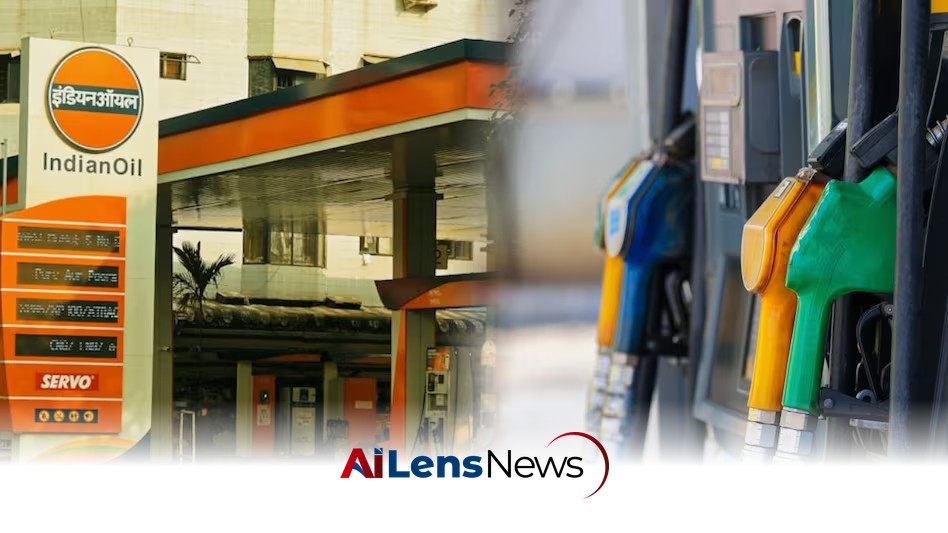


The increased fuel prices in India have pushed Bengaluru petrol over Rs 110. Let’s understand how global crude oil impacts petrol prices and check fuel rates in your city.
New Delhi, India May 25, 2026 ALN: Daily commuting has become a big issue not because of traffic jams but due to expensive fuel prices. If you have stepped outside lately, you must have felt the pinch of the fuel price hike latest news. In this big economic shift, state-owned fuel retailers have implemented the fourth major price revision in just ten days, breaking a prolonged price freeze and triggering widespread inflation anxieties.
The primary reason behind this sudden fuel price increase in India is far beyond domestic borders. Recent US-Israeli strikes on Iran and severe shipping disruptions in the Strait of Hormuz have shaken the energy markets. This instability shows the direct impact of crude oil on petrol prices, as global crude costs surged by over 50% since late February. The geopolitical tensions in the Middle East, particularly involving Iran, have historically had a profound impact on oil prices due to the region's significant contribution to global oil supply.
Moreover, the Strait of Hormuz is a critical chokepoint through which a significant percentage of the world's oil supply is transported. Any disruptions or military conflicts in this area can lead to immediate spikes in crude oil prices, which in turn affect the prices of refined products like petrol and diesel. In addition to geopolitical factors, the ongoing global economic recovery from the COVID-19 pandemic has led to increased demand for energy, further straining supply chains and contributing to rising prices.
Furthermore, the Organization of the Petroleum Exporting Countries (OPEC) has been adjusting its production levels in response to these geopolitical tensions and the recovering demand. OPEC's decisions can significantly influence global oil prices, and any cuts in production can exacerbate the situation, leading to further price hikes. As countries around the world recover from the pandemic, the demand for oil has surged, but the supply has struggled to keep pace.
Local taxes continue to drive sharp differences in fuel prices across India, but no major metro has escaped the surge in diesel and petrol rates. Bengaluru, which is a tech hub, is facing some of the steepest hikes, with petrol officially crossing the ₹110 mark. Delhi petrol now costs ₹102.12 per litre, while Mumbai residents are paying a hefty ₹111.21 per litre. Kolkata currently leads the metro pack at ₹113.51 per litre, closely followed by Chennai at ₹107.77 per litre. These prices reflect not only the cost of crude oil but also the impact of state and central government taxes, which can account for a significant portion of the final retail price.
The Indian government imposes high excise duties on fuel, which has been a contentious issue among citizens and politicians alike. Many states also levy their own taxes, which can vary widely, leading to the stark differences in fuel prices across the country. For instance, states like Maharashtra and West Bengal, which have higher tax rates, tend to have some of the highest fuel prices in the country. Conversely, states with lower taxes, such as Goa, often see more manageable fuel prices. This disparity can create significant challenges for residents in high-tax states, as they face higher costs for transportation and goods.
Moreover, the fuel pricing mechanism in India is a complex interplay of international crude prices, domestic taxes, and government policies. The recent price hikes have reignited discussions about the need for a more transparent pricing system that could potentially cushion consumers from the volatility of global oil markets. As the government grapples with these challenges, the public's demand for clarity and accountability in fuel pricing continues to grow.
This wave of petrol price hikes in India is already developing fears of higher transportation costs, which inevitably trickle down into the prices of everyday essential goods. When fuel prices rise, logistics and transportation companies face increased operational costs, which they often pass on to consumers. This can lead to inflation in various sectors, including food and household goods, affecting the overall cost of living for the average citizen.
Moreover, rising fuel prices can also impact the broader economy in several ways. For one, they can reduce disposable income as families allocate more of their budget to fuel costs, which in turn can dampen consumer spending on other goods and services. This reduction in spending can slow economic growth, creating a feedback loop that further exacerbates inflationary pressures. The ripple effects of high fuel prices can be felt in various sectors, from agriculture to manufacturing, as the cost of transporting goods rises.
Additionally, businesses that rely heavily on transportation may be forced to reconsider their operational strategies. Some may opt to absorb the costs, while others might pass them on to consumers, leading to a potential decrease in demand for non-essential goods. This could result in a slowdown in certain sectors of the economy, raising concerns about job security and overall economic stability. The interplay between fuel prices and economic health is a critical area of focus for policymakers and economists alike.
As the political debate heats up over tax relief, keeping an eye on petrol price news will be crucial for every citizen's budget. Politicians across various parties have begun to voice their concerns about the rising fuel prices, with calls for the government to reconsider its taxation policies on fuel. Some opposition leaders have argued that the government should reduce excise duties to provide immediate relief to consumers. However, the government has been cautious, weighing the need for revenue against the potential backlash from rising public discontent.
Public sentiment surrounding fuel price hikes can be volatile. Prolonged periods of high fuel prices can lead to protests and political unrest, as seen in the past when citizens took to the streets to express their dissatisfaction with rising costs. The government must navigate these challenges carefully, as any misstep could lead to a loss of public trust and support. Additionally, the political ramifications of fuel price hikes can extend beyond immediate public sentiment, influencing upcoming elections and party popularity.
Furthermore, the government’s response to rising fuel prices can also set a precedent for future policies. If the government opts for tax cuts or subsidies in response to public outcry, it may be seen as a reactive measure rather than a proactive approach to energy management. This can lead to questions about long-term energy strategies and the government's commitment to addressing the underlying issues that contribute to fluctuating fuel prices.
Looking ahead, the future of fuel prices in India remains uncertain. Analysts suggest that the global oil market will continue to be influenced by geopolitical tensions, particularly in the Middle East, as well as by the ongoing recovery from the pandemic. Additionally, fluctuations in the value of the Indian Rupee against the US Dollar can also impact fuel prices, as crude oil is typically traded in dollars. The interplay between currency fluctuations and oil prices is a critical factor that policymakers must monitor closely.
Furthermore, the Indian government is under pressure to explore alternative energy sources and promote electric vehicles as a long-term solution to reduce dependence on fossil fuels. Initiatives aimed at boosting renewable energy and improving public transportation can play a significant role in addressing the challenges posed by rising fuel prices. As the world moves towards a more sustainable future, India’s energy policies will need to adapt to changing global dynamics and domestic needs.
In conclusion, the recent surge in petrol and diesel prices across India is a complex issue influenced by global events, local taxation policies, and economic conditions. As citizens brace for the implications of these price hikes, the government's response and the broader economic landscape will be crucial in shaping the future of fuel prices and their impact on everyday life. The ongoing dialogue around energy policy, taxation, and economic stability will be vital as India navigates these turbulent times.
To learn more about the latest developments in Inflation & Prices, stay updated with our exclusive reports and analyses on AiLensNews.

