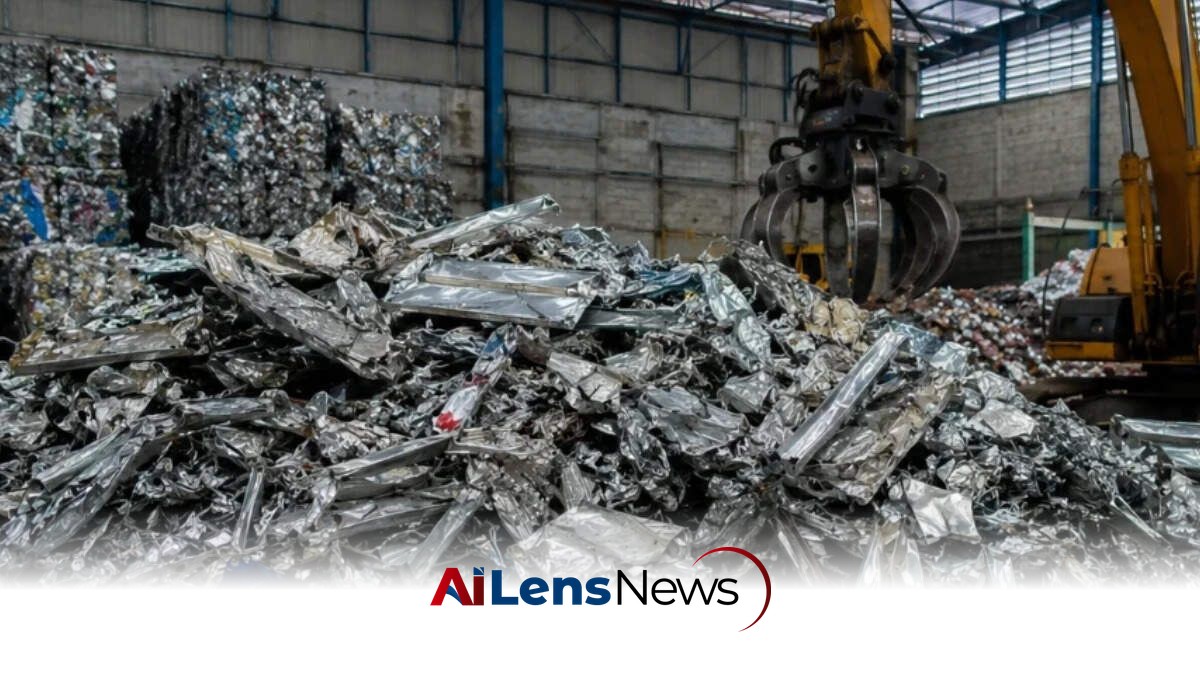


The Material Recycling Association of India urges the government to eliminate the 2.5% duty on aluminium scrap, aiming to lower costs and enhance competitiveness.
New Delhi, India Jul 12, 2026 ALN: New Delhi: The recycling industry is advocating for the removal of the 2.5% duty on aluminium scrap, a move that could significantly bolster the circular in India. The Material Recycling Association of India (MRAI) emphasizes that abolishing this duty will reduce input costs for recyclers and downstream manufacturers, allowing them to compete more effectively on a global scale.
The MRAI pointed out that India currently relies heavily on imported aluminium scrap to meet its industrial demands, with imports accounting for approximately 80-85% of the country's requirements. In a letter addressed to the Prime Minister's Office (PMO), the association highlighted the necessity of uninterrupted access to imported scrap to sustain domestic manufacturing and foster growth within the recycling industry.
According to MRAI, the secondary aluminium production in India has seen remarkable growth, increasing from 0.85 million tonnes in FY16 to nearly 2.2 million tonnes projected for FY26. This sector now constitutes around 35% of the country’s total aluminium consumption. The industry supports approximately seven lakh jobs, with women making up nearly 46% of the skilled workforce involved in sorting, segregation, and processing.
The growth of the secondary aluminium production sector is particularly noteworthy in a country like India, where the demand for aluminium is on the rise due to its applications in various industries, including automotive, aerospace, construction, and packaging. Aluminium is prized for its lightweight and durable properties, making it an essential material as industries move towards more sustainable practices. The recycling of aluminium not only conserves raw materials but also reduces energy consumption by up to 95% compared to primary production.
This significant reduction in energy consumption is crucial in a country like India, where energy resources are often limited and the demand for energy continues to grow. By encouraging the recycling of aluminium, India can not only meet its industrial needs but also contribute to a decrease in overall energy consumption, thereby supporting national efforts to improve energy efficiency and reduce dependency on fossil fuels.
MRAI President Sanjay Mehta stated, "Removing the 2.5% Basic Customs Duty on aluminium scrap will strengthen thousands of MSMEs, generate employment, improve resource security, enhance the competitiveness of downstream manufacturing, and support the circular ." He urged that aluminium scrap be recognized as a strategic industrial raw material rather than being treated as waste.
By removing this duty, the government would not only support the recycling sector but also align with global sustainability goals. The circular is predicated on the principle of reusing resources to minimize waste, and facilitating easier access to aluminium scrap is a crucial step in this direction. The removal of the duty could lead to lower prices for recycled aluminium, which would encourage more manufacturers to use recycled materials in their processes.
Furthermore, the reduction in costs for recyclers may lead to increased investments in technology and innovation within the sector. As recyclers find themselves with more resources, they may be able to invest in advanced recycling technologies that enhance efficiency, improve product quality, and reduce environmental impact.
The association also noted that aluminium scrap is the only major base metal scrap still subject to import duty in India. In contrast, countries like Thailand, Malaysia, Indonesia, Japan, and South Korea allow duty-free imports of aluminium scrap, providing their recycling industries with a significant cost advantage. This disparity puts Indian recyclers at a competitive disadvantage in the global market.
For instance, in countries with duty-free imports, the cost of acquiring aluminium scrap is significantly lower, allowing recyclers to offer more competitive pricing for their products. This price advantage can translate into increased market share and profitability for businesses in those regions, while Indian recyclers struggle to compete under the current duty structure. Moreover, the global market for recycled aluminium is expanding, and Indian companies risk losing out on lucrative export opportunities if they are unable to compete effectively.
The competitive landscape for aluminium recycling is intensifying globally, with countries increasingly recognizing the and environmental benefits of recycling. As such, India must adapt to these global trends to ensure that its recycling industry remains viable and competitive.
The environmental implications of promoting the recycling sector through the removal of the duty on aluminium scrap are substantial. Recycling aluminium reduces the need for mining and processing of virgin materials, which are energy-intensive and environmentally damaging processes. By facilitating a more robust recycling industry, India can significantly decrease its carbon footprint and contribute to global efforts to combat climate change.
Additionally, a thriving recycling sector can lead to a reduction in landfill waste, as more aluminium products are diverted from waste streams and reprocessed into new products. This aligns with the government’s initiatives aimed at improving waste management and promoting sustainable practices across various sectors. Effective recycling can also play a role in reducing pollution associated with waste disposal, thus contributing to cleaner air and water.
As the world grapples with the pressing issues of climate change and resource depletion, the importance of recycling becomes increasingly clear. By enhancing the recycling sector, India has the potential to set a precedent for other developing nations, showcasing how sustainable practices can be integrated into growth strategies.
While the MRAI's call for the removal of the 2.5% duty is a step in the right direction, several challenges remain. The government must consider the broader implications of such a policy change, including potential revenue loss from customs duties. Policymakers will need to weigh the long-term benefits of a strengthened recycling sector against short-term fiscal impacts.
Moreover, there is a need for improved infrastructure and technology within the recycling sector to ensure that the benefits of duty removal are fully realized. Investment in modern recycling facilities, training for workers, and the development of efficient supply chains are essential components of a successful strategy to boost the recycling industry. The government may need to consider providing incentives for investment in these areas to ensure that the recycling sector can fully capitalize on the benefits of duty removal.
Additionally, raising awareness about the importance of recycling and the benefits of using recycled materials among manufacturers and consumers is crucial. Education campaigns could play a vital role in changing perceptions about recycled materials, thereby increasing demand and encouraging more businesses to adopt sustainable practices.
The MRAI's call for the removal of the 2.5% duty on aluminium scrap highlights the urgent need for policy changes that support the growth of the recycling industry in India. By eliminating this duty, the government can help lower costs for manufacturers and recyclers, ultimately promoting a more sustainable and competitive environment. As India continues to navigate the complexities of its growth, embracing a robust recycling sector could play a pivotal role in achieving both and environmental goals.
To learn more about the latest developments in Trade & Commerce, stay updated with our exclusive reports and analyses on AiLensNews.

