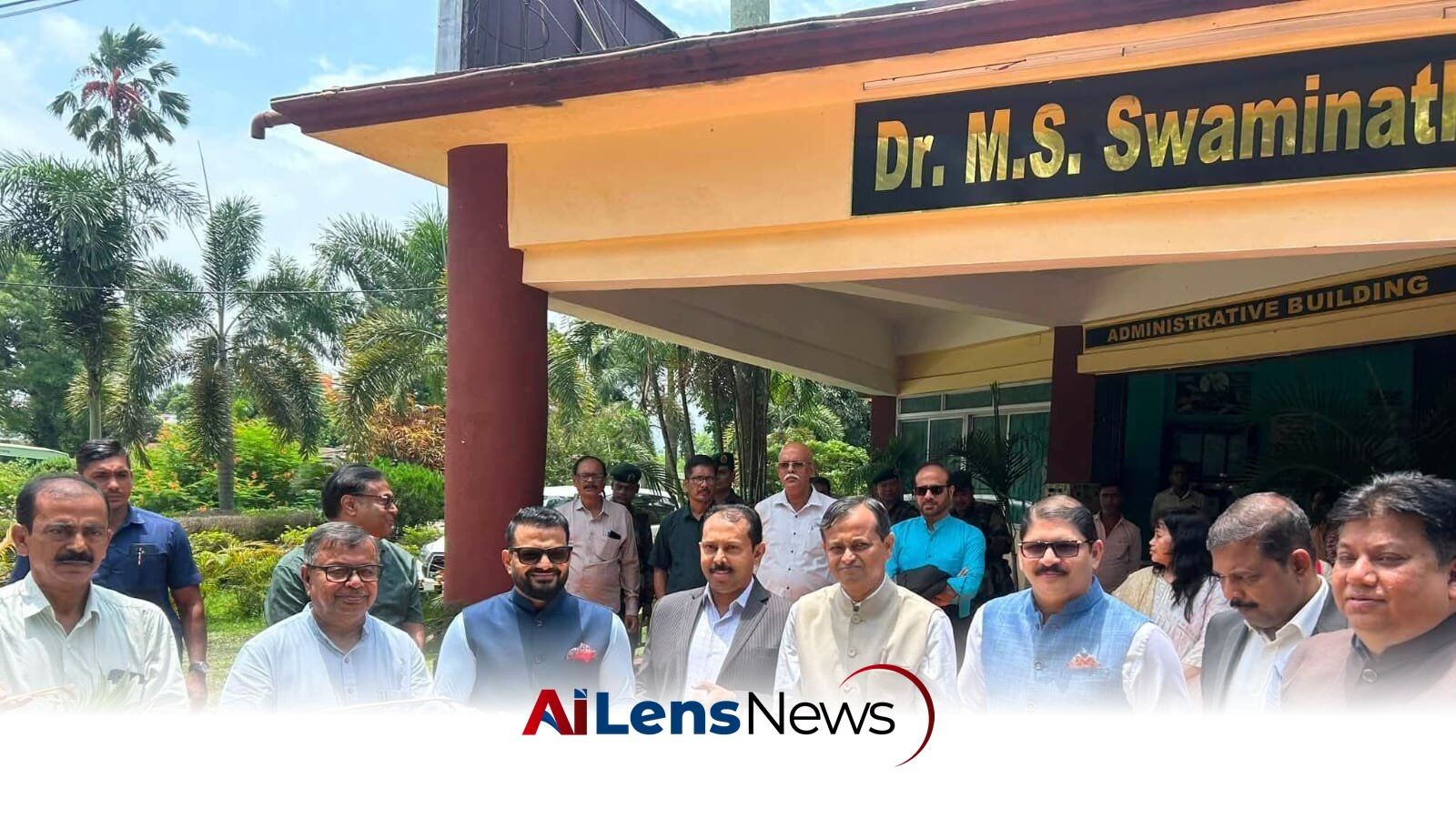


Tripura's latest export of organic lemons, rice, and pineapples to Dubai marks a significant step in boosting its agricultural market presence.
Imphal, India Jul 12, 2026 ALN: Tripura has exported another consignment of organic agricultural produce to Dubai, reinforcing the State's efforts to expand the global footprint of its farm products and create better market opportunities for local farmers.
Agriculture and Farmers' Welfare Minister Ratan Lal Nath flagged off the export consignment on Saturday. The products will be marketed across Gulf countries through Lulu Retail, one of the largest retail chains in the Gulf Cooperation Council (GCC).
The consignment comprises 1,300 organic scented lemons, 182 kg of organic Kalikhasa aromatic rice, and 350 Queen pineapples sourced from farmer producer companies across the State.
According to the minister, the organic scented lemons were supplied by the Baramura Farmer Producer Company in Khowai district, the Kalikhasa aromatic rice was procured from the Trishna Farmer Producer Company in South Tripura district, while the Queen pineapples were sourced from the Khabaksa Farmer Producer Company in Gomati district.
Describing the export as a matter of pride for Tripura, Nath said the inclusion of the State's organic produce in Lulu Retail's international supply chain reflects the growing global demand for its high-quality agricultural products.
"This achievement is a testimony to the dedication of our farmers and the consistent efforts of our farmer producer companies in producing premium-quality organic crops. It will further strengthen Tripura's identity as a reliable exporter of organic produce," he said.
The minister noted that the latest shipment follows the recent export of 10,000 kg of organic dried bird's eye chilli to Germany, describing it as another milestone in the State's expanding agricultural export journey.
He said the State government is actively promoting organic farming by focusing on value addition, quality certification, branding, and stronger market linkages to enhance the export potential of its agricultural produce.
This recent export is not just a singular event but part of a broader strategy that Tripura has employed to enhance its agricultural sector's viability and sustainability. Over the past few years, the state has made significant strides in organic farming, with a focus on sustainable practices that benefit both the environment and the local economy. The government has been encouraging farmers to adopt organic methods, which not only improve soil health but also lead to better market prices for their produce.
The rise in demand for organic products globally has provided Tripura with a unique opportunity to position itself as a key player in the organic farming sector. The Gulf region, in particular, has seen a surge in the consumption of organic food, driven by a growing awareness of health and wellness among consumers. This trend has opened up lucrative markets for states like Tripura, which can provide high-quality organic products.
The collaboration with Lulu Retail is particularly significant as it represents a successful partnership between local farmers and international retail giants. Lulu Retail, known for its commitment to sourcing high-quality products, has a vast network of stores across the Gulf Cooperation Council countries. By partnering with such a prominent retailer, Tripura's agricultural products gain access to a wider audience, which is essential for the state's economic growth.
In addition to exporting lemons, rice, and pineapples, Tripura has been diversifying its agricultural exports to include a variety of other organic products. The previous shipment of 10,000 kg of organic dried bird's eye chilli to Germany highlights the state's potential to tap into diverse markets. This diversification is crucial for mitigating risks associated with reliance on a limited range of products and markets.
Moreover, the role of farmer producer companies (FPCs) cannot be overstated in this context. These organizations, formed by groups of farmers, play a critical role in aggregating produce, ensuring quality control, and facilitating access to larger markets. By working collectively, farmers can negotiate better prices and improve their bargaining power in the market. The state government has been actively supporting the formation and strengthening of FPCs, recognizing their importance in enhancing the livelihoods of farmers.
The government's initiatives to promote organic farming also include training programs for farmers, providing them with the necessary skills and knowledge to adopt organic practices effectively. These programs often cover various aspects of organic farming, including pest management, soil health, and post-harvest handling. By equipping farmers with these skills, the government aims to boost productivity while ensuring sustainability.
Furthermore, the emphasis on quality certification is vital for gaining access to international markets. Products that meet specific organic standards are more likely to be accepted by foreign buyers. The state has been working towards obtaining necessary certifications for its organic produce, which is a crucial step in establishing credibility and trust with international consumers.
Branding is another aspect that the government is focusing on to enhance the visibility of Tripura's organic products. By creating a strong brand identity, the state aims to differentiate its products in the competitive global market. Effective branding can help consumers recognize and prefer Tripura's organic offerings over others, thus driving sales and increasing revenue for local farmers.
In conclusion, the recent export of organic lemons, rice, and pineapples to Dubai marks a significant achievement for Tripura's agricultural sector. It not only highlights the state's commitment to promoting organic farming but also showcases the potential for local farmers to access international markets. Through continued efforts in quality certification, branding, and market linkages, Tripura is well on its way to establishing itself as a reliable exporter of organic agricultural produce, contributing to the economic development of the region and improving the livelihoods of its farmers.
To learn more about the latest developments in Trade & Commerce, stay updated with our exclusive reports and analyses on AiLensNews.

