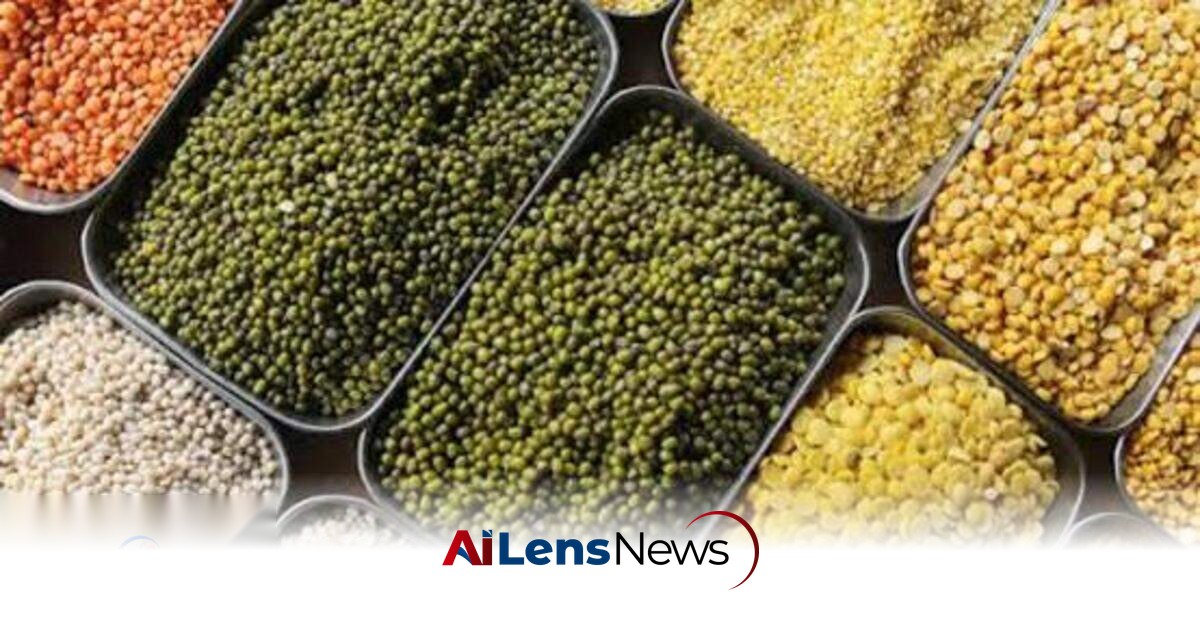


Pulse prices are set to remain steady until December, defying concerns over delayed sowing and rainfall. Ample government reserves and strong output from key exporting nations ensure sufficient supply.
New Delhi, India Jul 3, 2026 ALN: Prices of pulses are expected to remain stable until December despite concerns over below-normal rainfall and delays in kharif sowing. Ample government buffer stocks and higher output in key exporting countries are likely to keep supplies comfortable, industry experts said. The stability of pulse prices is critical for both consumers and producers in India, where pulses are a staple source of protein for a large portion of the population.
The kharif season, which typically runs from June to September, is crucial for the sowing of various crops, including pulses. The current concerns regarding below-normal rainfall could impact the sowing and, subsequently, the yield of pulse crops. However, the presence of sufficient buffer stocks can mitigate the potential negative effects of these climatic challenges. Buffer stocks are essentially reserves of food grains maintained by the government to ensure food security and stabilize market prices during periods of shortage.
Weak demand since March has also kept prices subdued, according to processors, traders, and importers. The demand for pulses can fluctuate based on various factors, including consumer preferences, market prices, and the availability of alternative protein sources. "While prices of most domestically grown pulses are still ruling below the minimum support price (MSP), production has been good across key import origins such as Africa, Myanmar, and Brazil, ensuring adequate supplies for India," said Bimal Kothari, president of the Indian Pulses and Grains Association (IPGA). The MSP is a government-set price at which it purchases pulses from farmers to ensure they receive a fair return on their crops. When market prices fall below the MSP, it can lead to financial stress for farmers, prompting government intervention to stabilize the market.
India's total pulses imports fell 17% to 6 million tonnes in FY26. The country depends heavily on imports to meet its domestic demand, particularly from regions known for their pulse production. Africa and Myanmar are significant sources for tur (pigeon peas), while urad (black gram) is primarily sourced from Myanmar and Brazil. During FY26, India imported over 1.48 million tonnes of tur, including more than 1.11 million tonnes from Africa. Of the 781,000 tonnes of urad imported, about 540,000 tonnes came from Myanmar. This reliance on imports underscores the importance of international trade agreements and relationships, as fluctuations in global markets can directly impact local prices and availability.
Trade experts said robust government stocks would help ensure adequate supplies through December. The government plays a pivotal role in stabilizing prices through its procurement policies and buffer stock management. To support farmers, the Centre had assured 100% procurement of tur, urad, and masoor, boosting buffer stocks. This assurance is particularly important in of uncertainty, as it provides farmers with a safety net against market volatility. The government currently holds about 4.3 million tonnes of pulses from last year's kharif and rabi crops, nearly double the level a year ago. This increase in buffer stocks indicates proactive measures taken by the government to secure food supplies and stabilize prices in the face of potential challenges.
Last month, the government also announced procurement of summer moong and urad from Uttar Pradesh, Tamil Nadu, Gujarat, and Haryana. This procurement initiative is part of a broader strategy to ensure that farmers are incentivized to continue producing pulses, thereby maintaining a steady supply in the domestic market. The procurement not only helps in stabilizing prices but also encourages farmers to invest in pulse cultivation, which is often seen as less lucrative compared to other crops.
The implications of stable pulse prices are multifaceted. For consumers, stable prices mean that the cost of living remains manageable, especially for low-income households that rely heavily on pulses as a primary source of nutrition. Pulses are not only a significant source of protein but also provide essential vitamins and minerals, making them a crucial component of the Indian diet. For farmers, assured prices through MSP and government procurement can lead to greater financial security and encourage investment in agricultural practices. Additionally, a stable supply of pulses is essential for food security in India, given the country's large population and diverse dietary needs.
Looking ahead, the dynamics of pulse prices will continue to be influenced by various factors, including weather patterns, global market trends, and domestic demand. The government's ability to manage buffer stocks effectively will play a crucial role in ensuring that the pulse market remains stable. Furthermore, as climate change continues to impact agricultural productivity, the importance of sustainable farming practices and resilient crop varieties will become increasingly vital in maintaining pulse production levels. This is particularly relevant in the context of India, where a significant portion of the population relies on agriculture for their livelihoods, and where erratic weather patterns can have devastating effects on crop yields.
In conclusion, while there are challenges on the horizon related to rainfall and sowing delays, the combination of strong government intervention, adequate buffer stocks, and favorable international supply conditions is expected to keep pulse prices steady. Stakeholders across the agricultural value chain, from farmers to consumers, will be watching these developments closely as they unfold in the coming months. The ongoing situation will require careful monitoring and responsive policy measures to ensure that both producers and consumers can navigate the complexities of the pulse market effectively. As India continues to grapple with the dual challenges of food security and agricultural sustainability, the management of pulse prices will remain a critical area of focus for policymakers and industry leaders alike.
To learn more about the latest developments in Inflation & Prices, stay updated with our exclusive reports and analyses on AiLensNews.

