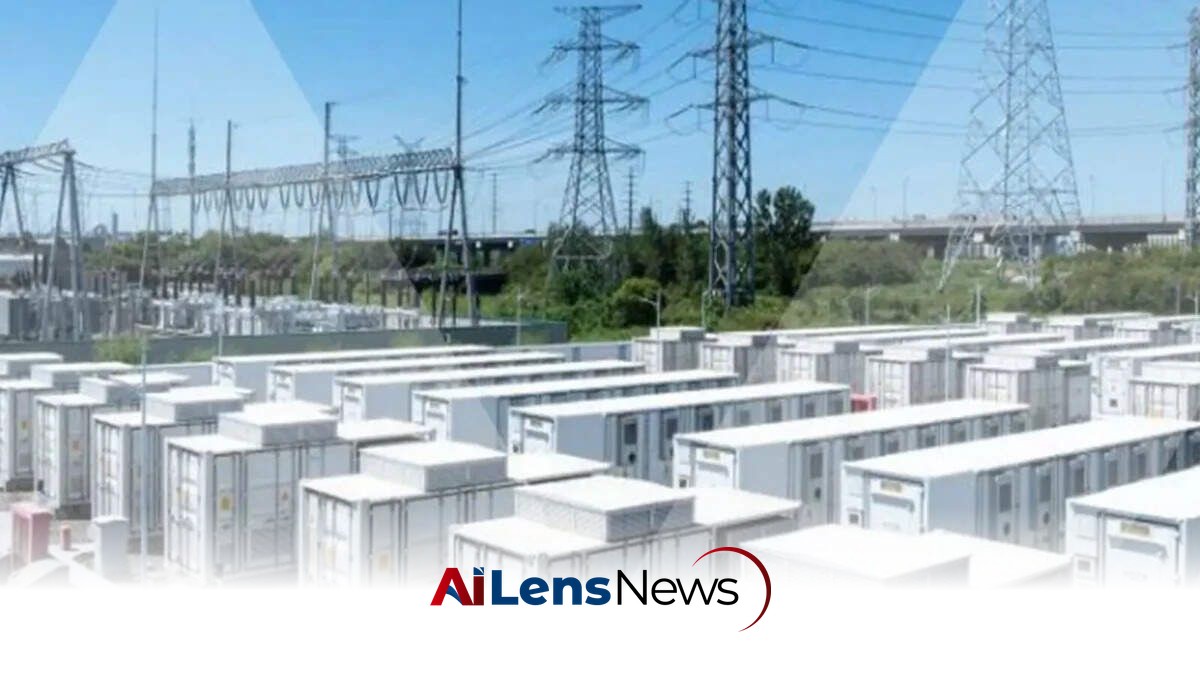


India's Advisory Council emphasizes the need for enhanced grid-scale battery storage to manage electricity availability and flexibility amid rising solar energy.
New Delhi, India Jul 8, 2026 ALN: New Delhi: A working paper by the Advisory Council to the Prime Minister (EAC-PM) has called for a rapid scaling up of grid-scale battery storage, underlining that India's biggest electricity challenge has shifted from generating enough power to managing its time of availability and flexibility. This shift in focus is crucial as the country continues to navigate its energy transition, moving from traditional fossil fuels to renewable energy sources, particularly solar power.
India's energy landscape has been undergoing a significant transformation in recent years, driven largely by government initiatives aimed at increasing the share of renewable energy in the overall energy mix. With ambitious targets set for solar power generation, the country has seen a remarkable rise in installed solar capacity. As of May, India's existing installed solar capacity stood at approximately 157 GW, predominantly contracted through standard power purchase agreements. These agreements typically stipulate that generators supply power only when it is produced, which does not accommodate the variability inherent in solar energy generation. This growing reliance on solar power has brought to the forefront the need for a robust energy storage infrastructure that can effectively manage the intermittency of renewable energy sources.
The paper, authored by EAC-PM member Sanjeev Sanyal and the council's joint director Satvik Dev, highlights the challenges posed by the increasing penetration of solar energy into the Indian power grid. As solar energy generation rises, it creates a unique set of operational challenges for grid management. While solar energy effectively meets a significant portion of midday energy demand, it simultaneously forces conventional power plants, especially thermal plants, to adjust their output more dramatically to accommodate fluctuations in net load. This dynamic can lead to inefficiencies and increased operational costs for these plants, as they are required to ramp up or down their generation based on the variable solar output.
One of the key indicators of this evolving landscape is the widening gap between electricity prices during solar and non-solar hours. Data from the Indian Energy Exchange's day-ahead market illustrates this point starkly: power prices averaged Rs 1.11 per unit around midday in May but surged to Rs 9.71 per unit during the evening hours. This price disparity not only reflects the changing supply-demand dynamics but also underscores the urgent need for a more flexible and responsive energy system that can adapt to varying generation patterns. The ability to store excess energy generated during the day and release it during peak demand hours would help mitigate these price fluctuations and enhance overall grid stability.
Moreover, the report notes that solar generation that the grid could not absorb averaged 24 GWh per day in May, which is more than a quarter of Delhi's average daily electricity consumption. This surplus generation, which cannot be utilized, represents a significant waste of potential energy that could otherwise contribute to meeting evening demand. The report posits that one of the most effective solutions to this problem is to implement large-scale battery storage systems that can store surplus solar power generated during the day and discharge it during peak evening hours when demand is at its highest. By harnessing this excess energy, the country could significantly improve energy efficiency and reduce reliance on fossil fuel-based power plants during peak periods.
In addition to advocating for enhanced storage capabilities, the report also welcomes provisions in the draft Electricity (Amendment) Bill, 2025, and the draft Electricity (Rights of Consumers) Amendment Rules, 2026. These legislative proposals aim to formally recognize energy storage as an integral component of the power system. By doing so, they seek to strengthen non-fossil purchase obligations, promote demand-response mechanisms, and introduce time-bound implementation of time-of-day tariffs. Such measures are designed to encourage consumers to shift their electricity consumption patterns towards solar generation hours, thereby alleviating some of the pressure on the grid. Encouraging consumers to utilize electricity during the day when solar generation is at its peak can help balance demand and supply more effectively.
However, the report issues a cautionary note: expanding solar capacity without corresponding investments in storage and other measures to smooth demand could exacerbate stress on the electricity grid, even as renewable energy capacity continues to grow. As the country pushes forward with its renewable energy agenda, it must also prioritize investments in energy storage technologies. This is not only essential for achieving energy security but also for ensuring the reliability and stability of the grid as it integrates a higher proportion of renewable energy sources.
The increasing penetration of solar energy has led to a rise in midday curtailment, where solar generation is limited to maintain grid stability, while the evening peak demand remains unserved. This situation raises questions about the viability of the current energy market structure and whether it can effectively support the transition to a more renewable-based energy system. The paper suggests that there may be a case for establishing an enabling framework that allows willing generators and distribution companies (discoms) to convert existing solar contracts into contracts for storage-backed supply that extends into the evening hours. Such a framework could facilitate a more reliable and consistent energy supply, especially during peak demand periods.
The implications of these findings are significant for India's energy policy and infrastructure development. As the country continues to expand its renewable energy capacity, particularly solar, it must also prioritize investments in energy storage technologies. This is not only essential for achieving energy security but also for ensuring the reliability and stability of the grid as it integrates a higher proportion of renewable energy sources. The integration of battery storage into the energy ecosystem can help mitigate the challenges posed by the intermittency of solar generation and improve the overall efficiency of the power sector.
Furthermore, the transition to a more flexible and responsive energy system will require collaboration among various stakeholders, including government agencies, private sector players, and consumers. Policymakers will need to create a regulatory environment that encourages innovation and investment in battery storage technologies while also addressing the financial and operational challenges faced by discoms. This collaborative approach will be crucial in developing a sustainable energy framework that not only meets current demand but is also resilient to future challenges.
In conclusion, the call for rapid scaling up of grid-scale battery storage by the Advisory Council to the Prime Minister reflects a critical recognition of the changing dynamics in India's electricity sector. As the country seeks to enhance its energy resilience and transition towards a sustainable energy future, addressing the challenges of energy storage and grid management will be paramount. The recommendations outlined in the working paper provide a roadmap for navigating this transition, emphasizing the importance of integrating storage solutions into the broader energy strategy to ensure that the benefits of renewable energy can be fully realized. The success of this transition will ultimately depend on the collective efforts of all stakeholders involved in the energy sector, as well as the commitment to fostering an environment conducive to innovation and growth.
To learn more about the latest developments in Development Economics, stay updated with our exclusive reports and analyses on AiLensNews.

