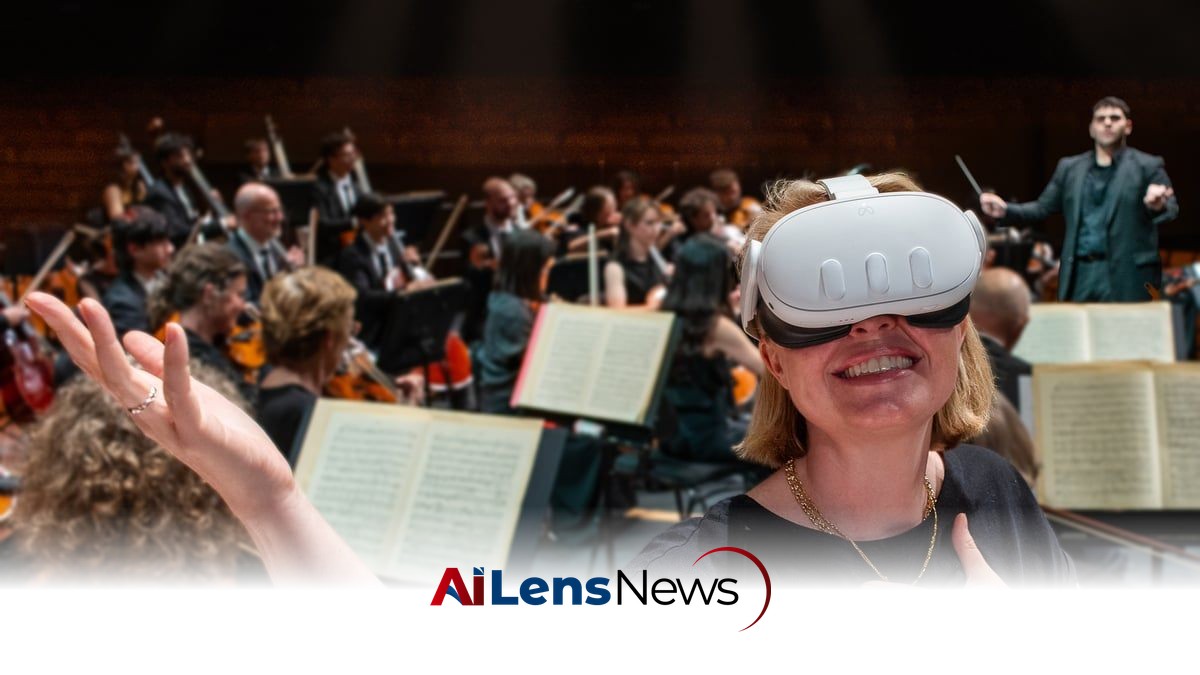


Discover how the Melbourne Symphony Orchestra is transforming music performance through virtual reality, allowing audiences to feel immersed in the experience.
London, United Kingdom Jul 21, 2026 ALN: The Melbourne Symphony Orchestra (MSO) is at the forefront of a transformative movement in music engagement by pioneering the use of virtual reality (VR) technology. This innovative approach allows audiences to immerse themselves in the musical experience, effectively placing them within the orchestra. The integration of VR into classical music performances represents a significant evolution in how audiences can engage with live music, effectively breaking down traditional barriers that often separate musicians from their audiences.
“People have been shocked at how real it felt,” shared an enthusiastic participant, underscoring the emotional connection that VR can cultivate between musicians and audiences. The sense of presence that VR technology provides is particularly compelling, allowing individuals not only to observe but to feel as if they are active participants in the musical experience. This emotional resonance is crucial in the realm of classical music, where the subtleties of performance can evoke profound feelings and memories.
Through advanced VR technology, the MSO offers a unique opportunity for music lovers to step into the concert hall from the comfort of their homes. Users can don VR headsets and find themselves surrounded by the orchestra, experiencing the performance as if they were physically present. This virtual experience is crafted with meticulous attention to detail, ensuring that the spatial audio and visual elements create a realistic and captivating environment. The ability to look around and see the musicians in action, as well as the conductor leading the performance, adds layers of engagement that traditional broadcasts simply cannot match.
The MSO has partnered with technology firms to develop this VR experience, utilizing state-of-the-art equipment to capture live performances in high fidelity. By integrating 360-degree cameras and spatial audio technology, the orchestra is able to recreate the concert hall atmosphere, allowing users to experience the nuances of sound as they would in a live setting. This level of detail not only enhances the enjoyment of the music but also serves an educational purpose, informing audiences about the intricacies of orchestral performance.
This initiative significantly enhances accessibility for those who may not be able to attend live performances due to geographical or physical constraints. It also engages a younger audience that is increasingly drawn to digital experiences. For individuals living in remote areas or those with mobility issues, the MSO's VR offering presents a revolutionary way to access high-quality live music. This democratization of the concert experience aligns with broader efforts within the arts community to make cultural experiences available to a wider audience.
Moreover, the VR experience is particularly appealing to younger generations who have grown accustomed to consuming content through digital platforms. By tapping into this demographic, the MSO is not only expanding its audience base but also fostering a new generation of classical music enthusiasts. This engagement is crucial for the longevity of orchestras and classical music as a whole, as it encourages younger audiences to explore and appreciate this art form, which has historically struggled to maintain relevance in a fast-paced digital age.
The MSO's venture into virtual reality is part of a broader trend in the arts, where technology is being leveraged to enhance audience engagement. As the world adapts to new norms, such innovations could redefine how live performances are experienced. The COVID-19 pandemic accelerated the adoption of digital formats across the cultural sector, prompting many organizations to explore virtual options as a means of survival. The success of these initiatives has led to a rethinking of how performances are delivered and experienced.
In addition to VR, other technologies such as augmented reality (AR) and live streaming have gained traction. These advancements offer new ways to interact with art, allowing audiences to experience performances in innovative formats. The MSO's foray into VR is a testament to the orchestra's commitment to embracing these changes and staying relevant in a rapidly evolving cultural landscape. This adaptability is not just beneficial for the MSO but serves as a model for other orchestras and cultural institutions worldwide.
As the MSO continues to innovate, it is likely that we will see further developments in how technology can enhance the concert experience. Future iterations of the VR experience may include interactive elements, allowing users to choose their perspective during a performance or even engage with the musicians through Q&A sessions post-performance. Such enhancements could further deepen the connection between artists and audiences, creating a more dynamic and participatory experience.
As the Melbourne Symphony Orchestra continues to explore the potential of virtual reality, it sets a precedent for other cultural institutions. This blend of technology and artistry not only preserves the essence of live music but also opens new avenues for connection and creativity. The implications of this initiative extend beyond just the MSO; it serves as a model for other orchestras and arts organizations worldwide, encouraging them to consider how they can integrate technology into their own practices.
In a world where digital experiences are increasingly prevalent, the MSO's VR initiative highlights the importance of innovation in the arts. By embracing new technologies, the orchestra is not only enhancing the concert experience but also ensuring that classical music remains relevant and accessible to future generations. As audiences continue to seek out immersive and engaging experiences, the MSO's pioneering efforts in virtual reality may very well shape the future of music performances for years to come.
Furthermore, the implications of this technological integration reach into educational realms as well. Schools and educational institutions can leverage this VR experience to introduce students to classical music in a way that is engaging and interactive. This could lead to increased interest in music education and appreciation among younger audiences, fostering a culture that values and supports the arts. By making classical music more accessible through innovative technology, the MSO is not only preserving its art form but also cultivating a future generation of musicians and music lovers.
In summary, the Melbourne Symphony Orchestra's venture into virtual reality represents a significant milestone in the evolution of music engagement. It exemplifies how technology can bridge gaps, enhance accessibility, and create meaningful connections between artists and audiences. As this initiative continues to evolve, it will be essential for the MSO and similar organizations to remain attuned to audience feedback and technological advancements to ensure that the experiences they provide are both enriching and relevant in an ever-changing cultural landscape.
To learn more about the latest developments in Music, stay updated with our exclusive reports and analyses on AiLensNews.

