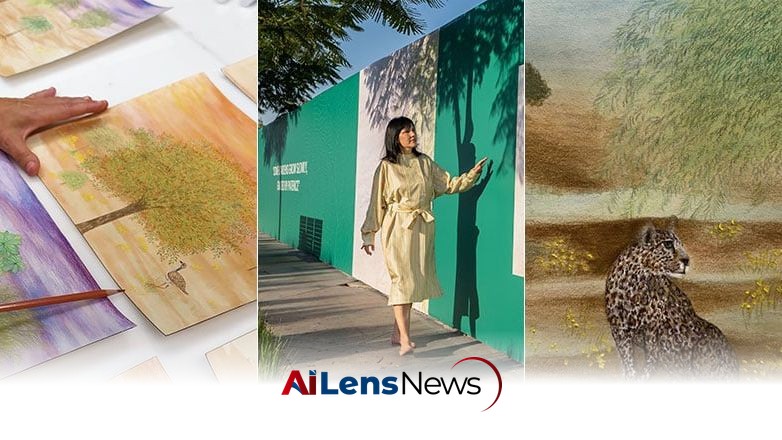


Artist Solimar Miller's new public artwork at the former Dubai Zoo site brings back nostalgic memories and celebrates the UAE's indigenous flora and fauna.
Abu Dhabi, United Arab Emirates Jul 14, 2026 ALN: Once a beloved landmark in Jumeirah, the former Dubai Zoo is being revisited through artist Solimar Miller’s new public artwork. This installation explores the memories, landscapes, and stories connected to the site, inviting the community to reconnect with a cherished piece of Dubai’s past. The Dubai Zoo, which opened in 1967, was a significant part of the city’s cultural fabric for decades, attracting families and visitors who sought to experience wildlife in a unique urban setting. The zoo's closure in 2017 marked the end of an era, but the memories it created linger on in the hearts of many.
Before the skyline of Dubai transformed and new attractions emerged, the Dubai Zoo was a place where generations created lasting memories. Although the zoo has since closed, its stories continue to resonate. Commissioned by Shamal, a cultural initiative aimed at enhancing the community's engagement with art, Miller’s artwork, titled Flora of Light, comprises 12 original pieces displayed across a 710-meter canvas, inspired by the UAE’s indigenous flora and fauna. This project not only highlights the artistic talent of Miller but also serves as a poignant reminder of the natural beauty that once thrived in the area.
Located on the site of the former zoo, the exhibition reflects on the memories tied to this historic corner of Dubai. The installation seeks to evoke nostalgia and provoke conversations about the changes the city has undergone. In an interview with What’s On, Miller shared her journey in creating the artwork and her connection to this iconic location, emphasizing the importance of community involvement in the arts.
What’s On (WO): The former Dubai Zoo holds a special place in the memories of many residents. What was it like translating that sense of nostalgia into a contemporary public art installation?
Solimar Miller (SM): It was an amazing experience to be approached by Shamal to capture and honor the memory of the former zoo site, which holds significant memories for the local community and long-time residents of Dubai. I aimed to honor the site by documenting the trees and plants that inhabited that space, as well as the native animals that once roamed the land. My approach was to create a visual narrative that intertwines personal memories with broader environmental themes.
WO: Your artwork celebrates the UAE’s indigenous flora and fauna. Which elements of the local landscape inspired you most?
SM: Every area of Dubai has its own charm, from Nad Al Sheba to Khawaneej and Hatta. Each tree tells a story, and I appreciate every landscape. It’s like asking a parent which child they favor. The colors, textures, and forms of the native plants are a direct reflection of the resilience of life in this desert environment. I wanted to showcase that diversity through my art, making it accessible and relatable to the viewers.
WO: Having lived in Dubai for over two decades, how has your relationship with the city evolved?
SM: Witnessing the transformation since 1997 has impacted my work. I felt an urgency to document the indigenous flora and fauna as I observed the landscape changing due to development. My focus shifted to capturing the native life forms that are vital to our environment. The rapid urbanization has led to a loss of natural habitats, and I believe it is essential to raise awareness about the importance of preserving what remains.
WO: The installation at the Dubai Zoo will be seen by thousands every day. What do you hope people notice or feel when they encounter the artwork?
SM: I hope people feel a sense of belonging and community. The vision of Shamal was to honor the legacy of that part of Jumeirah, and I hope my artwork inspires visitors to engage with and reminisce about this special project. Art has the power to connect individuals to their surroundings and to each other, and I want this installation to serve as a catalyst for those connections.
This project aligns beautifully with Dubai’s Public Art Strategy, which aims to enhance the city’s cultural landscape through public art installations that reflect the community's identity and history. Offering a vibrant canvas for the community to enjoy and reflect upon, Miller’s installation serves as a reminder of the rich history and natural beauty of Dubai. As the city continues to evolve, it is crucial to remember and celebrate its past, particularly sites like the former Dubai Zoo that shaped the experiences of so many residents. Miller’s artwork is not just an artistic endeavor; it is a bridge connecting the past to the present, fostering a dialogue about community, nature, and the legacy we leave behind.
The Dubai Zoo, which opened in 1967, was one of the first zoos in the Arabian Peninsula. It began as a small facility with a limited number of animals but grew significantly over the years, becoming home to a wide variety of species. The zoo was particularly known for its efforts in wildlife conservation and education. It played a critical role in fostering a love for nature and wildlife among the residents of Dubai and the surrounding areas.
Throughout its operational years, the zoo became a popular destination for families, school trips, and tourists. It was not uncommon to see children marveling at the animals or learning about them through educational programs offered by the zoo staff. The presence of the zoo added a unique charm to Jumeirah, making it a vibrant part of the community.
The closure of the Dubai Zoo in 2017 was met with mixed emotions. While many residents felt a sense of loss, recognizing the zoo as a part of their childhood, others understood the need for urban development and modernization in a rapidly changing city. The site of the former zoo has since been earmarked for redevelopment, but the memories and experiences associated with it remain deeply embedded in the community's collective consciousness.
As Dubai continues to grow and evolve, the transformation of the zoo site into a public art space is a reflection of the city’s commitment to preserving its history while embracing new cultural initiatives. Solimar Miller’s artwork serves as a reminder of the past and a celebration of the present, creating a dialogue between the two.
Public art plays a vital role in urban environments, serving as a medium for expression, reflection, and community engagement. It has the power to transform public spaces, making them more accessible and inviting for residents and visitors alike. Miller’s installation is part of a broader movement in Dubai to incorporate art into everyday life, enriching the cultural landscape of the city.
By engaging with the community through her artwork, Miller aims to foster a sense of belonging and connection among residents. The installation encourages viewers to reflect on their own memories of the zoo and the natural world, promoting a greater appreciation for the environment and the importance of conservation.
As the city moves forward, it is essential to balance development with the preservation of cultural and historical landmarks. Initiatives like Miller’s artwork highlight the importance of remembering the past while looking to the future. They encourage residents to engage with their surroundings and to take an active role in shaping the cultural narrative of their city.
In this way, Solimar Miller’s Flora of Light not only revives memories of the Dubai Zoo but also serves as a reminder of the ongoing dialogue between the past and present. As Dubai continues to grow and change, it is crucial to honor the stories and experiences that have shaped the city, ensuring that they are not forgotten in the face of progress.
Ultimately, Miller’s installation is a celebration of community, nature, and the rich tapestry of experiences that define Dubai. It invites all who encounter it to reflect on their own connections to the city and to appreciate the natural beauty that persists amidst the urban landscape.
To learn more about the latest developments in Visual Arts, stay updated with our exclusive reports and analyses on AiLensNews.

