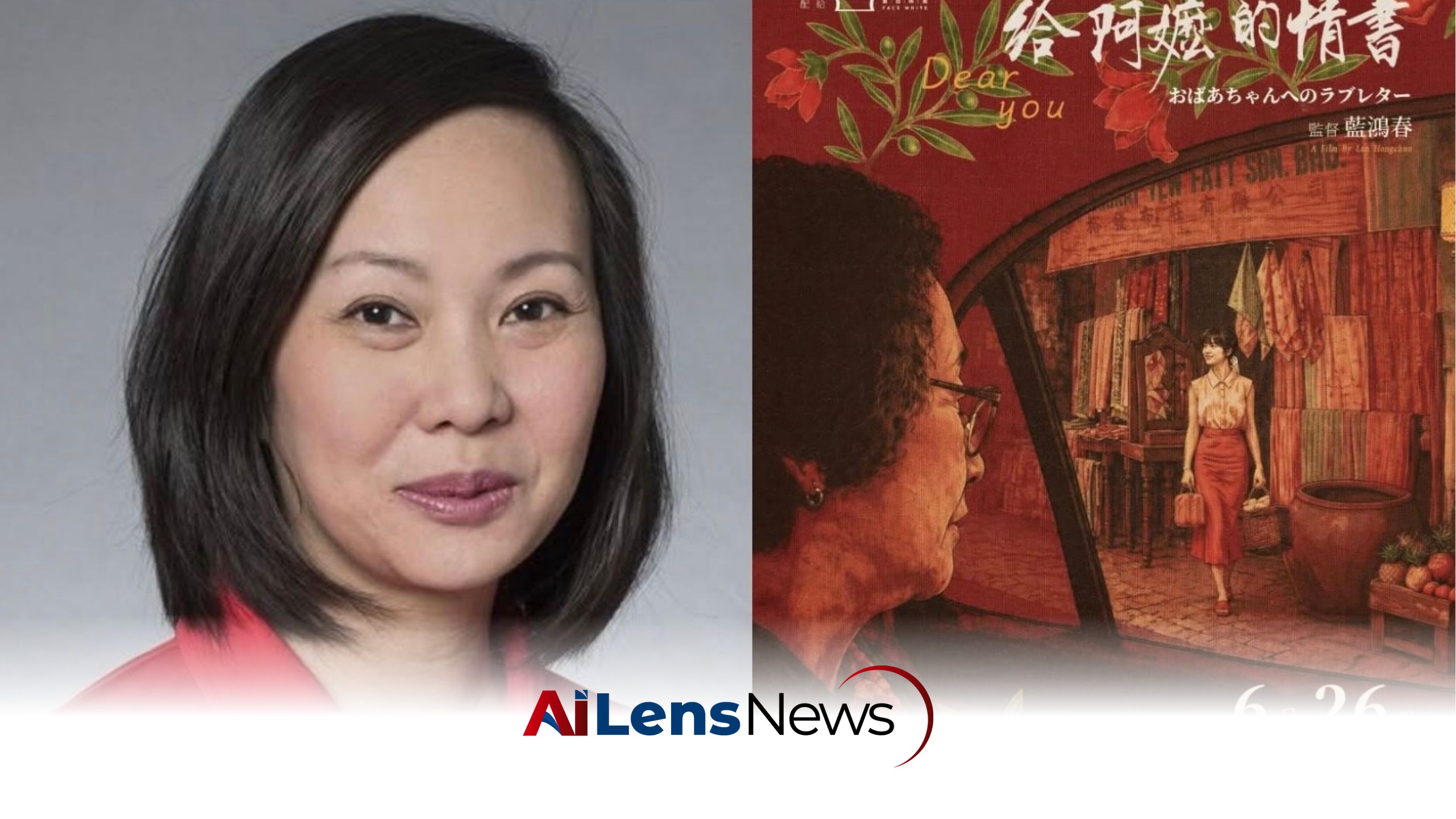


Wendy Low discusses the impact of 'Dear You' on Singapore's film industry, emphasizing the importance of cultural storytelling.
Singapore, Singapore Jul 16, 2026 ALN: Two-time GE candidate Wendy Low of the Progress Singapore Party weighed in on Dear You, the recent hit film from China that stirred no small amount of controversy when it was shown in Mandarin in Singapore instead of in Teochew, in which it had been filmed. The decision to screen the film in Mandarin raised questions about cultural representation and the preservation of dialects, particularly in a multi-ethnic society like Singapore, where multiple languages and dialects coexist.
The film Dear You has become a focal point for discussions surrounding language policy and cultural identity in Singapore. Language plays a crucial role in shaping cultural identity, and the choice of language in which a film is presented can significantly impact its reception among audiences. In Singapore, where the Chinese community is diverse, the use of Mandarin over dialects like Teochew has sparked debates about the preservation of heritage and the importance of dialects in maintaining cultural ties.
In a July 13 social media post, Ms. Low took a slight swipe at Acting Culture, Community and Youth Minister David Neo, who had said in Parliament on July 7 that ministers had no time to watch movies. This comment struck a chord with many who believe that cultural engagement, including film, is essential for understanding and shaping societal values. Ms. Low's remarks highlight a growing sentiment among some citizens that government officials should take a more active interest in the arts, particularly as they relate to national identity and cultural heritage.
Ms. Low went on to express her concerns about the implications of the film's release and the broader context of language policy in Singapore. She raised several thought-provoking questions that reflect the complexities of cultural identity in a globalized world. First, she wondered if the film could “rebuild cultural ties between Singaporean Chinese and China without compromising Singapore’s identity.” This question underscores the challenge of navigating cultural diplomacy in an era where geopolitical tensions, particularly between the United States and China, are increasingly pronounced.
Singapore's unique position as a multicultural and multilingual society allows it to serve as a bridge between different cultures. Ms. Low's inquiry about celebrating heritage without compromising loyalty raises significant points about how nations can honor their roots while engaging with larger global narratives. The notion of cultural confidence is particularly relevant here; it suggests that individuals can embrace their cultural identity without being perceived as politically aligned with any particular nation.
Secondly, she asked if dialect goes beyond nostalgia, adding that it could “become ASEAN’s forgotten language of connection to grow pro-ASEAN.” This statement reflects a broader concern that as globalization progresses, local dialects may fade into obscurity. The dialects spoken in Singapore, such as Teochew and Hokkien, are not merely relics of the past; they represent stories of migration, resilience, and community. By revitalizing these dialects, Singapore could strengthen its cultural ties with other ASEAN nations, fostering deeper connections and enhancing regional integration.
Ms. Low’s reference to the spirit of the qiaopi (侨批) is particularly poignant. These letters and remittances sent by overseas Chinese to their families back home served not only as a means of financial support but also as a cultural lifeline that maintained familial bonds across borders. The evolution of cross-border wealth and its impact on society raises critical questions about whether economic growth translates into social benefits or merely serves to enrich a select few. This inquiry highlights the need for a more equitable distribution of wealth and resources, especially in a rapidly changing global landscape.
Finally, Ms. Low reflected on the potential of Dear You to influence Singapore’s film landscape, drawing a parallel to how Little Nyonya transformed television by inspiring narratives rooted in the Nanyang experience. The success of films and television shows that explore themes of migration, resilience, and multicultural heritage can resonate with audiences not just locally but also regionally and globally. Such narratives can foster a sense of belonging and identity among viewers, while also promoting a greater understanding of Singapore’s diverse cultural tapestry.
“Perhaps the greatest legacy of Dear You is not its box office numbers or its controversies. Perhaps it will be whether it inspires a new generation of filmmakers to tell stories that are proudly Singaporean, deeply ASEAN, and universally human,” she wrote. This statement encapsulates a hopeful vision for the future of Singaporean cinema, one where local filmmakers draw from their rich cultural heritage to create compelling narratives that resonate on multiple levels.
Wendy Low's position as a member of PSP’s Central Executive Committee, its highest decision-making body, as well as her role in heading the party’s Women’s Wing and communications, places her in a significant position to influence discussions around cultural policy and the arts in Singapore. Her insights reflect broader societal concerns about cultural identity, representation, and the role of the arts in shaping national narratives.
As Singapore continues to navigate its place in a rapidly changing world, the discussions sparked by Dear You may serve as a catalyst for deeper reflections on cultural identity, language preservation, and the power of storytelling. The implications of these discussions extend beyond the realm of cinema and into the fabric of Singaporean society, as individuals and communities grapple with their identities in an increasingly interconnected world.
In recent years, Singapore has made significant strides in promoting the arts and cultural initiatives, recognizing their importance in fostering a cohesive national identity. However, the tension between modernization and the preservation of traditional cultures remains a delicate balance. The government’s policies often aim to promote a cohesive national identity, but these can sometimes overshadow the unique identities of various ethnic groups within the nation.
The conversation surrounding Dear You is emblematic of a larger dialogue about how Singaporeans relate to their cultural roots while embracing a globalized future. As the nation continues to evolve, the arts, particularly film, can play a pivotal role in reflecting and shaping societal values. Films like Dear You not only entertain but also provoke thought and discussion about what it means to be Singaporean in a world that is increasingly interconnected yet diverse.
The potential impact of films that explore local dialects and cultural narratives cannot be understated. They serve as a reminder of the rich tapestry of stories that make up Singapore’s heritage. By engaging with these narratives, filmmakers have the opportunity to educate audiences about the significance of dialects and the historical context behind them, fostering a greater appreciation for the cultural diversity that exists within the nation.
Furthermore, as Singapore positions itself as a hub for creativity and innovation in the region, the film industry has the potential to attract international attention. By producing content that resonates with both local and global audiences, Singaporean filmmakers can carve out a niche in the competitive landscape of cinema. The success of films like Dear You could pave the way for more projects that celebrate the unique cultural identities of Singaporeans and their neighbors in ASEAN.
As discussions around the film continue, it is clear that the implications of Dear You extend far beyond its cinematic value. It raises essential questions about cultural representation, language preservation, and the role of the arts in fostering national identity. Wendy Low’s reflections serve as a reminder that in a multicultural society like Singapore, the arts have the power to unite, educate, and inspire, creating a shared narrative that honors the past while looking toward the future. In doing so, it can help to ensure that the voices of all communities are heard and valued in the ongoing story of Singaporean identity.
To learn more about the latest developments in Film & Cinema, stay updated with our exclusive reports and analyses on AiLensNews.

