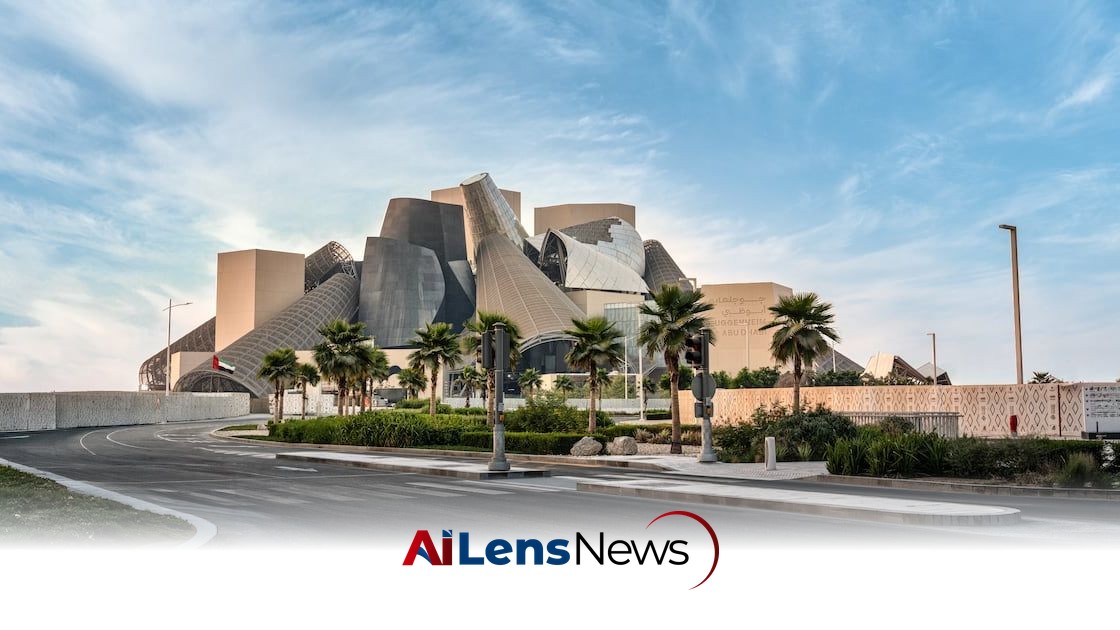


The opening of the Guggenheim Abu Dhabi on December 11 marks a significant cultural milestone for the emirate, showcasing resilience despite regional turmoil.
Riyadh, Saudi Arabia Jul 29, 2026 ALN: Guggenheim Abu Dhabi is set to open on December 11, concluding almost two decades of anticipation surrounding the Frank Gehry-designed museum. This highly anticipated launch marks a significant milestone in Abu Dhabi's cultural landscape, which has been under development for many years. The Guggenheim Abu Dhabi represents not only a commitment to the arts but also a broader vision of cultural exchange and global dialogue.
Its opening has been announced after months of Iranian aggression, interrupted travel, and uncertainty across the Gulf, during which cultural organisations have postponed events and reworked programmes. The recent geopolitical tensions in the region have posed challenges for various sectors, including tourism and cultural events. Despite these hurdles, Abu Dhabi's leadership has remained steadfast in its commitment to cultural development, viewing it as essential to the emirate's identity and global standing.
The museum and its launch were planned long ago, as were many of the events now gathering in Abu Dhabi’s final months of 2026. The timeline for these projects reflects a city pressing ahead with plans developed over years, even as the conditions around them have changed dramatically. This resilience underscores a strategic approach to cultural investment that aims to position Abu Dhabi as a leading cultural hub in the region and beyond.
Dar Al Funoon will give Abu Dhabi a place where culture is continually made, providing a venue for diverse artistic expressions and performances. This initiative is part of a broader strategy to cultivate a dynamic cultural scene that engages both local and international audiences. With a focus on nurturing talent and creativity, Dar Al Funoon aims to complement existing institutions and foster a vibrant arts community.
Frieze Abu Dhabi will debut at Manarat Al Saadiyat in November, taking forward the work of Abu Dhabi Art. This event is expected to attract a wide array of artists, collectors, and cultural leaders, further enhancing the emirate's reputation as a destination for contemporary art. The Formula One Grand Prix follows in early December, before Abu Dhabi Finance Week and Culture Summit Abu Dhabi, both of which conclude on December 10. The Guggenheim opens the next morning, creating a crescendo of cultural activity that will energize the city.
This sequence of events will create a lively atmosphere among the city’s hotels, transport network, and events industry. It will also bring artists, collectors, cultural leaders, investors, and visitors to an Abu Dhabi whose cultural landscape has expanded rapidly. The synergy between these events is expected to generate significant economic benefits, including increased tourism and local engagement in cultural activities.
The Natural History Museum Abu Dhabi and Zayed National Museum opened late last year, joining Louvre Abu Dhabi, teamLab Phenomena, and other institutions on Saadiyat. The Guggenheim Abu Dhabi will add modern and contemporary art to a district that now spans art, history, science, and digital experiences. This diverse array of institutions not only enriches the cultural offerings of Abu Dhabi but also emphasizes the emirate's commitment to showcasing a wide range of human experiences and narratives.
Inside the new museum, internationally recognised figures will be shown alongside artists from the Arab world, Africa, and Asia, with the galleries tracing connections across regions often kept separate in established histories of modern art. This inclusive approach to exhibition design is a reflection of Abu Dhabi’s vision to highlight interconnectedness and cultural dialogue, fostering a greater understanding of global art movements and their influences.
That approach reflects Abu Dhabi’s confidence in presenting global culture from its own position – the capital sits at a meeting point between regions, shaped by movement and exchange. Its museums have the opportunity to tell histories that recognise those connections and embrace the city's part in helping to forge them as a global hub. This narrative is particularly important in a world where cultural exchange can often be overshadowed by political tensions and conflicts.
The need for that perspective feels particularly clear during a period when the region is being viewed by some through the narrow frame of conflict. Abu Dhabi’s cultural institutions offer a broader account of the place itself and of the histories that meet there. By focusing on cultural development, Abu Dhabi aims to transcend the limitations imposed by external perceptions and highlight its role as a center for dialogue, creativity, and innovation.
The Guggenheim also belongs to a programme extending well beyond the current season. Dar Al Funoon Abu Dhabi, scheduled to open beside Saadiyat Cultural District in 2030, will establish a major home for the performing arts. Another of Gehry’s final projects, the centre will expand the capital’s cultural offering into opera, ballet, theatre, orchestral music, and other live forms. This ambitious project underscores Abu Dhabi's long-term vision of becoming a global cultural leader, investing in the arts as a means of fostering community engagement and international collaboration.
Projects on this scale require years of planning, collecting, construction, and specialist work. Their timelines extend beyond the immediate political climate, although their progress depends on institutions capable of adapting when that climate changes. Abu Dhabi’s cultural sector has spent much of this year doing precisely that, demonstrating resilience and flexibility in the face of challenges. This adaptability is crucial for maintaining momentum in cultural initiatives and ensuring their sustainability amidst shifting geopolitical landscapes.
The emirate will surely carry this momentum beyond the opening season. Its museums will deepen their programmes, its institutions will support more artists, and audiences from across the country, region, and world will have more reasons to return. This ongoing commitment to cultural enrichment is expected to yield long-term benefits, not only for Abu Dhabi but also for the broader region, as cultural exchanges foster understanding and collaboration.
The war may continue to disrupt the region, but it will not determine the capital’s cultural trajectory. Abu Dhabi has set that course for the long term, and it has shown clearly that it will stay on it, whatever the headwinds. This determination to pursue cultural excellence, even in challenging times, reflects a broader understanding of the importance of culture as a unifying force and a driver of economic and social development. As Abu Dhabi continues to cultivate its cultural landscape, it will undoubtedly play a pivotal role in shaping the future of the arts and cultural dialogue in the region.
To learn more about the latest developments in Cultural Events, stay updated with our exclusive reports and analyses on AiLensNews.

