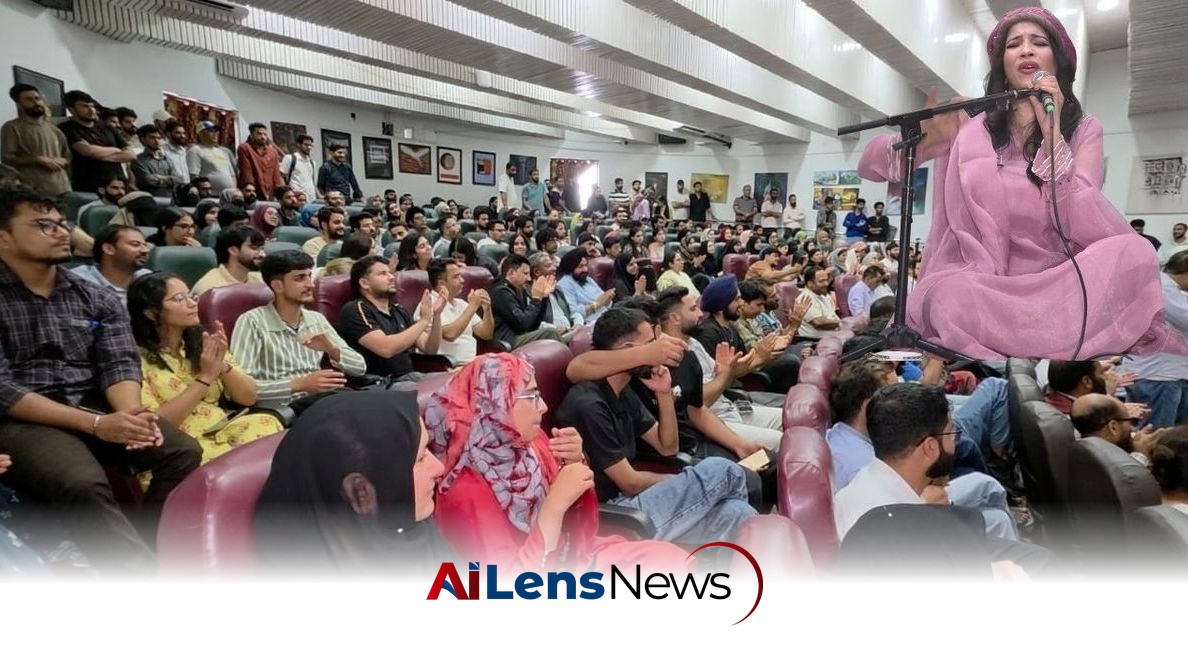


Kashmir University hosted a musical event honoring Amir Khusru, featuring Vusat Iqbal from Delhi Gharana, celebrating the poet's spiritual legacy.
New Delhi, India Jul 14, 2026 ALN: Kashmir University organized a grand musical event on Monday, celebrating the poetic and spiritual legacy of the renowned Indian poet, Sufi ascetic, and musician Amir Khusru at the Ibn-e-Khaldoon Auditorium. This event not only highlighted the artistic contributions of Khusru but also served as a cultural bridge, connecting the past with the present through music and poetry.
Amir Khusru, who lived from 1253 to 1325, is often regarded as one of the most significant figures in Indian literature and Sufi mysticism. His works are celebrated for their lyrical beauty and profound spiritual insight. Khusru is credited with enriching the cultural landscape of India through his poetry, which transcends linguistic and cultural barriers. He is also known for his innovations in music, having introduced new forms and instruments that have influenced various genres, including Hindustani classical music.
Born in the region that is now known as India, Khusru's life spanned a period marked by significant cultural exchanges and the flourishing of various art forms. His poetry often reflects the syncretic culture of his time, blending elements from Persian, Arabic, and local Indian traditions. This blending is particularly evident in his use of language and themes, which resonate with a diverse audience. His works, such as the 'Ghazals' and 'Qawwalis', continue to be performed and celebrated today, underscoring their timeless appeal.
The event featured famed Sufi singer Vusat Iqbal of Delhi Gharana, who presented the Kalam of Amir Khusru. Iqbal's performance was a testament to the enduring relevance of Khusru's work, showcasing how his poetry continues to resonate with contemporary audiences. The event was graced by the presence of the Registrar of the University, Prof. Nasir Iqbal, who served as the Chief Guest, alongside the Director of the Global Sufi Foundation, Ajmer Syed Riyazuddin Chisti, who was the guest of honor. Their participation underscored the importance of such cultural events in fostering a sense of community and shared heritage among diverse groups.
The program attracted a diverse audience, including the Controller of Examinations, Deans, Heads of Departments, faculty members, invited guests from various sectors, scholars, and students. This eclectic mix of attendees highlights the universal appeal of Khusru's work and the significance of music and poetry as tools for dialogue and understanding. The presence of such a varied audience reflects the deep-rooted appreciation for Khusru's contributions to Indian culture and spirituality.
This event was organized by the Sheikh-ul-Alam Centre for Multidisciplinary Studies in collaboration with the Pran Kishore Institute of Music & Fine Arts and the Allama Iqbal Library. The collaboration among these institutions reflects a concerted effort to promote cultural and artistic endeavors within the academic framework, fostering an environment where students and scholars can engage with their heritage in meaningful ways. This partnership exemplifies how educational institutions can play a pivotal role in preserving and promoting cultural legacies.
In his address, Prof. Nasir Iqbal emphasized that by celebrating Amir Khusru, the university is honoring a vibrant spiritual tradition that unites people across different backgrounds. He articulated the belief that Khusru's legacy is not merely historical; it is a living tradition that continues to inspire and connect individuals from various walks of life. By invoking Khusru's spirit, the university aims to encourage a sense of belonging and mutual respect among its diverse student body. This call for unity is especially relevant in today's context, where societal divisions often hinder collective progress.
Prof. Satish Vimal from the Sheikh-ul-Alam Centre provided insights into Amir Khusru's contributions, highlighting his spiritual approach to bridging divides between various philosophies, faiths, and cultures. Khusru's work is characterized by its inclusivity, drawing from Hindu, Islamic, and other cultural influences, which reflects the syncretic nature of Indian society. This aspect of Khusru's legacy is particularly significant in today's context, where divisions based on religion and ideology can often overshadow shared human experiences. By promoting Khusru's message of unity, educational institutions can contribute to a more harmonious society.
Vusat Iqbal captivated the audience with her melodious renditions of Hazrat Amir Khusru's works, bringing to life the timeless themes of love, devotion, and the quest for spiritual truth that permeate Khusru's poetry. Her performance served as a reminder of the power of music to evoke emotions and foster connections among people, transcending barriers of language and culture. The audience's enthusiastic response to her performance demonstrated the enduring appeal of Khusru's work and the relevance of Sufi traditions in contemporary society. Music, as a universal language, holds the potential to bridge cultural divides and promote understanding.
The vote of thanks was delivered by Prof. Aadil Amin Kaak, the Chairman of Markaz-e-Noor, who expressed gratitude to all participants and organizers for their contributions to the event. He emphasized the importance of continuing such initiatives that celebrate cultural heritage and promote artistic expression as vital components of academic life. This acknowledgment highlights the collaborative spirit that is essential for the success of cultural events, fostering a sense of community among participants.
This event at Kashmir University not only celebrated the legacy of Amir Khusru but also served as a reminder of the rich cultural tapestry of India. It highlighted the importance of preserving and promoting artistic traditions that contribute to social harmony and understanding. In a world increasingly characterized by division and conflict, the message of unity and inclusivity that Khusru embodied through his poetry and music remains as relevant as ever. The celebration of Khusru's life and works serves as an important reminder of the shared cultural heritage that can unite diverse communities.
As educational institutions continue to play a pivotal role in shaping the cultural landscape, events like this are essential in fostering a deeper appreciation for the arts and humanities. They encourage students and scholars to engage with their cultural heritage and explore the ways in which it can inform contemporary issues. The celebration of Amir Khusru’s legacy at Kashmir University stands as a testament to the enduring power of art and culture to inspire, heal, and unite people across divides. Such events not only honor the past but also inspire future generations to carry forward the values of creativity and inclusivity.
Looking ahead, it is crucial for universities and cultural institutions to continue organizing events that honor historical figures like Amir Khusru, as these gatherings not only enrich the academic environment but also contribute to a broader understanding of the diverse cultural narratives that shape our world. By doing so, they ensure that the legacies of such figures remain alive and impactful for future generations, cultivating a society that values creativity, dialogue, and mutual respect. The ongoing engagement with cultural figures like Khusru can foster a deeper understanding of the complexities of human experience, encouraging individuals to appreciate the beauty of diversity in thought and expression.
To learn more about the latest developments in Cultural Events, stay updated with our exclusive reports and analyses on AiLensNews.

