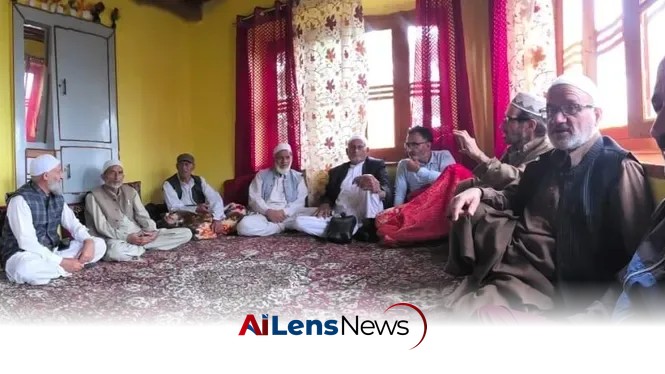


The recent Mushaira organized by Bazm-e-Adab Gulmarg in Tangmarg brought together poets and literature enthusiasts, celebrating the rich literary culture of Kashmir.
New Delhi, India Jul 13, 2026 ALN: Bazm-e-Adab Gulmarg Kashmir organized a Mushaira (poetic symposium) at the residence of renowned Sufi poet Ghulam Hassan Mir, located in Gani Baba, Wani Gaaam Tangmarg. This event is part of a broader cultural initiative aimed at preserving and promoting the rich literary heritage of the Kashmir Valley, a region known for its profound connection to poetry and the arts. The significance of such initiatives cannot be overstated, especially in a region where cultural expressions have historically faced challenges due to political and social upheaval.
The Mushaira attracted a diverse audience, including prominent poets, literary enthusiasts, and local residents, all drawn together by their shared love for poetry. The gathering took place in a warm and intellectually enriching atmosphere, reflective of the deep appreciation for literary arts in the region. Such events serve not only as a platform for poets to showcase their work but also as a vital space for community engagement and cultural dialogue. The proceedings were conducted by noted poet Shafeeq Karahami, who is well-respected in the literary community for his contributions to Kashmiri poetry. His role as a facilitator is crucial, as it helps to guide the flow of the event and ensures that the voices of all participating poets are heard and appreciated.
The session was presided over by Hilal Kashmiri, an eminent poet and the president of Bazm-e-Adab, who is known for his efforts in fostering a vibrant literary culture in Kashmir. Under his leadership, the organization has been instrumental in organizing various literary events that celebrate and promote Kashmiri literature. The symposium featured a lineup of poetic recitations from a variety of talented poets, including Ghulam Hassan Mir, Mehboob Bilal, Akram Wanigaami, Shafeeq Karahami, Mir Afroz Afroz, Abdul Salam Hamraz, Mohammad Akbar Majrooh, Hilal Kashmiri, Abdul Ahad Dilbar, Ghulam Mohammad Shah Benawa, Rahat Rafiq, and Tousif Raza. Each poet brought their unique voice and style to the stage, captivating the audience with thought-provoking verses that touched upon themes of love, nature, spirituality, and the socio-political landscape of Kashmir.
The eloquence and depth of their poetry received enthusiastic applause and appreciation from the audience, highlighting the enduring power of spoken word in connecting individuals and communities. Poetry in Kashmir often serves as a bridge between the past and present, allowing poets to reflect on historical events while also addressing contemporary issues. The themes explored during the Mushaira resonated deeply with the audience, many of whom have experienced the complexities of life in the region firsthand.
The event was not just a celebration of poetry but also an opportunity for poets to engage with one another, share ideas, and foster creative expression. The vibrant literary atmosphere served to strengthen the bonds among writers and poetry enthusiasts, creating a sense of community that is essential for the flourishing of artistic endeavors. Participants expressed their gratitude towards Bazm-e-Adab Gulmarg Kashmir for organizing such meaningful gatherings, emphasizing the importance of continuing these literary traditions in the future. The exchange of ideas and the collaborative spirit exhibited at the Mushaira are indicative of the strong literary community that exists in Kashmir, which has been a source of resilience amid various challenges.
Literary gatherings like this Mushaira are significant in the context of Kashmir's cultural landscape, where poetry has long been a vital form of expression. The tradition of Mushairas dates back centuries and has been an integral part of the cultural fabric of the region. These events provide a platform for poets to showcase their work, engage with their audience, and promote the Kashmiri language and literature. In a time when the region faces numerous challenges, including political strife and social upheaval, such gatherings play a crucial role in nurturing creativity and providing solace through the arts. They allow individuals to come together and find common ground through shared experiences and emotions, which is particularly important in a region marked by division and conflict.
Moreover, the significance of poetry in Kashmir extends beyond mere artistic expression; it often serves as a means of social commentary and reflection on the human experience. Poets in the region have historically used their craft to address issues of identity, conflict, and resilience, making their work not only relevant but also deeply impactful. The voices of Kashmiri poets resonate with the struggles and aspirations of their people, fostering a sense of solidarity and hope. This connection between poetry and social issues underscores the importance of literary events in providing a platform for dialogue and understanding, particularly in a society where different narratives often compete for attention.
The role of organizations like Bazm-e-Adab Gulmarg is pivotal in sustaining the literary culture in Kashmir. By organizing events such as Mushairas, they not only provide a platform for established poets but also encourage emerging voices in the literary scene. This nurturing of new talent is essential for the continuity of Kashmiri literature and for the preservation of its rich heritage. The collective effort of the community, poets, and literary organizations helps to ensure that the art of poetry remains alive and vibrant, even in challenging times. The mentorship and support provided by seasoned poets to younger writers can help to cultivate a new generation of talent that will carry forward the legacy of Kashmiri poetry.
Looking ahead, participants expressed optimism that such literary gatherings would continue to flourish, serving as a beacon of hope and creativity in the region. The desire for more events that celebrate poetry and literature reflects a broader yearning for cultural expression and dialogue in Kashmir. As the literary scene continues to evolve, it is likely that new themes and styles will emerge, further enriching the tapestry of Kashmiri poetry. This evolution is not only a testament to the resilience of the literary community but also a reflection of the changing dynamics of society, as poets respond to new challenges and opportunities.
In conclusion, the Mushaira organized by Bazm-e-Adab Gulmarg Kashmir in Tangmarg not only showcased the talents of various poets but also reaffirmed the importance of literary gatherings in fostering a sense of community and cultural identity. The event highlighted the enduring power of poetry as a medium for expression, reflection, and connection among individuals, serving as a reminder of the vital role that art plays in our lives, especially in times of uncertainty. As the region continues to navigate its complexities, the voices of poets will undoubtedly remain a source of inspiration and resilience for generations to come. The commitment to preserving and promoting the literary heritage of Kashmir through events like the Mushaira is essential in ensuring that the rich tradition of poetry continues to thrive, providing solace and inspiration to all.
To learn more about the latest developments in Literature & Books, stay updated with our exclusive reports and analyses on AiLensNews.

