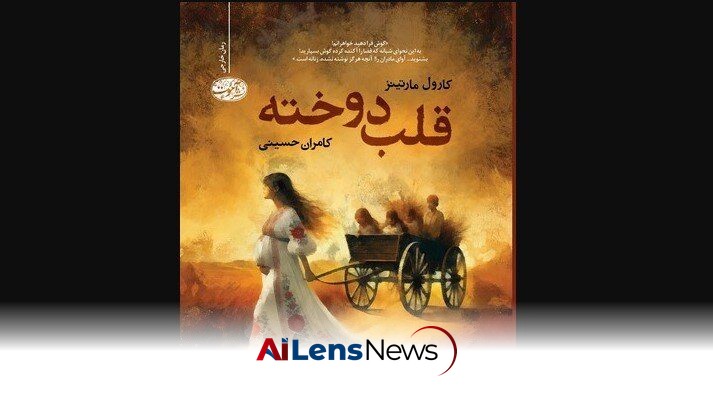


The Persian translation of Carole Martinez's novel 'The Threads of the Heart' is now available in Iranian bookstores, exploring themes of magic and motherhood.
Tehran, Iran Jul 12, 2026 ALN: TEHRAN- The Persian translation of "The Threads of the Heart" by French novelist Carole Martinez has been officially published and is now available in Iranian bookstores.
Published by Amut, the book has been translated by Kamran Hosseini.
"The Threads of the Heart" tells the story of Frasquita, a woman endowed with a rare and mystical gift that has been passed down through generations of women in her family. In her small Andalusian village, Frasquita is rumored to be a healer or perhaps even a sorceress, thanks to her extraordinary ability to transform mere rags into magnificent, living garments. These creations are not just clothing; they possess a transformative power that can mask any physical defect or deformity, bestowing an otherworldly beauty upon whoever wears them.
However, this supernatural talent proves to be a double-edged sword. While her gowns bring beauty, they also spark a poisonous jealousy among the villagers, marking Frasquita as an outsider in her own home. Her precarious social standing is further destabilized by her husband, whose gambling addiction leads to financial ruin and misfortune for the family. Forced to flee from the resentment of her village and the instability of her marriage, Frasquita embarks on a perilous journey across southern Spain and into Africa, taking her five children along.
What begins as a forced exile evolves into a quest for survival and redemption. As they navigate unfamiliar lands, the journey transforms into a search for a better life and a sanctuary away from the prejudices of their past. Yet, for Frasquita, the journey is also deeply personal and maternal. Having borne the burden of her ancestral powers, she is determined to break the cycle of occultism. Her primary motivation is to find a way to liberate her daughters from the inevitable fate of their family of sorcerers, hoping to spare them from the isolation and superstition that have defined her own existence.
"The Threads of the Heart" is a lyrical exploration of the intersection between art, magic, and motherhood. It examines the cost of extraordinary gifts and the lengths a mother will go to protect her children from a legacy that is as much a curse as it is a blessing. Through its journey from Andalusia to Africa, the novel weaves a tapestry of resilience and the eternal search for belonging.
Carole Martinez, born in 1966, has garnered significant acclaim for her ability to blend magical realism with profound emotional depth in her narratives. Her works often explore themes of femininity, identity, and the power of storytelling. "The Threads of the Heart" is no exception, as it delves into the complexities of female inheritance, the societal pressures faced by women, and the interplay between personal aspirations and familial responsibilities.
The novel's setting in Andalusia is particularly poignant, as this region of Spain is steeped in a rich tapestry of cultural influences, including Moorish, Christian, and Jewish heritages. This multicultural backdrop not only enriches the narrative but also serves as a metaphor for Frasquita's own journey of self-discovery and liberation. The historical context of Andalusia, known for its period of convivencia, where different cultures coexisted, contrasts sharply with the isolation and fear that Frasquita experiences in her village.
Martinez's portrayal of Frasquita resonates with many readers, particularly women, who may see reflections of their own struggles against societal norms and familial expectations. The character’s journey can be viewed as a metaphor for the universal quest for autonomy and self-definition in a world that often seeks to define individuals by their roles within family and society.
The Persian translation of "The Threads of the Heart" is significant not only for its literary value but also for its cultural implications. As Iranian readers engage with Frasquita’s story, they may find parallels in their own experiences of societal constraints and the quest for personal freedom. The themes of motherhood, sacrifice, and the search for identity are universal, transcending geographical boundaries and cultural differences.
Furthermore, the translation of such a work into Persian highlights the growing interest in global literature within Iran. In recent years, there has been a noticeable shift towards embracing diverse narratives that challenge traditional perspectives and explore complex human experiences. This trend reflects a broader cultural movement within Iran, where readers are increasingly eager to engage with international voices and stories that resonate with their own realities.
The role of translators, such as Kamran Hosseini, is crucial in this context. A skilled translator not only conveys the words of the original text but also captures the nuances, emotions, and cultural references that are essential to the story. The success of a translation can significantly influence how a work is received in a new cultural setting, making the translator's role pivotal in bridging gaps between languages and cultures.
As "The Threads of the Heart" finds its place on Iranian bookshelves, it invites readers to reflect on their own lives and the legacies they inherit. The novel's exploration of beauty, jealousy, and the burdens of familial gifts resonates deeply, encouraging a dialogue about the nature of empowerment and the sacrifices made in the name of love and protection.
In conclusion, the release of Carole Martinez's "The Threads of the Heart" in Persian marks not only the introduction of a compelling narrative to a new audience but also signifies a cultural exchange that enriches both the Iranian literary landscape and the global appreciation of diverse storytelling. As readers immerse themselves in Frasquita's journey, they may find inspiration to confront their own challenges and seek their own paths towards freedom and self-acceptance.
The novel's themes resonate particularly strongly in a contemporary context where discussions around women's rights and identity are prevalent. In many societies, including Iran, women often navigate complex social structures that dictate their roles and responsibilities. Frasquita's story serves as a reflection of these struggles, highlighting the importance of self-advocacy and the fight against societal limitations. By portraying a protagonist who defies expectations and seeks to carve out her own destiny, Martinez not only provides a voice to those who feel marginalized but also inspires readers to challenge the norms that confine them.
Moreover, the act of translating literature such as "The Threads of the Heart" into Persian is a vital component of cultural exchange. It allows Iranian readers to access narratives that may be vastly different from their own experiences, fostering empathy and understanding. This cross-cultural dialogue is essential in a globalized world where literature serves as a bridge between diverse perspectives. The translation process itself is an art form, requiring sensitivity and an understanding of both the source and target cultures to convey the essence of the original work.
The growing interest in translated works within Iran can also be seen as part of a larger trend where readers are seeking to expand their horizons beyond local narratives. This shift is indicative of a broader cultural evolution, where there is a desire for stories that reflect a multitude of experiences and viewpoints. As readers engage with international literature, they become more aware of the complexities of human existence, which can lead to a more nuanced understanding of their own lives and societies.
In essence, the release of "The Threads of the Heart" in Persian is a significant milestone that underscores the importance of literature as a vehicle for change and understanding. It encourages readers to explore themes of identity, motherhood, and the struggle for autonomy while simultaneously fostering a sense of connection with the broader human experience. As Frasquita's journey unfolds, it serves as a reminder of the resilience of the human spirit and the ongoing quest for belonging in a world that often challenges our sense of self.
To learn more about the latest developments in Literature & Books, stay updated with our exclusive reports and analyses on AiLensNews.

