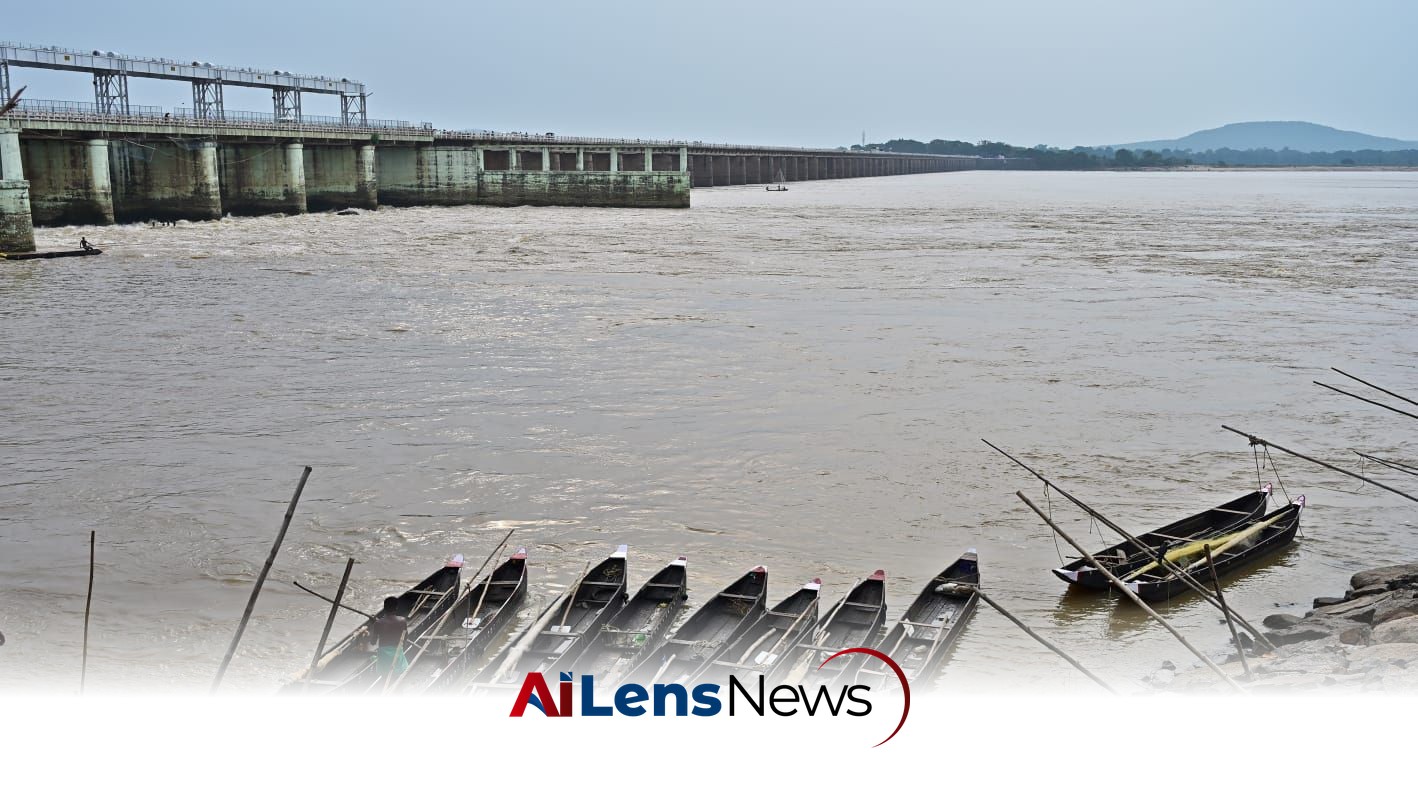


Explore the latest scenes from Odisha, featuring the Mahanadi floodwaters and artisans preparing traditional crafts.
New Delhi, India Jul 11, 2026 ALN: Odisha, located on the eastern coast of India, is known for its rich tapestry of culture, history, and natural beauty. The state is home to a variety of landscapes, from lush green hills to picturesque coastlines along the Bay of Bengal. In recent times, Odisha has been in the spotlight for various reasons, including the impact of seasonal floods and the resilience of its local communities. Today, we highlight some significant developments and cultural showcases that reflect the spirit of Odisha.
The Mahanadi River, often referred to as the lifeline of Odisha, has been experiencing robust flows through the Mundali Barrage located in Cuttack. This barrage is not just a critical infrastructure project; it plays an essential role in managing water levels in the river, which is crucial for irrigation, drinking water supply, and flood control in the region. The recent floods have posed challenges, including displacement of communities and damage to agricultural land, yet they also present opportunities for revitalizing local ecosystems and enhancing water management practices.
The Mahanadi River is one of the longest rivers in India, stretching over 850 kilometers and flowing through several states before emptying into the Bay of Bengal. Its basin supports millions of people who depend on its waters for agriculture and daily living. The river's significance cannot be overstated, as it provides irrigation for vast agricultural lands, which are vital for the state's economy. The government and local bodies have been working tirelessly to monitor water levels and implement flood management strategies. The floods, while destructive, have highlighted the importance of sustainable practices in managing natural resources. This situation has raised awareness regarding the need for improved infrastructure and disaster preparedness plans to mitigate the impact of such natural calamities in the future.
In light of the recent floods, the government has initiated several measures to enhance flood resilience. These include the construction of embankments, the creation of flood forecasting systems, and community awareness programs aimed at educating residents about flood preparedness. Moreover, the impact of climate change on weather patterns has made these initiatives even more crucial, as erratic rainfall and rising sea levels pose a continuous threat to the region. The floods have also sparked discussions on the need for sustainable agricultural practices that can withstand extreme weather events, thus ensuring food security for the population.
In a different part of Cuttack, artisans are engaged in the intricate preparation of ‘mehera’ at the Dolamundai Chandan Padia Ratha Khala. This craft is emblematic of Odisha's rich cultural heritage, showcasing the skills and dedication of local craftsmen. The preparation of ‘mehera’, which are decorative elements used in traditional chariots during festivals, is a meticulous process that requires not only artistic talent but also a deep understanding of cultural significance.
The artisans involved in this craft are often members of families who have been practicing this art for generations. Their work reflects the historical and cultural narratives of Odisha, as each piece carries with it stories of tradition and community. The process of creating ‘mehera’ is not merely a job; it is a celebration of the region's artistic legacy, deeply intertwined with the festivals and rituals that define Odia culture. Festivals like Rath Yatra, where these chariots are paraded, serve as a reminder of the importance of these crafts in the cultural fabric of the state.
However, the artisan community faces challenges, particularly in terms of market access and competition from mass-produced goods. As globalization continues to influence local economies, many artisans struggle to maintain their livelihoods. Efforts are being made to promote these crafts through local exhibitions and fairs, which not only provide a platform for artisans to sell their products but also educate the public about the importance of preserving traditional crafts. Additionally, initiatives to connect artisans with digital marketplaces are gaining traction, allowing them to reach a broader audience beyond their localities.
As the floodwaters rise, the spirit of community engagement becomes more crucial than ever. Local organizations and volunteers are coming together to support those affected by the floods, demonstrating the resilience and solidarity of the people of Odisha. These community-driven initiatives are vital in providing immediate relief, such as food, shelter, and medical assistance, to those displaced by the floods.
The response to the floods has highlighted the strength of local governance and the importance of community networks in disaster management. Many organizations are mobilizing resources to assist affected families, ensuring that aid reaches those in need promptly. This collective effort not only addresses immediate concerns but also fosters a sense of unity and resilience among the residents. The role of local leaders and volunteers has been instrumental in coordinating these relief efforts, showcasing the power of grassroots movements in times of crisis.
Moreover, the community's response to environmental challenges emphasizes the need for long-term strategies to cope with climate change and its impacts. Discussions on sustainable practices, such as afforestation and better water management techniques, are gaining traction as communities seek to build resilience against future natural disasters. There is a growing recognition that climate adaptation requires not only immediate responses but also proactive measures to protect the environment and enhance community preparedness.
Odisha's landscapes, enriched by both natural and cultural elements, continue to inspire and engage its residents and visitors alike. The ongoing efforts of artisans and the community's response to environmental challenges highlight the state's dynamic character. As the state navigates through these challenges, the interplay of tradition and modernity becomes increasingly evident, shaping the future of Odisha. The commitment to preserving cultural heritage while embracing innovation is a hallmark of Odisha's development trajectory.
In conclusion, Odisha stands as a testament to the resilience of its people, the richness of its culture, and the beauty of its landscapes. The state is currently at a crossroads, where the challenges posed by natural disasters and the need for cultural preservation coexist with opportunities for growth and innovation. As we continue to observe the developments in Odisha, it is clear that the spirit of the people, their commitment to their traditions, and their ability to adapt to changing circumstances will define the future of this vibrant state.
Stay tuned for more updates and insights from Odisha, where tradition and nature intertwine, creating a unique narrative that continues to evolve with time.
To learn more about the latest developments in Heritage & History, stay updated with our exclusive reports and analyses on AiLensNews.

