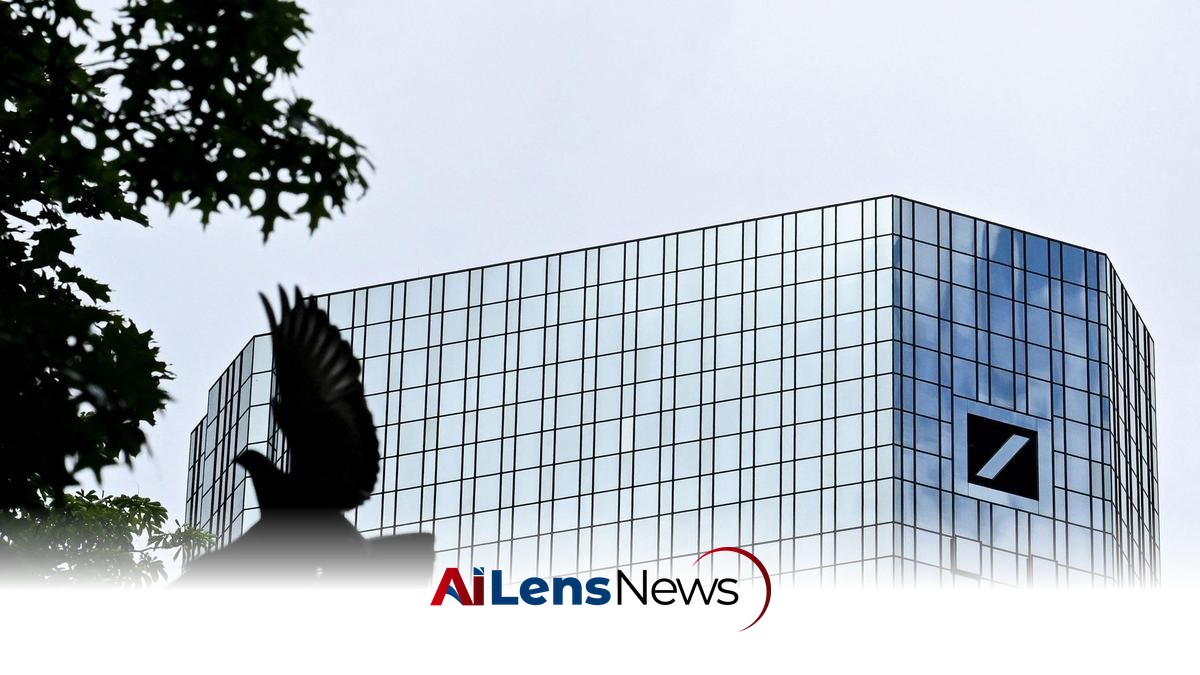


Deutsche Bank sells its retail banking operations in India to Kotak Mahindra Bank, refocusing on core services while strengthening Kotak's market position.
New Delhi, India Jul 2, 2026 ALN: The story so far: Kotak Mahindra Bank has agreed to acquire Deutsche Bank’s retail banking, affluent private banking, and wealth management operations in India for ₹281 crore. This transaction is significant as it will strengthen Kotak Mahindra Bank’s position in the retail and wealth management segments, while allowing Deutsche Bank to concentrate on its core institutional and corporate banking operations.
The acquisition encompasses Deutsche Bank India’s retail banking, affluent private banking, and wealth management services. These operations serve approximately 150,000 customers and are supported by a workforce of nearly 1,000 employees. The deal marks a pivotal moment in the Indian banking sector, reflecting both the competitive nature of the market and the strategic realignments of major financial institutions.
By acquiring Deutsche Bank’s retail operations, Kotak Mahindra Bank is poised to enhance its market share in the competitive Indian banking landscape. The integration of Deutsche Bank’s customer base and services will likely provide Kotak with a broader portfolio and increased customer engagement. This acquisition is expected to allow Kotak Mahindra Bank to leverage Deutsche Bank’s established relationships and service offerings, which could lead to improved customer retention and acquisition rates.
This move aligns with Kotak's strategy to expand its retail banking footprint and enhance its wealth management offerings, which have become increasingly important in a growing economy where affluent customers seek personalized banking solutions. As the Indian economy continues to show signs of growth, particularly in sectors such as technology and manufacturing, the demand for sophisticated banking products tailored to high-net-worth individuals is likely to increase. Kotak's acquisition positions it well to meet this demand and capitalize on emerging market opportunities.
Moreover, Kotak Mahindra Bank has been known for its focus on innovative banking solutions, and integrating Deutsche Bank’s offerings could lead to the development of new products that cater specifically to the affluent segment. The bank's existing infrastructure and technological capabilities may facilitate a smoother integration process, allowing for a quicker realization of synergies.
Furthermore, Kotak Mahindra Bank's reputation for customer service and digital banking innovation may enhance the customer experience for those transitioning from Deutsche Bank. The bank has invested significantly in technology, aiming to create a seamless banking experience through digital platforms. This acquisition could provide an opportunity to introduce advanced digital solutions that resonate with the preferences of a younger, tech-savvy clientele.
For Deutsche Bank, this divestiture marks a strategic shift towards focusing on its core competencies. The decision to exit the retail banking sector in India reflects a broader trend among international banks reassessing their operations in emerging markets. Over the past few years, several global financial institutions have reevaluated their presence in India, often opting to streamline their operations to focus on more profitable segments.
The exit from retail banking allows Deutsche Bank to allocate resources more effectively towards institutional and corporate banking, where it has established a stronger foothold. This transition is expected to improve operational efficiency and profitability, as the bank can concentrate on areas with higher margins and growth potential. By divesting its retail operations, Deutsche Bank can also reduce operational complexities and risks associated with maintaining a diverse portfolio in a challenging market environment.
This strategic realignment is not unique to Deutsche Bank; many international banks have been recalibrating their strategies in response to changing market dynamics, regulatory challenges, and evolving customer preferences. The increased competition in the Indian banking sector, coupled with the rapid digital transformation, has made it imperative for banks to focus on their strengths and core areas of expertise.
Additionally, Deutsche Bank's exit from retail banking could signal a shift in how international banks perceive the Indian market. While India presents significant growth potential, it also poses challenges such as regulatory hurdles, intense competition, and a rapidly evolving customer landscape. By concentrating on corporate and institutional banking, Deutsche Bank may be better positioned to harness its global expertise and cater to large enterprises and institutional clients that require specialized financial services.
The market has reacted positively to the news, with analysts suggesting that Kotak Mahindra Bank's acquisition could lead to increased profitability in the long run. The consolidation of services and customer bases is expected to create synergies that will benefit both banks. Analysts have noted that Kotak's ability to integrate Deutsche Bank’s operations effectively will be critical to realizing these synergies. If successful, this acquisition could enhance Kotak's competitive edge in the Indian banking sector.
As the Indian banking sector continues to evolve, this acquisition could set a precedent for further consolidation in the industry. Other banks may follow suit, seeking to enhance their competitive positions through similar strategic moves. The trend towards consolidation may also lead to a more concentrated banking landscape, which could have implications for competition, customer choice, and service delivery in the long term.
Additionally, the growing emphasis on digital banking and fintech solutions is likely to play a significant role in shaping the future of the industry. As banks look to modernize their operations and meet the expectations of tech-savvy consumers, strategic acquisitions like Kotak’s may become increasingly common. The integration of Deutsche Bank’s digital capabilities could further enhance Kotak’s offerings and customer experience, positioning it favorably in the digital banking space.
Moreover, Kotak Mahindra Bank's focus on sustainable banking practices and ESG (Environmental, Social, and Governance) criteria may attract a new demographic of socially conscious customers. By merging Deutsche Bank's operations, Kotak can potentially enhance its reputation in the market as a responsible banking institution, which is increasingly important to consumers today.
The acquisition of Deutsche Bank’s retail operations by Kotak Mahindra Bank is a significant development in the Indian banking sector. It not only strengthens Kotak's market position but also allows Deutsche Bank to refocus on its core operations, highlighting a strategic shift in the competitive landscape of banking in India. As both banks navigate the complexities of this transition, the implications of this acquisition will likely resonate throughout the industry, influencing future strategic decisions and shaping the direction of banking in India.
This transaction may also serve as a catalyst for other banks to reassess their operational strategies in light of changing market conditions. The evolving landscape of Indian banking, characterized by rapid digitalization and shifting customer preferences, will require banks to be agile and proactive in their approach. As the industry adapts to these changes, the focus on core competencies will become increasingly essential for sustaining growth and profitability in the long term.
To learn more about the latest developments in Corporate & Industry Insights, stay updated with our exclusive reports and analyses on AiLensNews.

