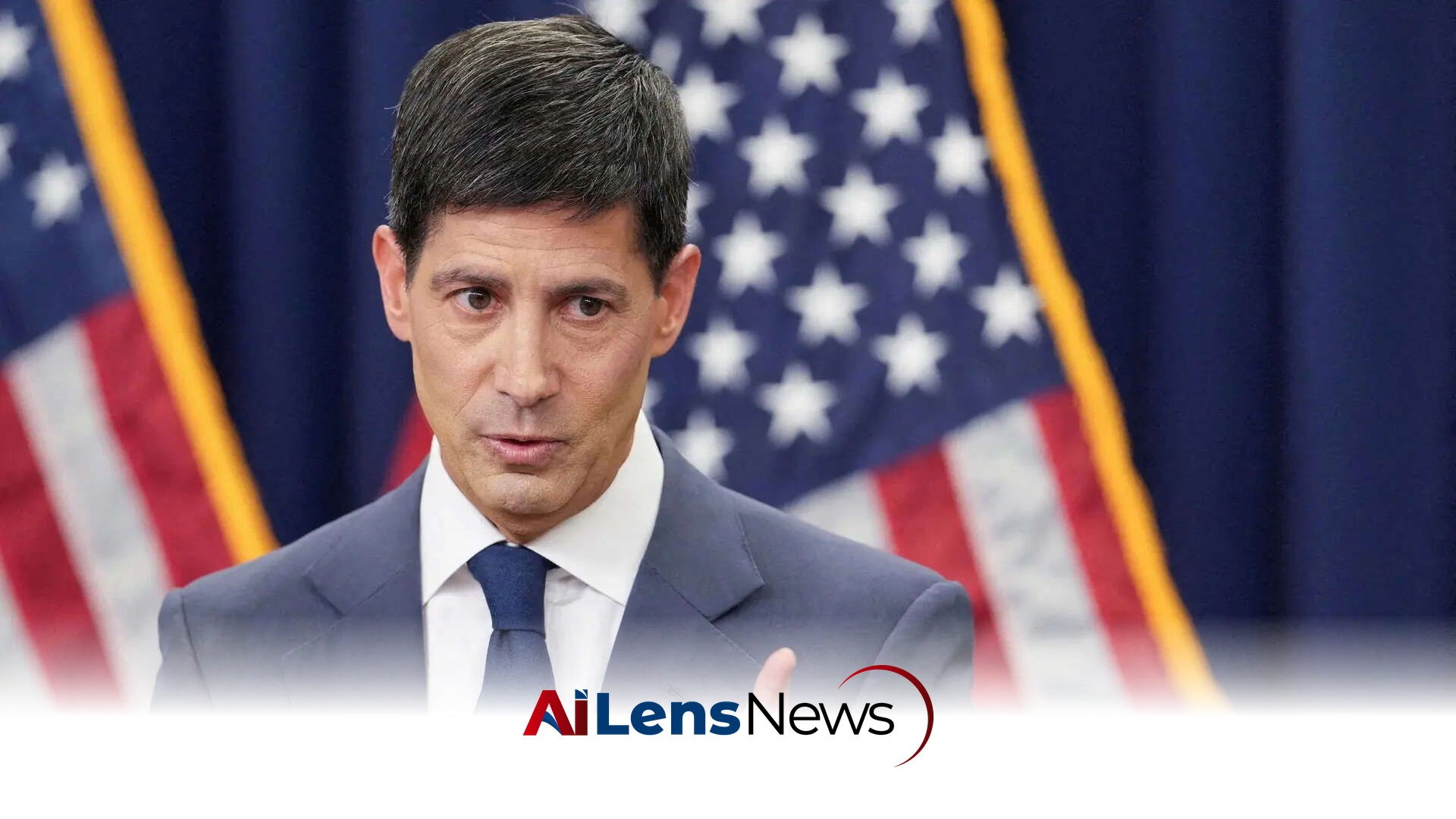


Federal Reserve Chairman Kevin Warsh has assembled a team of fifteen external experts to lead reform task forces, aiming for significant institutional changes by year-end.
New Delhi, India Jul 10, 2026 ALN: In a politically polarized environment, Federal Reserve Chairman Kevin Warsh has made a notable choice by appointing a diverse team of fifteen external experts to spearhead reform task forces. This group, which includes both foreign central bankers and former officials from the Obama administration, has received strong initial reviews for its emphasis on expertise, particularly at a time when other independent U.S. agencies are losing such resources. The composition of this task force is significant, as it reflects a blend of international experience and domestic policy insight, which could prove crucial in navigating the complex landscape ahead.
The Federal Reserve, as highlighted in recent U.S. Supreme Court rulings, has been exempted from the blanket authority granted to President Donald Trump to dismiss members of independent agencies. This exemption allows Warsh to operate without the constant threat of dismissal for disagreements with Trump or his supporters. Amidst a week where Trump dismissed members of the independent Election Assistance Commission and engaged in contentious discussions with NATO members, Warsh announced the appointment of his task force, which includes five foreign-born experts, such as the former heads of central banks from Brazil, England, and India, alongside two former Obama appointees. This diverse representation is not only a strategic choice but also underscores the increasing interconnectedness of global economies and the need for the Federal Reserve to engage with international perspectives.
While the task force also features prominent figures like tech investor Marc Andreessen, its overall composition is viewed as an A-list group, reflecting Warsh's inclinations. This team is seen as more evolutionary than revolutionary, contrasting with Warsh's earlier promises of a “regime change” upon taking office. The selection of members indicates a preference for gradual reform over abrupt changes, which may be a strategic decision to ensure broader acceptance of any new policies developed by the task force.
Neil Dutta, head of Renaissance Macro Research, remarked, "We're talking about serious, respected people that will likely buoy the chair's credibility with his own colleagues," even though some members may be ideologically aligned with Warsh's skepticism regarding the Fed's large balance sheet and forward guidance on interest rates. This highlights a potential tension within the task force, as differing views on monetary policy could influence the group’s effectiveness in proposing changes. The balance between innovation and tradition will be critical as the task force navigates its objectives.
However, not all task force members share the same views. Former Fed Governor Jeremy Stein, a 2012 Obama appointee, has argued that large Fed holdings can enhance financial stability. Some panels will focus less on policy debates and more on improving the data the Fed uses to set monetary policy. Warsh sees potential for advancements through new technologies, a position likely to find consensus within the Fed, although discussions about funding and verifying new data initiatives may pose challenges. The integration of technology into the Fed’s operations could lead to more accurate assessments and more responsive monetary policy, but it also raises questions about the security and reliability of such systems.
Members of the task forces have indicated that it is too early to comment on their specific plans, as the Fed's announcement did not provide details about the process. Historically, major shifts in Fed strategy have been overseen by internal committees, such as the introduction of formal inflation targeting in 2012. The Warsh review appears to be another variation of this approach, suggesting that while external expertise is being sought, the core decision-making processes will remain largely internal. This reflects a cautious approach to reform, ensuring that any changes are consistent with the Fed's established practices and principles.
Much like Warsh's previous task at the Bank of England in 2013, which involved reviewing communication and public disclosure policies, this review seeks to operate independently, with a mandate to follow the evidence. However, it remains unclear how the Fed's seven governors and twelve Reserve Bank presidents will engage in this process, which is expected to conclude by the end of the year. The collaboration between the task force and the existing Fed leadership will be crucial, as the success of the reform initiatives will depend on the ability to foster a cooperative environment.
Policymakers already hold strong opinions on issues such as the Fed's balance sheet reduction and the extent to which it can retreat from communicating information without undermining its legitimacy. Suggested changes in communication practices last year faced internal resistance, highlighting the complexities of achieving consensus within the Fed. The challenge of balancing transparency with the need for strategic ambiguity in monetary policy will be a focal point for the task force, as effective communication is essential for maintaining market confidence and managing public expectations.
Krishna Guha, a former New York Fed staffer and current vice chair at Evercore ISI, described the task force appointees as "a serious and broadly balanced group that will be taken seriously by the market, Fed staff, and members of the FOMC." He views this as a positive initial step toward institutional and policy reform, although he cautions that Warsh's colleagues will have significant input in any consequential changes, typically requiring near-unanimous consent within the Fed. This dynamic underscores the importance of collaboration and consensus-building in the Fed's decision-making process, particularly when it comes to implementing reforms that could have far-reaching implications for the U.S. economy.
Even with an impressive group leading the independent task forces, the current FOMC, which includes members with deep expertise in areas like the balance sheet and policy communication, is unlikely to simply adopt the proposals put forth by external experts. The interplay between internal and external perspectives will be critical in shaping the future direction of the Federal Reserve's policies. As the task force moves forward, the ability to integrate diverse viewpoints while maintaining a cohesive strategy will be essential for achieving meaningful reform.
In conclusion, while the formation of Warsh's task force represents an ambitious step towards reforming the Federal Reserve, the path ahead will require careful navigation of both internal dynamics and external pressures. The success of this initiative will depend not only on the expertise of its members but also on the willingness of the Federal Reserve's leadership to embrace change and adapt to the evolving landscape. As the task force begins its work, all eyes will be on how it balances innovation with the need for stability in monetary policy, reflecting the broader challenges facing central banks in an increasingly complex global economy.
To learn more about the latest developments in Corporate & Industry Insights, stay updated with our exclusive reports and analyses on AiLensNews.

