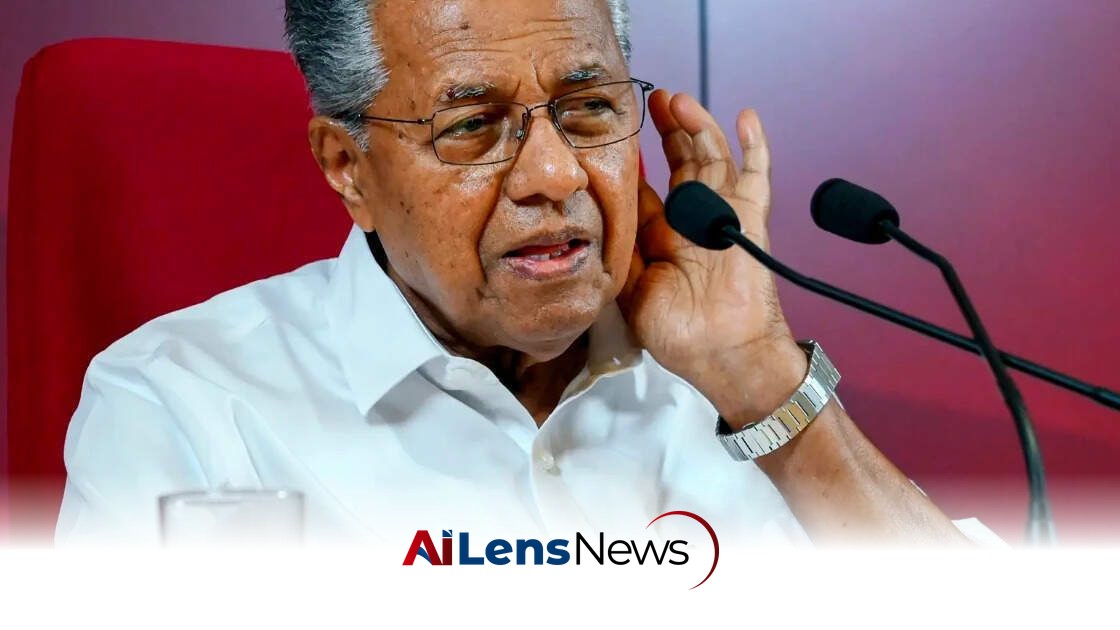


Opposition leader Pinarayi Vijayan has urged SEBI to intervene in Adani Group's proposed stake transfer in the Vizhinjam port project, citing violations of the concession agreement.
New Delhi, India Jul 4, 2026 ALN: Kannur (Kerala): Leader of the Opposition Pinarayi Vijayan on Saturday stated that he has written to the Securities and Exchange Board of India (SEBI) and the stock exchanges, seeking intervention regarding the Adani Group's proposed transfer of a 49% stake in the Vizhinjam port project. Vijayan alleges that this move violates the concession agreement with the Kerala government, which mandates prior approval for significant shareholding changes.
Recently, Adani Ports and Special Zone (APSEZ) announced that the Mediterranean Shipping Company (MSC) would acquire a 49% stake in Adani Vizhinjam Port Private Limited (AVPPL) for approximately USD 1.4 billion. This announcement has raised eyebrows, particularly given the strategic importance of the Vizhinjam port, which is envisioned as a key player in enhancing India's maritime infrastructure and boosting trade.
Addressing reporters, Vijayan claimed that the proposed transaction not only breaches the concession agreement but also raises concerns regarding public interest and national security. He stated, "When all aspects of the matter are examined, it appears that there was a well-planned and premeditated commercial strategy behind these developments." This assertion reflects a broader apprehension regarding the governance of critical infrastructure projects, especially when they involve substantial foreign investment and potential shifts in ownership.
According to Vijayan, the SEBI (Listing Obligations and Disclosure Requirements) Regulations, 2015 require transparent disclosure of all material information related to such transactions. He emphasized that the facts suggest these developments were not communicated to SEBI and the relevant authorities transparently at the appropriate stage. The lack of transparency in financial dealings, particularly in public infrastructure projects, can lead to a loss of public trust and raise questions about the accountability of both private companies and government entities involved.
Vijayan's letter to SEBI and the stock exchange authorities requests intervention in the matter, citing the need for an explanation from the Adani Group regarding the proposed share transfer and appropriate action if any violations are found. This highlights the critical role of regulatory bodies in maintaining market integrity and ensuring that all stakeholders adhere to established legal frameworks.
The former chief minister alleged that while the Adani Group informed SEBI about the proposed share transfer, it did not inform the Kerala government nor obtain its prior approval, as required under the concession agreement. Referring to Clause 5.3.1 of the agreement, Vijayan noted that any transfer of ownership or more than 25% of the shareholding requires prior approval from the state government. This clause underscores the importance of state oversight in projects that have significant implications for local economies and communities.
Vijayan stated, "This is not merely a technical issue. The state government has the right to examine the necessity and implications of such a transfer. The question is how the Adani Group is proceeding with this move without following the prescribed procedure." His comments reflect a growing concern among political leaders about the need for accountability and transparency in major infrastructure projects, especially those involving public funds and resources.
He highlighted that the government must safeguard the interests of the people, especially since the Vizhinjam project is considered Kerala's flagship infrastructure project built with substantial public funds. "The money invested in the project belongs to the people of Kerala. The key concern is whether the interests of the people are being adequately protected," he said. This emphasis on public interest is crucial, as it resonates with the sentiments of local communities who may feel the effects of such large-scale investments and ownership changes.
Vijayan also sought clarification from Chief Minister VD Satheesan on whether the government had received a letter from the Adani Group regarding the proposed share transfer. He pointed out that the Ports Department, the Law Department, and the Finance Department all play a role in such matters. This inquiry highlights the complexity of governance in infrastructure projects, where multiple government departments must coordinate to ensure compliance with legal and regulatory frameworks.
He raised concerns about how the Adani Group felt confident to proceed with such a move without informing the government in advance, suggesting that this raises grave suspicions. He noted that while the Chief Minister stated in the Assembly that no communication had been received, subsequent media reports indicated that the company had indeed written to the Chief Minister and the state government. This contradiction between official statements and media reports can further complicate public perception and trust in the government's handling of the issue.
Vijayan questioned whether the proposed transaction effectively amounts to a change in ownership, reiterating that Clause 5.3 of the concession agreement clearly stipulates that such a move cannot occur without prior approval from the state government. The implications of such a change in ownership are significant, as they could affect the operational dynamics of the port and its future development trajectory.
He also referred to Congress leader Rahul Gandhi's past criticisms of the Adani Group and Prime Minister Narendra Modi, highlighting concerns regarding strategic infrastructure projects being handed over to the business firm. This criticism reflects a broader narrative in Indian politics regarding the relationship between large corporations and government policies, especially in sectors deemed critical to national interests.
Vijayan clarified that his objection was not directed at MSC itself, noting that the global shipping major is among the world's largest shipping companies and has been operating at Vizhinjam. However, he cautioned that the acquisition of a significant ownership stake by such a company could lead to a monopolistic structure at the port, discouraging competition and affecting its long-term development. This concern about monopolistic practices is particularly relevant in the context of global trade, where competition can drive innovation and improve service delivery.
In conclusion, the ongoing developments surrounding the Vizhinjam port project and the proposed stake transfer by the Adani Group to MSC raise critical questions about regulatory oversight, transparency, and the safeguarding of public interests in infrastructure projects. As the situation unfolds, it will be essential for all stakeholders, including government authorities, regulatory bodies, and the private sector, to engage in constructive dialogue to address these concerns and ensure that the project serves the best interests of the people of Kerala.
To learn more about the latest developments in Corporate & Industry Insights, stay updated with our exclusive reports and analyses on AiLensNews.

