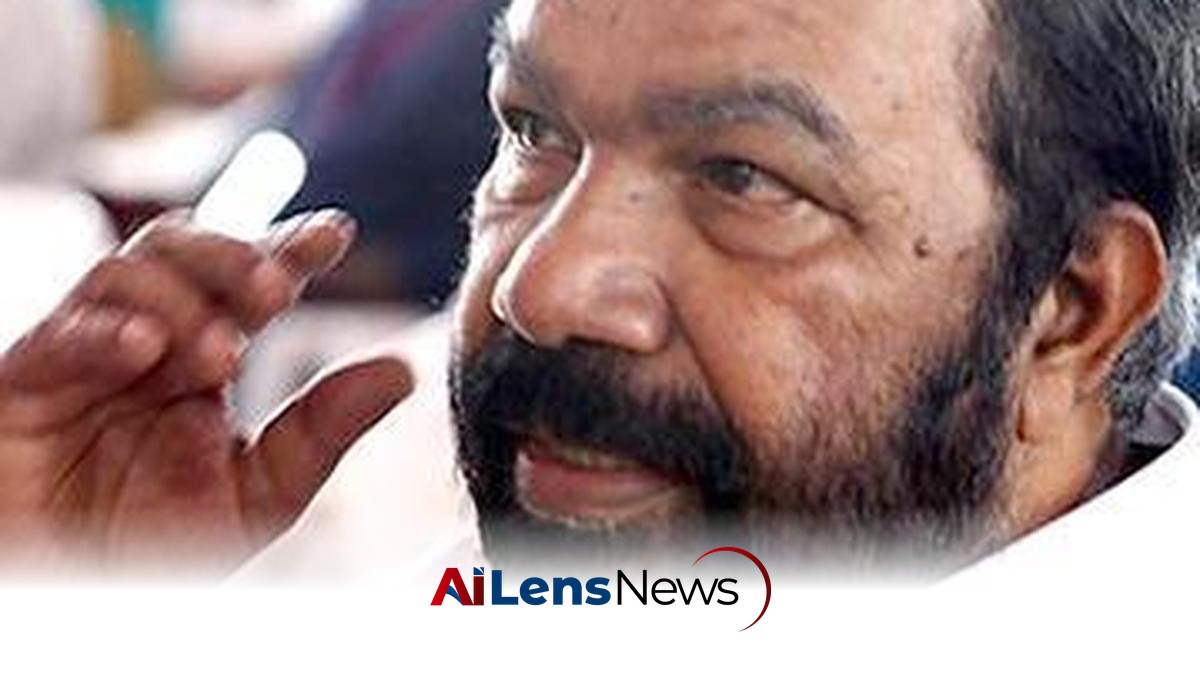


V. Sivankutty condemns Kerala CM's comments on migrant workers, arguing they undermine their contributions to the state's economy and labor culture.
New Delhi, India Jul 5, 2026 ALN: Former Labour Minister and CPI(M) leader V. Sivankutty has strongly objected to Kerala Chief Minister V.D. Satheesan’s recent observation that large amounts of money earned in Kerala are flowing to other States through ‘reverse remittances’ and that migrant workers contribute mainly to the State economy through taxes generated from liquor consumption.
According to Mr. Sivankutty, such remarks unfairly insult migrant workers and portray them as an economic burden. "Migrant workers leave their homes and families to undertake difficult work in Kerala and receive only the legally due wages for their labour. Moreover, key sectors such as construction, infrastructure development and agriculture depend heavily on their contribution," Mr. Sivankutty said at a press conference in Thiruvananthapuram on Sunday (July 5, 2026).
The debate surrounding migrant workers in Kerala is not just a matter of economic contribution but also touches on broader social and cultural dynamics within the state. Kerala has a long history of migration, both in terms of its residents seeking employment abroad and the influx of workers from other states. This two-way flow of labor has significantly shaped the demographic and economic landscape of the state.
Historically, Kerala has been a hub for expatriate workers, particularly in the Gulf countries, where many Keralites have found employment in various sectors, sending back substantial remittances that bolster the state's economy. According to various studies, these remittances have played a crucial role in reducing poverty and improving living standards within Kerala. This reliance on remittances from Keralite expatriates highlights the importance of migration as a beneficial economic factor.
On the other hand, the influx of migrant workers from other states, particularly from regions like Uttar Pradesh, Bihar, and West Bengal, has been essential for meeting the labor demands in sectors where local labor is insufficient. These workers often take on low-paying, labor-intensive jobs in construction, agriculture, and domestic work, which are vital for the state's development. Sivankutty's remarks emphasize that these workers should not be seen as a burden but rather as integral contributors to the state's economy.
Mr. Sivankutty further pointed out that the previous Left Democratic Front (LDF) had consciously recognized them as "guest workers" and implemented several welfare and protection measures for their benefit. This includes initiatives aimed at improving working conditions, providing access to healthcare, and ensuring fair wages. The LDF's approach reflects a more inclusive understanding of the role that migrant workers play in Kerala's socio-economic framework.
In contrast, the current remarks by Chief Minister Satheesan have sparked concerns about a shift in the narrative surrounding migrant workers, potentially fostering a divisive atmosphere. Drawing a comparison with Keralite expatriates, the CPI(M) leader pointed out that the State’s economy itself depends substantially on remittances sent home by Keralites working across the world. While the State proudly celebrates its people finding employment elsewhere, it is contradictory to portray workers coming to Kerala from other States as an economic liability. Every Indian citizen, he said, has a constitutional right to work anywhere in the country and receive lawful wages.
The remarks made by the Chief Minister also raise questions about the broader implications for social cohesion in Kerala. The state has historically prided itself on its inclusive labor culture, which has been a source of strength in its socio-economic development. Attempts to divide workers along regional or ethnic lines, as Mr. Sivankutty asserts, could undermine this longstanding tradition and lead to tensions between different groups within the workforce.
Moreover, the economic contributions of migrant workers extend beyond immediate financial transactions. They also play a significant role in enriching the cultural fabric of Kerala, bringing diverse perspectives, skills, and experiences that contribute to the state's vibrant society. This cultural exchange is vital in a globalized world where interconnectedness is increasingly important.
Asserting that attempts to divide workers along regional or ethnic lines went against Kerala’s labor culture, Mr. Sivankutty demanded that the Chief Minister withdraw and correct his remarks immediately. The call for a retraction underscores the need for political leaders to be mindful of their rhetoric, especially in a state that has successfully integrated diverse populations into its socio-economic framework.
The issue of migrant workers in Kerala is complex and multifaceted, involving economic, social, and political dimensions. As the state navigates these challenges, it is crucial for leaders to foster an environment of inclusivity and respect for all workers, regardless of their origin. The ongoing dialogue surrounding this topic will likely continue to evolve, reflecting the changing dynamics of labor and migration in contemporary Kerala.
In recent years, Kerala has seen a significant increase in the number of migrant workers, which has led to various discussions about their rights, living conditions, and contributions to local economies. The state government has implemented several policies aimed at improving the conditions for these workers, recognizing their vital role in the state's growth. However, the remarks made by the Chief Minister may signal a shift in this approach, raising concerns among advocates for migrant rights.
The socio-economic fabric of Kerala is intricately woven with the contributions of migrant workers. Their presence has not only filled labor shortages but has also contributed to the cultural diversity of the state. The blending of different cultures has resulted in a unique socio-cultural milieu that is celebrated in various festivals, culinary practices, and community interactions. The contributions of these workers extend to the arts, education, and even local governance, where their voices and experiences can enrich discussions and decision-making processes.
Furthermore, the relationship between local and migrant workers is nuanced. While there are instances of competition for jobs, many local residents also recognize the importance of migrant workers in sustaining the economy. This interdependence is crucial for maintaining harmony and ensuring that all workers, regardless of their origin, can thrive in a collaborative environment. The potential for conflict arises when political rhetoric frames migrant workers as outsiders or as a burden, which can lead to xenophobia and social unrest.
It is essential for political leaders to engage in constructive dialogue that acknowledges the contributions of all workers to the state's economy. This includes recognizing the sacrifices made by migrant workers who often leave their families behind to seek better opportunities. Their hard work and resilience should be celebrated rather than vilified. The focus should shift towards creating a more inclusive society that values the contributions of all its members, fostering cooperation rather than division.
As Kerala moves forward, it is imperative to address the misconceptions surrounding migrant workers and promote a narrative that highlights their positive impact on the state's socio-economic landscape. This includes advocating for policies that protect their rights, improve their living conditions, and ensure they are treated with dignity and respect. The ongoing conversation about migrant workers is not just about labor economics; it is about recognizing the humanity of those who contribute to the state’s growth and prosperity.
In conclusion, the remarks made by Chief Minister V.D. Satheesan have opened up a critical dialogue about the role of migrant workers in Kerala. As the state grapples with its identity in a rapidly changing socio-economic landscape, it is crucial to embrace a narrative that fosters unity and inclusivity. Political leaders must recognize the value of every worker, regardless of their origin, and work towards building a society that honors the contributions of all its members. The future of Kerala depends on its ability to integrate diverse populations and create a harmonious environment where everyone can thrive together.
To learn more about the latest developments in Corporate & Industry Insights, stay updated with our exclusive reports and analyses on AiLensNews.

