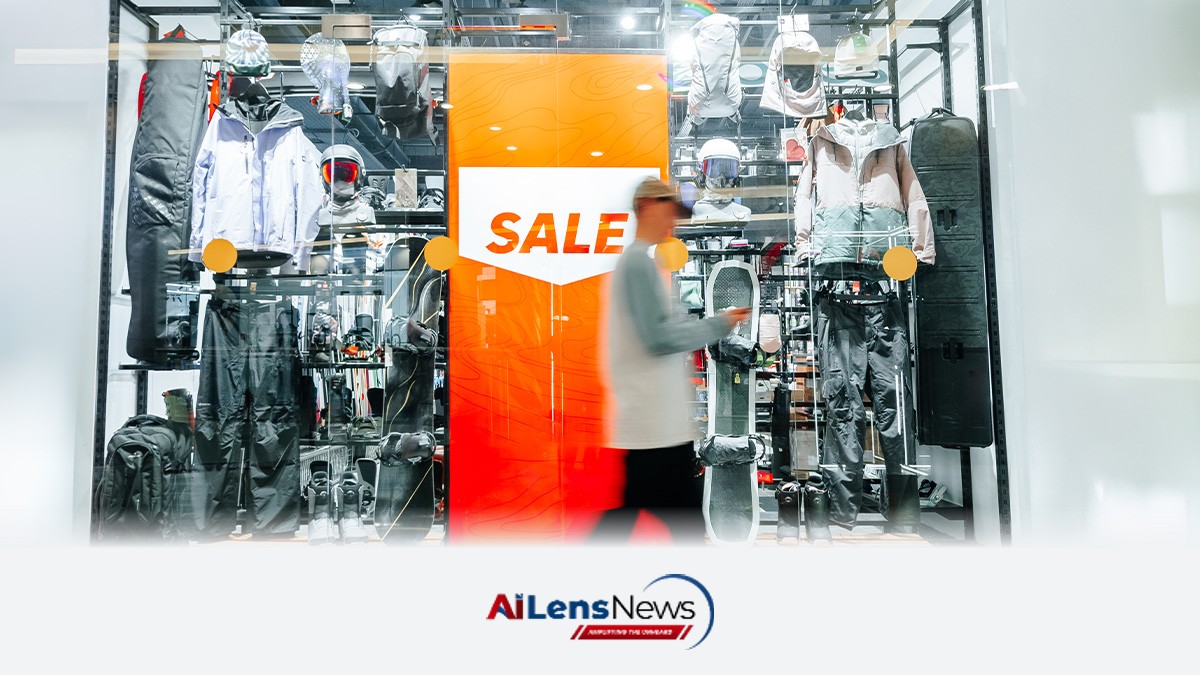



As e-commerce rises, physical stores are redefining their purpose by enhancing customer experiences that online platforms can't offer. Research shows that strategic investments in physical locations can boost overall revenue.
Washington DC, United States Aug 23, 2026 ALN: One could be forgiven for concluding that the physical store is in terminal decline. Vacant storefronts remain a common sight on many high streets, and e-commerce continues to capture a growing share of consumer spending. Yet some of retail’s fastest-growing companies are not retreating from physical stores; they are opening them at an accelerating pace. This duality in the retail landscape raises important questions about the future of physical stores and their role in a predominantly digital economy.
The rise of e-commerce has fundamentally altered consumer behavior. With the convenience of online shopping, consumers can browse, compare, and purchase products from the comfort of their homes. This shift has led to a significant decline in foot traffic for many brick-and-mortar stores, causing some retailers to close locations or downsize. However, as shopping becomes increasingly digital, the role of physical stores is shifting from simply completing transactions to solving customer problems that online channels cannot address. This evolution is crucial for retailers looking to remain competitive in a landscape dominated by digital alternatives.
Research on multi-brand retailers indicates that stores create the most value when leaders define a clear purpose for each location, invest selectively in product categories where in-person experiences matter most, and evaluate performance across the entire customer journey rather than by channel-specific sales. This strategic approach allows retailers to leverage the unique advantages of physical spaces while still acknowledging the importance of digital platforms.
Experience-centric stores can increase total revenue even while reducing online purchases, provided they deepen customer relationships, encourage more frequent buying, and complement digital channels instead of competing with them. The most successful retailers organize physical investments around enterprise-wide customer value rather than the performance of individual channels. This means that rather than viewing online and offline sales as separate entities, retailers must see them as interconnected parts of a holistic customer experience.
For instance, many retailers are now using their physical locations as showrooms or experiential spaces where customers can interact with products in ways that online shopping cannot replicate. This could involve allowing customers to test products, receive personalized consultations, or attend workshops and events. Such experiences not only enhance customer engagement but also foster brand loyalty, which is increasingly essential in a crowded marketplace.
Moreover, the integration of technology into physical stores is becoming more prevalent. Retailers are using augmented reality, interactive displays, and mobile apps to enhance the in-store experience. These technologies can provide customers with additional information about products or facilitate seamless transactions, bridging the gap between digital and physical shopping. As technology continues to advance, it is likely that the physical store will evolve further, becoming a hub for innovation and customer interaction.
In conclusion, as the retail landscape evolves, physical stores must adapt by enhancing their roles in customer engagement and experience. By doing so, they can thrive alongside the growing dominance of e-commerce. The future of retail may not be a battle between physical and digital but rather a symbiotic relationship where each channel enhances the other. As consumers continue to seek convenience, personalization, and unique experiences, retailers who embrace this shift and redefine the purpose of their physical stores will likely find success in an increasingly competitive market.
Furthermore, the implications of this evolution extend beyond just individual retailers. The transformation of physical retail spaces can have significant impacts on local economies and urban development. Vibrant retail environments can contribute to community engagement and social interaction, fostering a sense of belonging among residents. As such, the future of physical retail is not only about survival but also about contributing positively to the social fabric of communities.
Ultimately, the physical store's evolution in a digital economy presents both challenges and opportunities. Retailers must be willing to innovate and adapt to changing consumer preferences while also recognizing the enduring value of in-person interactions. The ability to create memorable experiences, build relationships, and offer unique value propositions will be critical for retail success in the years to come.
To learn more about the latest developments in Financial Literacy, stay updated with our exclusive reports and analyses on AILensNews.

