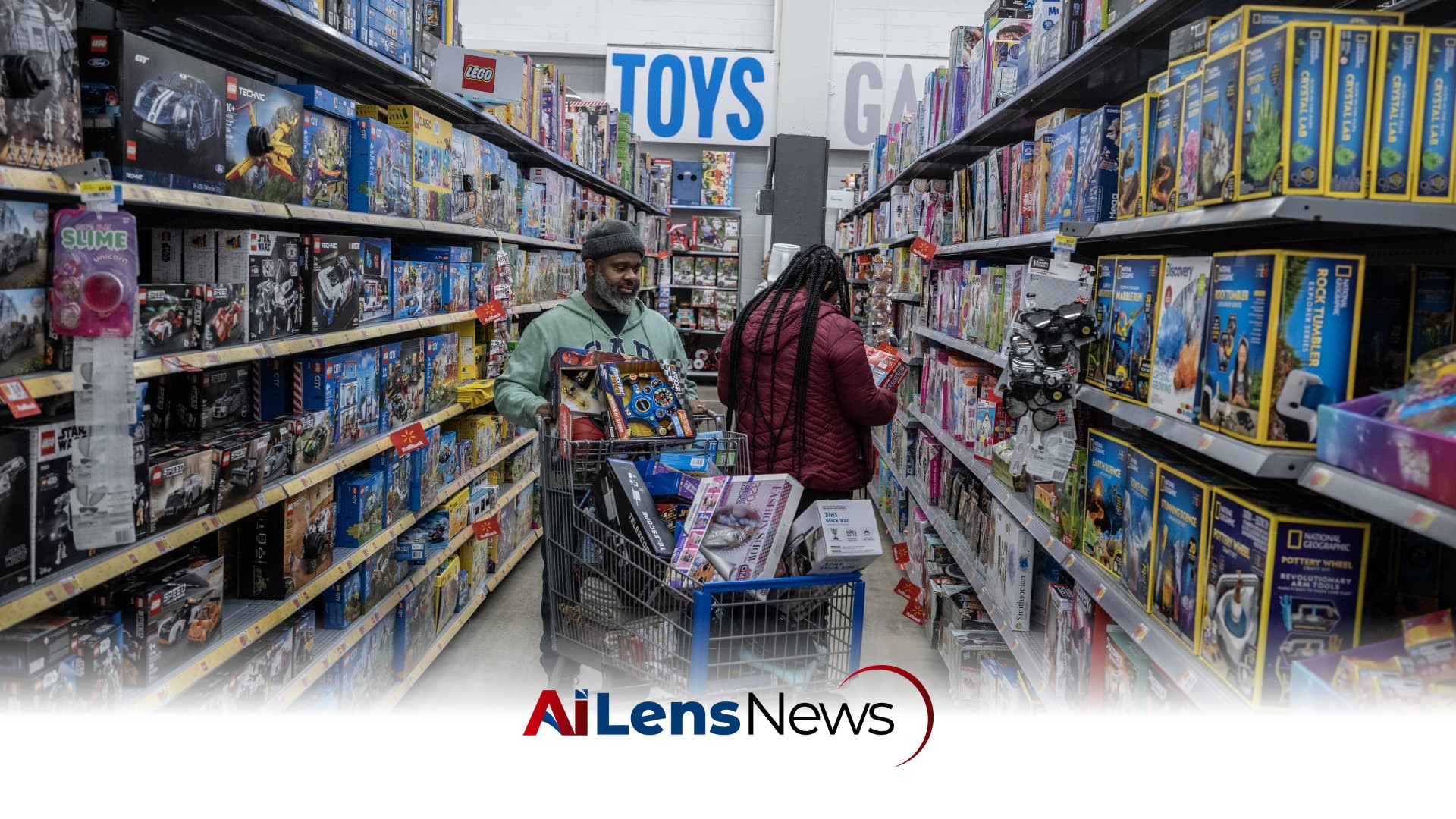


Toy manufacturers Mattel and Hasbro have reduced their 2024 sales forecasts as third-quarter toy sales continue to decline ahead of the holiday season.
Washington DC, United States Oct 24, 2024 ALN: Toy giants Mattel and Hasbro have recently announced a reduction in their sales forecasts for 2024, signaling concerns over the ongoing decline in toy sales as they approach the crucial holiday season. This announcement comes at a time when both companies are grappling with significant shifts in consumer behavior and market dynamics, which have prompted them to reassess their strategies and expectations for the upcoming year.
Both companies have reported a significant drop in sales during the third quarter, prompting them to adjust their guidance for the upcoming year. The toy industry, which traditionally sees a surge in sales during the holiday period, is facing challenges that have led to this cautious outlook. The decline in sales figures is not an isolated incident; rather, it reflects a broader trend affecting the entire toy industry, which has been grappling with a range of issues that extend beyond mere seasonal fluctuations.
In their latest earnings reports, Mattel and Hasbro highlighted several factors contributing to the downturn in sales. Consumer spending habits have shifted, with many families prioritizing essential goods over toys. This shift can be attributed to various economic factors, including inflationary pressures that have increased the cost of living, leading families to tighten their budgets. As a result, discretionary spending on non-essential items, such as toys, has seen a noticeable decline.
According to industry analysts, the economic landscape has changed dramatically in recent years, with inflation rates reaching levels not seen in decades. This has led to increased prices for everyday goods, forcing families to make difficult choices about their spending. The impact of inflation is particularly pronounced among lower and middle-income families, who may have once allocated a portion of their budget to toys but are now focusing on necessities such as food and housing.
Additionally, increased competition from digital entertainment options has further impacted traditional toy sales. The rise of video games, mobile apps, and streaming services has provided children with alternative forms of entertainment that do not require physical toys. This digital shift has changed the landscape of play, making it more challenging for traditional toy manufacturers to capture the attention and spending of young consumers. The prevalence of smartphones and tablets has made it easier for children to access a wide array of entertainment options, often at little or no cost.
Moreover, the COVID-19 pandemic has had lasting effects on consumer behavior, with many families having adapted to new forms of entertainment that do not involve physical toys. The increased screen time during lockdowns has led to a preference for digital play experiences, which has further eroded the market share of traditional toy companies. The pandemic also accelerated the trend of online shopping, with many consumers becoming accustomed to purchasing products from the comfort of their homes, thereby shifting the dynamics of retail.
The decline in sales has raised concerns among investors and analysts regarding the financial health of both companies. Mattel and Hasbro have been proactive in addressing these challenges by exploring new product lines and marketing strategies aimed at revitalizing interest in their brands. For instance, both companies have begun to focus on incorporating popular characters from movies and television shows into their product lines, hoping to leverage existing fan bases to drive sales. This strategy is particularly important given the success of franchises like Marvel and Disney, which have proven to be lucrative sources of inspiration for toy lines.
In addition to new product lines, both companies have also been investing in marketing campaigns that emphasize the importance of play and creativity in child development. By positioning their products as essential tools for learning and growth, they aim to appeal to parents who are increasingly concerned about the developmental impacts of screen time on their children. This approach not only seeks to differentiate their offerings but also aligns with a growing trend among parents who prioritize educational value in the toys they purchase.
Despite these efforts, the financial implications of declining sales are significant. Both companies may face pressure on their profit margins, which could lead to cost-cutting measures, including potential layoffs or reductions in marketing budgets. This could create a vicious cycle, where reduced marketing efforts lead to further declines in brand visibility and sales. Furthermore, analysts warn that if the current trends continue, both companies may need to reevaluate their long-term strategies, possibly considering mergers or acquisitions to consolidate their positions in the market.
As the holiday season approaches, both companies are focusing on promotional strategies to attract consumers. Special discounts and limited-edition products are expected to be key components of their marketing efforts. However, the effectiveness of these strategies remains to be seen, given the current market conditions. The holiday season is traditionally a critical period for toy sales, and both companies will need to make significant efforts to capture consumer interest during this time.
In an attempt to regain market share, Mattel and Hasbro may also explore partnerships with retailers to create exclusive product offerings that can drive foot traffic to stores. Collaborations with popular franchises or influencers could also play a role in boosting brand visibility and attracting customers. However, the competitive landscape means that these efforts must be carefully planned and executed to stand out in a crowded market.
Moreover, both companies are likely to face challenges related to supply chain disruptions that have been prevalent in recent years. Ensuring that products are available in stores and online during the peak shopping season will be crucial for capturing sales. Any delays or shortages could further exacerbate the financial challenges they are currently facing. The toy industry, like many others, has been affected by global supply chain issues, which have caused delays in production and distribution.
The adjustments made by Mattel and Hasbro reflect broader trends in the toy industry, where changing consumer preferences and economic factors are reshaping the landscape. As they prepare for the holiday season, the companies will need to navigate these challenges carefully to regain momentum in a competitive market. The outcome of their strategies will not only impact their financial performance in the short term but could also have longer-term implications for their brand positioning and market share in the evolving toy industry.
Ultimately, the future of Mattel and Hasbro will depend on their ability to adapt to the changing dynamics of consumer behavior, the competitive landscape, and the economic environment. As they face these challenges, the toy industry as a whole may need to rethink its approach to engaging with consumers and finding innovative ways to remain relevant in an increasingly digital world. The potential for innovation in product design and marketing strategies will be crucial for these companies as they work to reclaim their positions in a market that is rapidly evolving.
To learn more about the latest developments in Corporate & Industry Insights, stay updated with our exclusive reports and analyses on AiLensNews.

