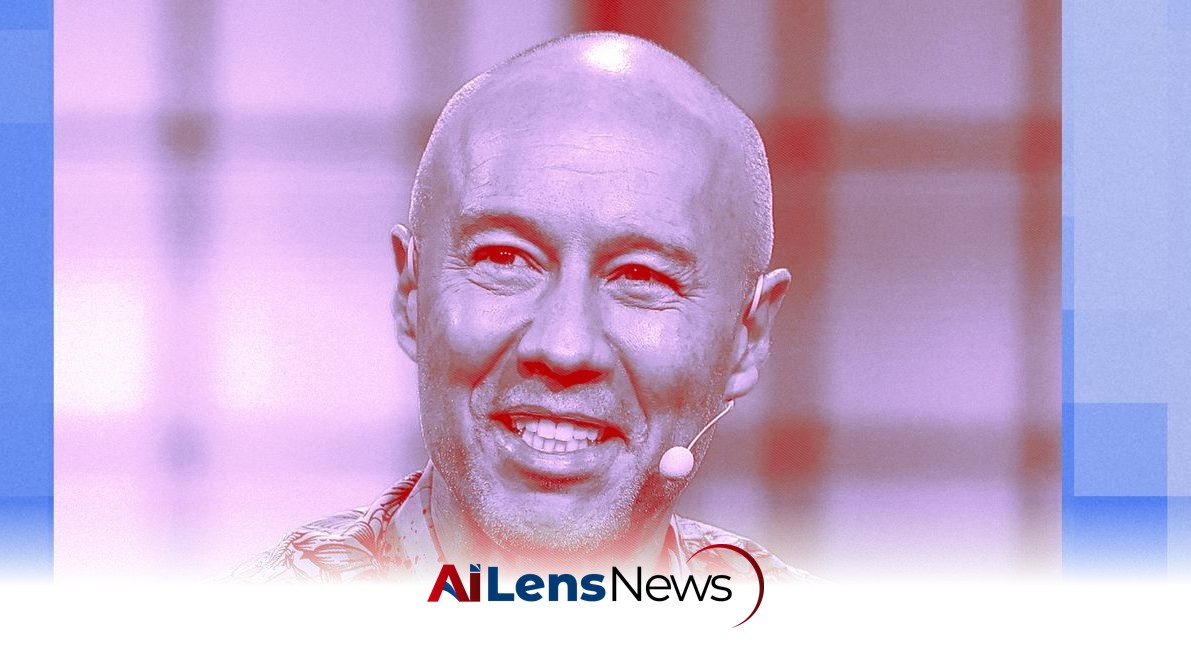


David Risher discusses Lyft's turnaround strategy, competitive edge over Uber, and the future of autonomous vehicles in a recent interview.
Washington DC, United States Jul 17, 2026 ALN: Three Years AGO, Lyft was floundering. The company, which has long been viewed as the perennial second choice to Uber, faced significant challenges that threatened its existence in the competitive ride-sharing market. Founded in 2012, Lyft quickly became known for its friendly branding and focus on community. However, as Uber expanded aggressively and captured a larger share of the market, Lyft struggled to keep pace. The founders were still in charge, but by March 2023, it became evident that a change was necessary. To spearhead a turnaround, Lyft hired David Risher, a former executive at Microsoft and Amazon, who was tasked with revitalizing the company and steering it back on the path to profitability.
Under Risher's leadership, Lyft has taken several strategic steps to improve its position in the market. He has expanded its service offerings to other countries, formed partnerships with technology leaders like Waymo and Nvidia, and implemented measures to reduce ride cancellations. Additionally, Lyft has made efforts to increase driver compensation, which is essential for maintaining driver satisfaction and retention. Recently, Lyft also announced that customers in New York would have the option to hail taxis, further diversifying its service portfolio. While the company has reported a profit, it remains firmly in second place in the ride-sharing industry, and its stock performance has been lackluster this year.
In a recent interview, Risher shared insights on Lyft's current position, the challenges it faces, and his vision for the company's future. He acknowledged that when he took over, Lyft was losing market share, with its percentage hovering around 26 or 27 percent compared to Uber. The company was also incurring significant losses, approximately $300 million annually. Risher's approach, influenced by his time at Amazon, has been heavily focused on "customer obsession." This philosophy has guided his decisions in restructuring Lyft's cost management and pricing strategies to create a more appealing service for both riders and drivers.
Risher highlighted that Lyft has made substantial progress since his arrival. The company is now profitable, has improved driver satisfaction rates, and has seen a rebound in rider engagement. Lyft’s market share has increased to approximately 31 percent, which, while still trailing behind Uber, indicates a positive trend. However, Risher also acknowledged the skepticism from analysts and investors regarding the overall uncertainty in the ride-sharing industry, which has contributed to Lyft's declining stock price.
One of the notable challenges that Lyft faces is the perception that it remains significantly behind Uber, which has a far larger market share and a global reach. Risher pointed out that while Lyft may be seen as a distant second, it still operates a substantial number of rides—about a billion per year in North America. In contrast, Uber's global operations account for around 14 billion rides annually. Risher emphasized that the total number of rides taken in private cars across the United States is around 160 billion annually, indicating a vast market opportunity for growth beyond the current competition.
Risher believes that Lyft's service quality is a key differentiator that has contributed to its recent market share gains. He stated that Lyft typically picks up riders more quickly than its competitor, and the company has successfully reduced driver cancellations. Risher also introduced a new initiative called "Save Money, Check Lyft," which aims to encourage riders to compare prices between Lyft and Uber. He believes that if riders consistently checked both platforms, Lyft could potentially capture over 50 percent of the market share.
In addressing concerns raised by drivers regarding the companies' commission structures, Risher defended Lyft's practices, stating that the company would never take more than 30 percent of a driver's earnings after insurance costs. He acknowledged that some drivers may recall a time when they received larger subsidies during the industry's early days, but he emphasized Lyft's commitment to maintaining a fair compensation structure for its drivers.
Fuel prices have also been a concern for drivers, as they are responsible for covering their own fuel costs. Risher noted that while drivers ultimately bear this burden, Lyft is actively working to support them through various initiatives aimed at improving their overall experience.
As the industry evolves, the conversation around autonomous vehicles has become increasingly relevant. Lyft has partnered with Waymo to manage a fleet of autonomous cars in Nashville, which represents a significant step towards integrating self-driving technology into its service model. Risher explained that Lyft's role in this partnership involves ensuring that the vehicles are available for use around the clock, emphasizing the importance of fleet management. He noted that a well-maintained and accessible fleet is essential for maximizing the profitability of autonomous vehicles.
Risher described the future of ride-sharing as one where autonomous vehicles could become the norm. He predicted that in a decade, owning a car without self-driving capabilities would be akin to owning a car with a manual transmission today—possible, but increasingly rare. In this future landscape, he envisions a shift in the way people interact with ride-sharing platforms, as users would primarily need to ensure their vehicles are available for use rather than being actively involved in driving.
Despite the challenges Lyft faces, Risher expressed optimism about the company's future. He aspires for Lyft to become the number one choice for ride-sharing, citing the company's superior service as a competitive advantage. Risher made a bold statement, referring to Lyft as "the good Uber," suggesting that while both companies have achieved success, Lyft's approach to customer service and driver relations sets it apart.
When asked about his perception of Uber, Risher acknowledged that both companies have thrived in different ways but emphasized that Lyft's focus on customer satisfaction and ethical practices is what distinguishes it in the marketplace. He believes that this commitment will yield long-term advantages as the industry continues to evolve.
As Lyft navigates the complexities of the ride-sharing landscape, Risher's leadership and vision will be crucial in determining the company's trajectory. With ongoing efforts to innovate, expand its service offerings, and enhance driver and rider experiences, Lyft aims to solidify its place in the market and challenge Uber's dominance. The future of ride-sharing remains uncertain, but under Risher's guidance, Lyft is poised to adapt and grow in an ever-changing environment.
To learn more about the latest developments in Corporate & Industry Insights, stay updated with our exclusive reports and analyses on AiLensNews.

