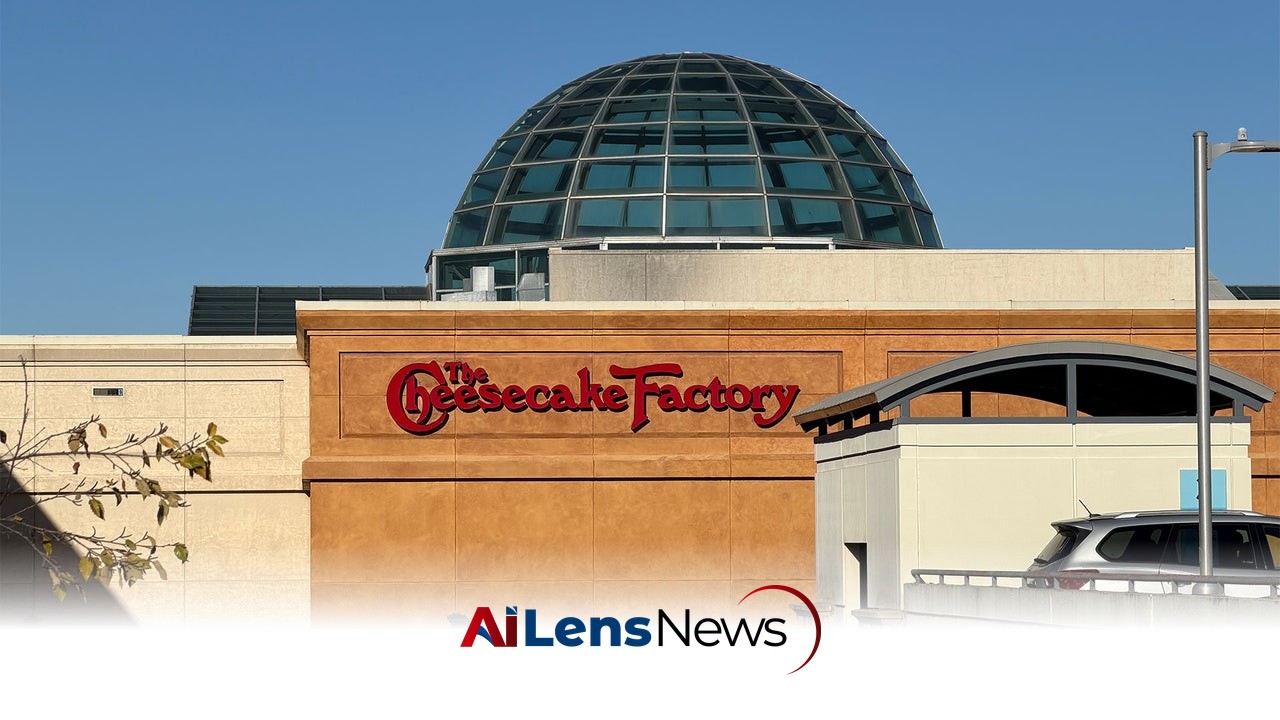


The Cheesecake Factory has seen a remarkable 62% stock increase over three months, driven by record earnings and new restaurant openings, outperforming fast-casual rivals.
Washington DC, United States Aug 14, 2026 ALN: The Cheesecake Factory, a well-established player in the casual dining sector, has recently garnered significant attention in the financial markets, with its stock experiencing a remarkable surge. Alongside other sit-down restaurant stocks such as Texas Roadhouse and BJ’s Restaurants, Cheesecake Factory has recorded a median gain of approximately 62% over the past three months. This statistic, reported by Yahoo Finance, highlights a notable trend in the restaurant industry, particularly given that the gain is described as being wider than any seen from 2016 through 2025. In contrast, popular fast-casual chains like Chipotle, Wingstop, and Shake Shack have seen their stock prices remain relatively stagnant during this period.
The question arises: What factors are contributing to Cheesecake Factory's stock outperforming its fast-casual counterparts, especially at a time when many American consumers are facing economic challenges such as inflation and a high cost of living? To understand this phenomenon, it is essential to delve into the company's recent earnings report, released on July 28, which revealed that Cheesecake Factory achieved a record quarterly revenue of $1.03 billion. This figure marks a significant milestone for the company, as it is the first time it has surpassed the billion-dollar mark in a single quarter. In comparison, the company reported revenue of $955.8 million for the same quarter in 2025, indicating a year-over-year increase of 7.7%.
In addition to impressive revenue growth, Cheesecake Factory's earnings also exceeded expectations, with adjusted diluted earnings per share (EPS) rising 24% year over year to $1.44, surpassing analysts' estimates of $1.18. The company's strong performance can be attributed to several key factors, as highlighted in its earnings report. One of the primary drivers of growth has been robust same-store sales, which reflect the performance of established locations. Restaurant sales grew by 7% year over year, reaching $729.5 million, while comparable restaurant sales increased by 5.8%. These figures indicate that existing locations are not only maintaining their customer base but are also attracting new patrons, which is a positive sign for the brand's overall health.
Moreover, the company's expansion strategy has played a crucial role in its growth trajectory. In the second quarter, The Cheesecake Factory opened four new restaurant locations across its various brands, which include not only The Cheesecake Factory itself but also North Italia, known for its pizza and pasta offerings, and Flower Child, which focuses on healthy meals. Additionally, the company has a collection of other Fox Restaurant Concepts brands that contribute to its diverse portfolio. Specifically, during Q2, the company opened two North Italia restaurants, one Flower Child location, and one Fox Restaurant Concepts venue. As the company moved into Q3, it launched a new Cheesecake Factory location, bringing its total to 375 restaurants nationwide. Looking ahead, the company anticipates opening 26 new restaurants in fiscal 2026, which may include as many as six additional Cheesecake Factory locations. This ambitious expansion plan reflects the company's confidence in its brand and market demand.
The performance of specific brands within the Cheesecake Factory portfolio also warrants attention. Flower Child, for instance, reported a remarkable 18% increase in sales year over year, totaling $56.6 million, along with 13% comparable sales growth. Similarly, North Italia experienced an 8% year-over-year sales increase, amounting to $98.4 million. These figures underscore the successful positioning of these brands in the market and their ability to resonate with consumers seeking diverse dining options.
David Overton, the founder and CEO of The Cheesecake Factory, attributed the chain's growth to several strategic initiatives. He emphasized the importance of “menu innovation, rewards program and marketing efforts, operational execution, and year-over-year improvements in labor productivity and food efficiency.” Overton's comments highlight the multifaceted approach the company has taken to drive performance and profitability. By continuously innovating its menu offerings, the company aims to keep its dining experience fresh and appealing to customers. The rewards program is also a significant aspect of the customer experience, fostering loyalty and encouraging repeat visits.
Operational efficiency is another pillar of Cheesecake Factory's success. The company has developed a reputation for its ability to manage high restaurant sales volumes effectively. This efficiency translates into better customer service and satisfaction, which are crucial in the competitive restaurant landscape. As reported by Fast Company, Cheesecake Factory's operational strategies have positioned it well to navigate challenges in the industry, including labor shortages and rising food costs, allowing it to maintain strong profitability.
The implications of Cheesecake Factory's recent financial performance extend beyond the company's immediate stakeholders. The surge in its stock price signals investor confidence in the brand's ability to adapt and thrive in a challenging economic environment. This confidence may encourage further investment in the casual dining sector, potentially leading to increased competition among restaurant chains as they strive to capture consumer spending. Additionally, the success of Cheesecake Factory could inspire other chains to reassess their strategies, focusing on expansion, menu innovation, and operational efficiency to remain competitive.
In conclusion, The Cheesecake Factory's stock surge amid strong earnings and expansion plans reflects a combination of effective management, strategic growth initiatives, and a commitment to enhancing the customer experience. As the company navigates the complexities of the restaurant industry, its ability to sustain this momentum will be closely watched by investors and industry analysts alike. The broader implications of its success may influence trends within the casual dining sector, shaping the competitive landscape for years to come.
To learn more about the latest developments in Corporate & Industry Insights, stay updated with our exclusive reports and analyses on AiLensNews.

