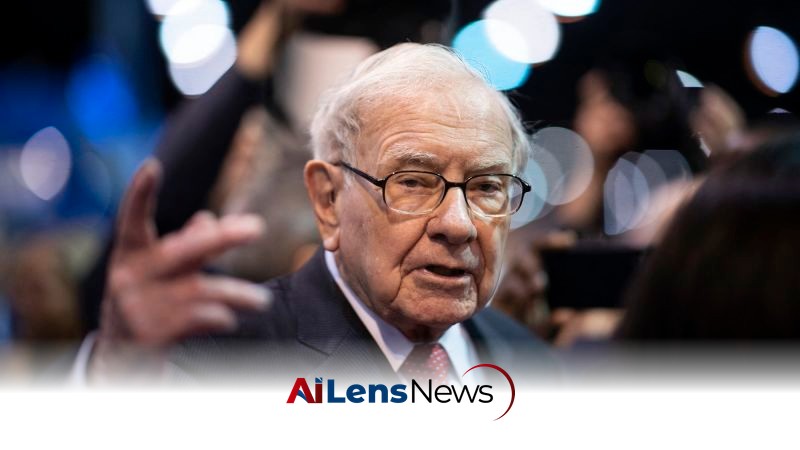


Warren Buffett has redirected nearly $6 billion in donations from the Gates Foundation to his family-related charities, citing ongoing investigations into the foundation's ties to Jeffrey Epstein.
Washington DC, United States Jul 15, 2026 ALN: Warren Buffett, the renowned investor and philanthropist, has made headlines recently for his decision to withhold a significant donation from the Bill and Melinda Gates Foundation this year. Instead of contributing to the foundation, Buffett has redirected nearly $6 billion in shares of Berkshire Hathaway to four foundations associated with his own family. This shift in philanthropic focus comes amidst ongoing scrutiny regarding the Gates Foundation's connections to convicted sex offender Jeffrey Epstein.
Buffett, who has long been a prominent figure in philanthropy, was one of the founding trustees of the Gates Foundation. He collaborated with Bill Gates and his then-wife Melinda French Gates to establish “The Giving Pledge,” an initiative aimed at encouraging billionaires to contribute a substantial portion of their wealth to charitable causes. Despite stepping down from the foundation’s board in 2021, Buffett has historically been a significant donor to the Gates Foundation, contributing billions annually. His decision to withhold funds this year marks a notable departure from his previous philanthropic practices.
The backdrop to Buffett's decision lies in the ongoing investigation by external attorneys, commissioned by the Gates Foundation, into its ties with Epstein. This review has raised concerns about the foundation's leadership and its associations, leading to increased scrutiny from both the public and the media. The implications of this investigation are profound, as they not only affect the reputation of the Gates Foundation but also the broader landscape of philanthropy, where transparency and ethical considerations are increasingly coming under the microscope.
At 95 years old, Buffett remains active in his philanthropic endeavors, expressing his desire for his three children to manage and eventually dispose of his shares in Berkshire Hathaway by December 31, 2034. Berkshire Hathaway, a multinational conglomerate holding company, boasts a market capitalization of approximately $1.1 trillion, with Buffett owning around 30% of the stock. This significant stake provides him with substantial influence and resources to direct towards charitable efforts.
Historically, Buffett's contributions to the Gates Foundation have been monumental. By 2022, the foundation reported that Buffett's donations had reached a staggering total of $36 billion. His annual contributions have played a crucial role in funding various initiatives aimed at global health, education, and poverty alleviation. However, the current controversy surrounding the foundation's leadership and its connections to Epstein has evidently prompted Buffett to reconsider the direction of his philanthropy.
The relationship between Gates and Epstein has strained not only their friendship but also the collaborative efforts they have undertaken through the foundation. In a recent interview, Buffett revealed that he is no longer in communication with Gates, a significant shift given their longstanding partnership in philanthropy. Despite this rift, Buffett has expressed that he does not regret his past donations to the Gates Foundation, although he acknowledged that certain events surrounding the foundation's leadership have been troubling.
During his interview with CNBC earlier this year, Buffett remarked, "I wish that certain things hadn’t happened," referring to the fallout from Gates' association with Epstein. However, he also emphasized that he does not believe that Gates or the foundation are engaged in any wrongdoing for personal gain. This nuanced perspective highlights the complexities involved in philanthropic relationships, particularly when they intersect with personal controversies.
In a recent testimony before a House committee, Gates asserted that he had no prior knowledge of Epstein's criminal activities. He has publicly characterized his past relationship with Epstein as a "huge mistake" and has apologized to staff at the foundation for any distress caused by the revelations. Despite these admissions, Gates has consistently denied any allegations of personal misconduct related to Epstein.
Buffett, in his CNBC interview, clarified that he had never met Epstein and had no direct contact with him. He also indicated that he has refrained from discussing the scandal with Gates, suggesting that the ongoing investigation needs to be resolved before any further dialogue can take place. This cautious approach reflects Buffett's desire to distance himself from the controversy, underscoring the potential legal ramifications and the importance of maintaining his own philanthropic integrity.
Buffett's reluctance to engage in discussions about the scandal stems partly from his concern about being called to testify regarding Epstein's connections to Gates. He expressed a desire to avoid the complexities of legal proceedings, stating, "I don’t want to be under oath." This sentiment illustrates the broader implications of the situation, as it not only affects the individuals involved but also raises questions about accountability and governance within philanthropic organizations.
The fallout from this controversy may have lasting effects on the Gates Foundation's operations and funding. As the foundation navigates the scrutiny of its leadership and associations, it will need to address the concerns raised by its donors and the public. The ongoing investigation may prompt a reevaluation of its governance structures and transparency measures to restore confidence among stakeholders.
In the wider context of philanthropy, Buffett's decision to divert funds away from the Gates Foundation serves as a reminder of the intricate relationships that exist within the sector. It highlights the necessity for philanthropic organizations to maintain ethical standards and transparency, particularly as they engage with high-profile individuals and complex issues. As the investigation into the Gates Foundation continues, the outcome may have significant implications for the future of philanthropy and the expectations placed upon those who wield substantial financial influence.
To learn more about the latest developments in Corporate & Industry Insights, stay updated with our exclusive reports and analyses on AiLensNews.

