


The surge in billionaire ownership of sports teams is driven by limited supply and the perceived stability of sports investments in an AI-driven future.
Washington DC, United States Aug 25, 2026 ALN: The landscape of professional sports is undergoing a significant transformation, driven by a convergence of factors that include a surge in billionaire interest and the implications of artificial intelligence (AI) on investment strategies. The recent flurry of high-profile transactions involving major sports franchises underscores this trend, with storied teams like the Los Angeles Lakers, the Seattle Seahawks, and the New York Yankees changing hands at unprecedented valuations.
As the sports market heats up, the rising number of billionaires with the financial capability to acquire teams plays a crucial role. The limited availability of franchises, coupled with the increasing demand from wealthy individuals and investment groups, has led to soaring valuations. The scarcity of these assets, often compared to fine art collections or rare collectibles, drives up prices as potential buyers compete for ownership.
However, a less expected driver of this sales boom is the growing concerns surrounding AI and its potential to reshape various industries. Experts in the field suggest that sports franchises represent a relatively stable investment option compared to sectors that may face significant disruption from technological advancements. Unlike tech companies that could be rendered obsolete by new innovations, sports teams are viewed as resilient entities with enduring fan bases and cultural significance.
Sal Galatioto, a prominent investment banker specializing in sports transactions, emphasizes this perspective. With three decades of experience negotiating deals, he notes that the current market is unlike anything he has witnessed before. Galatioto asserts that the allure of owning a sports team transcends mere financial returns, encapsulating elements of prestige, legacy, and emotional connection. He argues that teams like the New York Yankees are likely to endure far longer than many technology firms, suggesting a fundamental shift in how investors perceive value in the face of potential AI disruptions.
Victor Matheson, an economics professor and sports business expert, further elaborates on this notion. While acknowledging that some industries, such as electric utilities, may also be insulated from AI risks, he highlights the unique appeal of sports ownership. The aspiration to be a part of the sports world, whether as an owner or a manager, resonates more deeply with individuals compared to the prospect of leading a utility company. This passion for sports creates a vibrant market where billionaires are eager to invest, not only for financial gain but also for the status and influence that come with ownership.
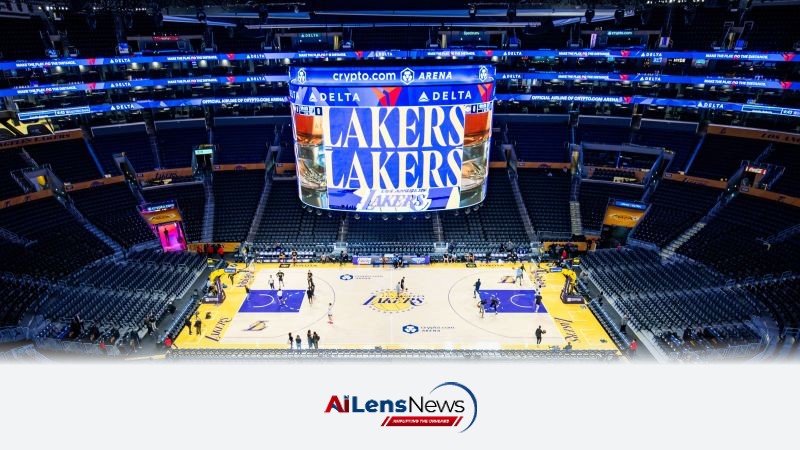
The tangible nature of this gold rush is evident in recent transactions that have captured headlines. For instance, the recent agreement between former Disney CEO Bob Iger and venture capitalist Josh Kushner to acquire a controlling interest in the Los Angeles Lakers marks a significant milestone, valuing the franchise at a staggering $12.5 billion. This deal exemplifies the heights to which franchise valuations have soared, reflecting both the financial potential of sports teams and the prestige associated with owning such iconic brands.
Similarly, Fenway Sports Group's decision to sell a 40% stake in the Premier League club Liverpool to a consortium that includes notable figures like Amazon founder Jeff Bezos underscores the trend of high-profile investors entering the sports arena. The approval of the $3.9 billion sale of the San Diego Padres to a private equity billionaire and his wife further illustrates the escalating financial stakes in professional sports. This transaction surpasses the previous record set by hedge fund manager Steve Cohen, who acquired the New York Mets for $2.4 billion in 2020.
In the National Football League, the potential record-breaking sale of the Seattle Seahawks for $9.6 billion indicates that the appetite for sports franchises is not only robust but also growing. The recent sale of the Minnesota Timberwolves and WNBA's Lynx for a combined value of $4.5 billion demonstrates that basketball franchises are also attracting significant investment, contributing to the overall trend of rising valuations across various sports leagues.
Moreover, the New York Yankees, the most valuable team in baseball, recently secured a $2.6 billion investment from Apollo Global Management, a private equity firm, for a minority stake in the franchise. This influx of capital from private equity firms into the sports sector signals a broader trend of institutional investment seeking to capitalize on the lucrative opportunities presented by sports teams.
Irwin Kirshner, head of the sports law group at the law firm Herrick Feinstein, notes that the increasing interest from private equity in sports teams is indicative of a larger buying boom. As these financial entities recognize the potential for substantial returns and brand-building opportunities within the sports industry, their participation is likely to further drive valuations upward.
In conclusion, the intersection of billionaire interest and the perceived stability of sports franchises amid AI-related uncertainties is reshaping the landscape of professional sports ownership. As valuations continue to soar and transactions become more frequent, the implications for both investors and the broader sports ecosystem are profound. The allure of sports ownership, coupled with the unique cultural significance of these teams, positions the sports industry as a compelling investment avenue for those navigating the complexities of a rapidly evolving economic landscape.
To learn more about the latest developments in Corporate & Industry Insights, stay updated with our exclusive reports and analyses on AILensNews.

