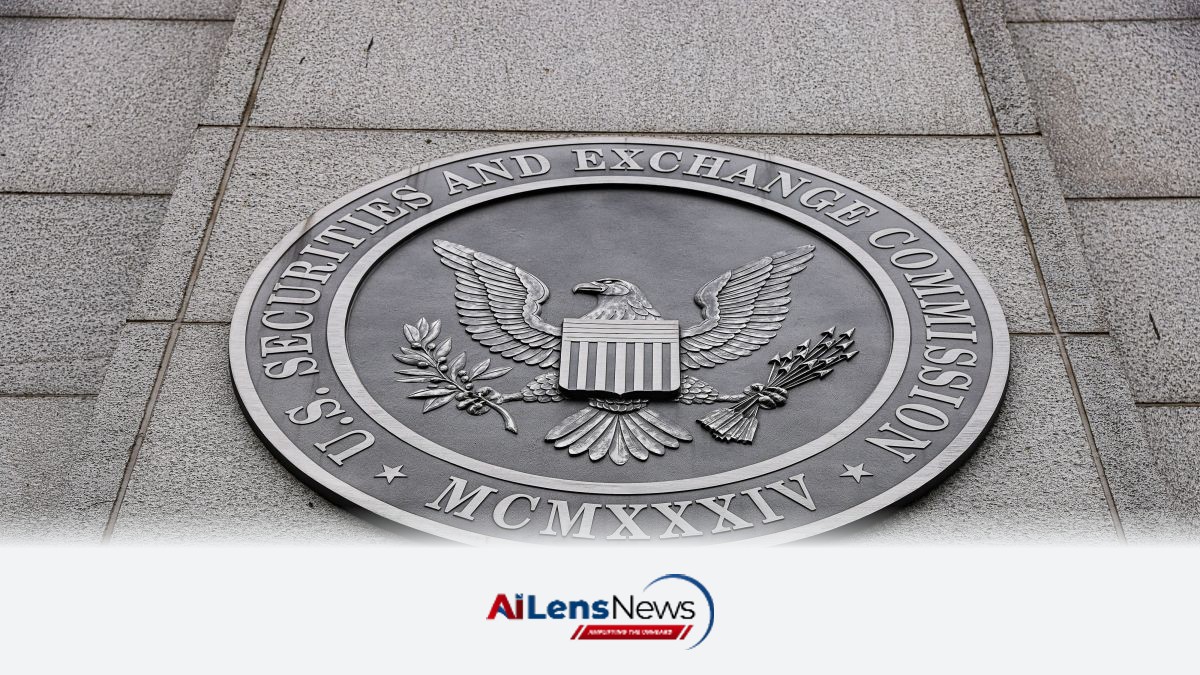



Situational Awareness, an AI hedge fund, faces SEC scrutiny after a significant downturn in AI stocks led to substantial losses and federal subpoenas.
Washington DC, United States Aug 25, 2026 ALN: Situational Awareness, the AI-focused hedge fund that was Wall Street’s fleeting obsession, is having a very bad month.
The company, led by twentysomething OpenAI alum Leopold Aschenbrenner, went all-in on a variety of AI investments and, for a period, enjoyed phenomenal growth. Then, at the end of July, a downturn in AI stocks erased billions of dollars in value at the firm. Now, federal regulators are reportedly probing the company as well.
The New York Times reports that the Securities and Exchange Commission has been subpoenaing banks that did business with the hedge fund. The subpoenas focus on the banks that supervised the fund’s trading and that channeled funding to support it, the outlet says.
The government reportedly warned the banks to "preserve any information" about the hedge fund, though it noted that Situational Awareness has not been accused of any wrongdoing.
Situational Awareness did not respond to requests for comment but told the Times that scrutiny of high-profile funds is to be expected, and that it would “cooperate to the fullest extent with any regulatory request.”
The company, which very publicly hitched its wagon to AI’s star, may serve as a cautionary tale about the industry’s supposedly unstoppable trajectory.
The hedge fund industry has long been characterized by its high-risk, high-reward strategies, often relying on sophisticated algorithms and data analytics to inform investment decisions. In recent years, the rise of artificial intelligence has transformed the landscape, with many funds, including Situational Awareness, leveraging AI technology to identify investment opportunities and optimize trading strategies. The allure of AI investments, particularly in sectors such as technology and healthcare, has attracted significant capital from investors eager to capitalize on the perceived growth potential.
However, this surge in AI-related investments has also raised concerns about volatility and sustainability. The rapid growth of AI stocks has been met with skepticism from traditional investors, who caution that the market may be overvalued. The downturn in late July, which significantly impacted Situational Awareness, serves as a stark reminder of the inherent risks associated with such concentrated investments. The sudden loss of billions in value highlights the fragility of market sentiment and the potential for rapid declines in asset prices, particularly in sectors that have seen explosive growth.
The SEC's investigation into Situational Awareness is indicative of a broader trend of regulatory scrutiny within the financial industry, particularly concerning hedge funds that employ advanced technologies. In recent years, regulators have expressed concerns about the potential for market manipulation, lack of transparency, and the risks posed by algorithm-driven trading strategies. The SEC's actions, including the subpoenas issued to banks associated with Situational Awareness, reflect an effort to ensure that market participants adhere to established regulations and maintain fair trading practices.
While Situational Awareness has not been accused of any wrongdoing, the investigation underscores the importance of compliance and oversight in the hedge fund industry. As the market continues to evolve, hedge funds must navigate an increasingly complex regulatory environment, balancing the pursuit of innovative investment strategies with the need for transparency and accountability. The SEC's warning to banks to preserve information related to the hedge fund suggests that regulators are taking a proactive approach to monitor the activities of high-profile funds and their potential impact on market stability.
The implications of this investigation extend beyond Situational Awareness itself. As more hedge funds adopt AI technologies, the industry may face heightened scrutiny from regulators, leading to potential changes in how these funds operate. Increased regulatory oversight could result in stricter compliance requirements, impacting the ability of hedge funds to leverage AI effectively. This, in turn, may influence investment strategies and the overall competitive landscape within the hedge fund sector.
Furthermore, the investigation may serve as a cautionary tale for investors considering allocations to AI-focused funds. The volatility experienced by Situational Awareness may prompt investors to reevaluate their risk tolerance and investment strategies, particularly in sectors characterized by rapid technological advancements. As the market continues to grapple with the implications of AI and its integration into the financial landscape, investors must remain vigilant and informed about the potential risks associated with these investments.
In conclusion, the challenges faced by Situational Awareness highlight the complexities and risks inherent in the intersection of artificial intelligence and finance. As regulatory scrutiny increases and market dynamics shift, both hedge funds and investors will need to adapt to a rapidly evolving landscape, ensuring that they remain compliant while navigating the opportunities and challenges presented by AI-driven investments.
To learn more about the latest developments in Financial Literacy, stay updated with our exclusive reports and analyses on AILensNews.

