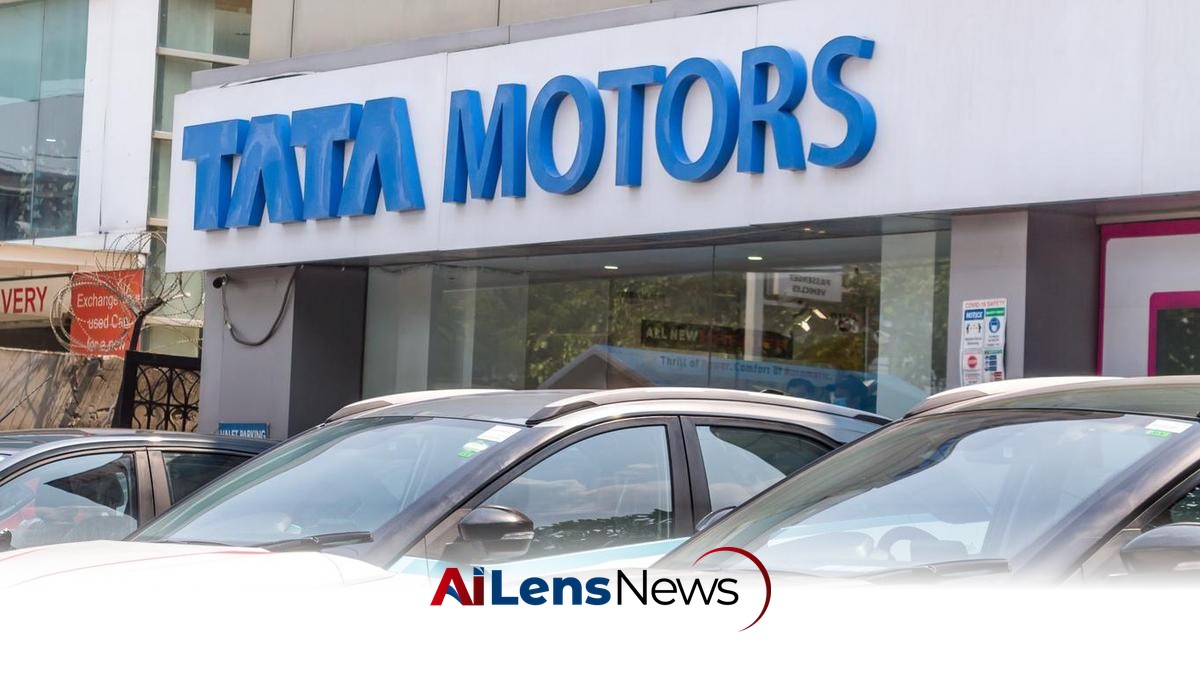


Tata Motors targets a 20% market share and over 1.2 million annual sales in the Indian passenger vehicle segment by 2031, as stated by its chairman.
New Delhi, India Jul 9, 2026 ALN: Tata Motors Passenger Vehicles Ltd (TMPVL) has made remarkable strides in the Indian automotive market over the past six years, evolving from a modest sixth position in the passenger vehicle segment to becoming the second-largest player by 2026. This rapid ascent is indicative of the company's strategic initiatives and responsiveness to market demands. As it looks to the future, TMPVL has set an ambitious target of capturing a 20% market share and achieving annual sales exceeding 1.2 million vehicles by 2031, as articulated by its chairman, N. Chandrasekaran, during the company's Annual General Meeting (AGM) on July 8, 2026.
The automotive industry in India has undergone significant transformation in recent years, driven by a combination of factors including economic growth, changing consumer preferences, and technological advancements. The domestic passenger vehicle market has expanded nearly fivefold in volume and close to sixfold in revenue from 2020 to 2026. This growth can be attributed to several factors, including an increase in disposable incomes, urbanization, and a growing preference for personal vehicles, especially in the wake of the COVID-19 pandemic, which heightened health concerns associated with public transportation. The pandemic led many consumers to reconsider their reliance on shared mobility solutions, resulting in a surge in demand for personal vehicles.
Tata Motors' financial health has significantly improved in recent years. The company transitioned from a cash burn of ₹4,000 crore in FY20 to a surplus of ₹2,000 crore, highlighting effective cost management and operational efficiencies. This turnaround is crucial as it not only reflects the company's improved profitability but also positions it well for future investments and expansions. The financial recovery has enabled Tata Motors to invest in research and development, enhance production capabilities, and explore new market segments, all of which are essential for achieving its ambitious growth targets.
Chandrasekaran emphasized the company's commitment to enhancing its product portfolio, with plans to launch six new nameplates and over 20 product refreshes in the coming years. This strategy is designed to cater to a diverse customer base and meet varying consumer preferences, particularly as the demand for electric vehicles (EVs) continues to rise. The chairman noted that the company aims for EVs to constitute more than 30% of its sales volumes, a target that aligns with global trends towards sustainability and reduced carbon emissions. The Indian government has also been supportive of the electric vehicle sector, introducing policies and incentives aimed at boosting EV adoption, which further complements Tata Motors' strategy.
The surge in electric vehicle sales has been particularly noteworthy, with monthly sales volumes increasing from approximately 100 units per month in FY18 to around 15,000 units per month by June 2026. This remarkable growth underscores Tata Motors' leadership in the electric mobility sector, a position it has maintained for seven consecutive years despite intensifying competition. The company’s focus on innovation and sustainability has resonated well with consumers, contributing to its robust sales performance. Tata Motors has invested heavily in developing its EV technology and infrastructure, including charging stations and battery technology, to support this growth.
Looking ahead to FY26, the company is optimistic about sustaining its momentum. The second half of the fiscal year has already seen TMPVL emerge as the second-largest player in the market, boasting a market share of over 14%. This achievement is indicative of the company's strong execution capabilities and its ability to adapt to changing market dynamics. The competitive landscape in the Indian automotive market is evolving, with new entrants and established players vying for market share, making it imperative for Tata Motors to maintain its competitive edge.
In addition to its passenger vehicle segment, Tata Motors' luxury vehicle division, Jaguar Land Rover (JLR), has also shown resilience amid external challenges, such as tariff impacts and a cyber incident. JLR has made significant operational advancements in developing next-generation models and expanding its modern luxury brands. The chairman expressed enthusiasm for the upcoming year, highlighting JLR's renewed focus on growth through distinct brand identities, a reinforced strategy for North America, and enhanced customer personalization. The luxury vehicle segment is particularly sensitive to consumer trends, and JLR's ability to adapt to these trends will be crucial for its success.
The emphasis on building trusted, aspirational, and globally competitive mobility brands is a core component of Tata Motors' strategy. The company aims to connect meaningfully with customers, enhancing their overall experience. A strong pipeline of new products and powertrains across both Tata Motors Passenger Vehicles and JLR is expected to support this initiative, with a commitment to improving safety, quality, and customer satisfaction. As consumer expectations evolve, Tata Motors recognizes the importance of delivering high-quality products that resonate with customers' values and lifestyles.
Digital technologies are also playing a pivotal role in Tata Motors' strategy, with plans to increase their integration across the value chain. This includes the use of advanced analytics, artificial intelligence, and connectivity solutions to enhance vehicle performance and customer engagement. By leveraging these technologies, Tata Motors aims to streamline operations and improve the overall customer experience. The integration of digital technologies not only enhances product offerings but also provides valuable insights into consumer behavior, allowing the company to tailor its marketing and product strategies effectively.
Collaboration between TMPVL and JLR has been identified as a key area for growth, with the potential to leverage complementary capabilities in manufacturing, technology, and personnel. The successful commencement of operations at the TMPV–JLR facility in Panapakkam, Tamil Nadu, marks a significant milestone in this collaborative effort, promising to enhance production efficiencies and innovation. This facility is expected to play a crucial role in the development of new models and technologies, further solidifying Tata Motors' position in the competitive automotive landscape.
The automotive industry in India is poised for further growth, driven by advancements in technology, changes in consumer preferences, and government initiatives promoting electric mobility. Tata Motors' strategic goals reflect an understanding of these trends and a commitment to leading the market in both conventional and electric vehicles. As the company sets its sights on achieving a 20% market share by 2031, it must navigate challenges such as fluctuating raw material costs, evolving regulatory frameworks, and increasing competition from both domestic and international players. The ability to adapt to these challenges will be critical in maintaining its growth trajectory.
In conclusion, Tata Motors Passenger Vehicles Ltd's ambitious targets for the coming years are underpinned by a solid foundation of strategic planning, innovation, and a commitment to sustainability. The company's focus on expanding its product portfolio, enhancing customer experiences, and leveraging technology positions it well to meet the evolving demands of the automotive market in India and beyond. As the industry continues to transform, Tata Motors is poised to play a pivotal role in shaping the future of mobility. The company's proactive approach to addressing market dynamics, coupled with its commitment to sustainability, is likely to resonate with consumers and stakeholders alike, ensuring its position as a leader in the automotive sector.
To learn more about the latest developments in Corporate & Industry Insights, stay updated with our exclusive reports and analyses on AiLensNews.

