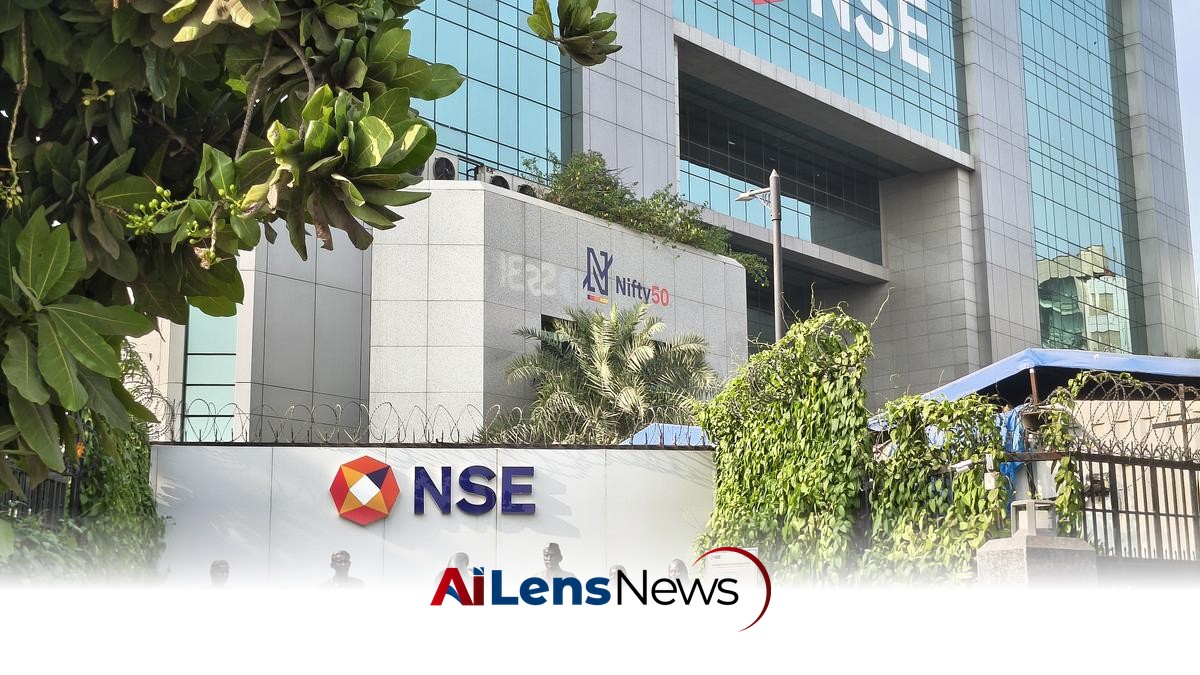


Stock markets rise on foreign fund inflows, with Sensex and Nifty gaining while some stocks, like Trent, decline.
New Delhi, India Jul 7, 2026 ALN: The recent rise in stock markets, particularly the benchmark indices Sensex and Nifty, reflects a broader trend of recovery and optimism among investors. On Tuesday, July 7, 2026, these indices experienced notable gains, buoyed by foreign fund inflows and a decline in crude oil prices, which have returned to pre-war levels. This shift is indicative of easing geopolitical tensions in West Asia, a region that has historically been a critical factor influencing global oil prices and, by extension, financial markets worldwide.
The BSE Sensex, which comprises 30 of the largest and most actively traded stocks on the Bombay Stock Exchange, advanced by 176 points, reaching 78,461.16 in early trade. Similarly, the NSE Nifty, which includes 50 major stocks listed on the National Stock Exchange, saw an increase of 34.1 points, rising to 24,464.45. These movements suggest a positive sentiment among investors, likely driven by recent economic data and market trends.
Among the top performers in the Sensex pack were well-established companies such as Titan, Infosys, Eternal, Tech Mahindra, HCL Tech, and Tata Consultancy Services. These firms are recognized for their robust models and consistent performance, making them attractive options for both domestic and foreign investors. The technology and consumer goods sectors, in particular, have shown resilience and growth potential, contributing to the overall market uptrend. The technology sector, especially, has been a significant driver of economic growth in India, showcasing innovation and adaptability amidst global shifts.
However, not all companies shared in the market's gains. Trent, a retail company, experienced a significant decline, tumbling by 9.8%. This drop may reflect broader challenges within the retail sector or specific issues affecting the company, such as changes in consumer behavior or supply chain disruptions. Other notable laggards included Larsen & Toubro, Bharat Electronics, ITC, and Tata Steel, indicating that while some sectors are thriving, others are facing headwinds that could impact their performance in the near term. These disparities highlight the uneven recovery across different industries, suggesting that investors should be cautious and selective in their approach.
Foreign Institutional Investors (FIIs) played a crucial role in this market movement, purchasing equities worth ₹243.03 crore on Monday, July 6, 2026. This influx of foreign capital is a positive sign, as it suggests renewed confidence in the Indian market. FIIs are often seen as a barometer of investor sentiment, and their buying activity can lead to increased market stability and growth. The participation of FIIs is particularly significant in the context of India's ongoing economic reforms and efforts to attract foreign investment, which are viewed as essential for sustaining long-term growth.
Another significant factor contributing to the market's rise is the decline in Brent crude prices, which were quoted at $72.45 per barrel. The price of crude oil is a key economic indicator, as it affects inflation rates, transportation costs, and overall economic growth. The return to pre-war levels suggests that fears of supply disruptions may be easing, allowing markets to stabilize. Lower oil prices can also benefit sectors such as transportation and manufacturing, which rely heavily on energy costs. This stabilization in oil prices is particularly relevant given the volatility seen in previous months, where geopolitical tensions had led to sharp increases in crude prices, affecting global markets.
V.K. Vijayakumar, Chief Investment Strategist at Geojit Investments Limited, commented on the current market dynamics, stating, "There are distinct signs of an uptrend in the market. Two factors that were weighing on Indian markets—the crude price hike and sustained FPI selling—are now behind us and have reversed. Crude is back to the pre-war level, and FPIs have turned buyers." His analysis highlights the importance of these factors in shaping market trends and the potential for sustained growth as conditions improve. Vijayakumar's insights reflect a broader consensus among analysts that the current market conditions may foster a more favorable investment climate.
Despite the positive momentum in the Indian markets, it is essential to consider the broader context of global market performance. In Asian markets, South Korea’s Kospi fell by 7%, while Japan’s Nikkei 225 index, Shanghai’s SSE Composite index, and Hong Kong’s Hang Seng index were also trading lower. These declines may reflect regional economic challenges, geopolitical tensions, or investor caution in response to global economic indicators. The interconnectedness of global markets means that movements in one region can significantly impact investor sentiment elsewhere, highlighting the importance of global economic health in shaping local market dynamics.
On the previous trading day, July 6, 2026, U.S. markets ended on a high note, with the Sensex jumping 521.16 points, or 0.67%, to settle at 78,285.07, and the Nifty climbing 159.50 points, or 0.66%, to end at 24,430.35. The positive performance of U.S. markets often influences global market sentiment, as investors look for cues regarding economic health and corporate profitability. The correlation between U.S. market performance and Indian markets underscores the significance of global economic trends and investor confidence in shaping market outcomes.
In summary, the early trade on July 7, 2026, indicates a positive shift in the Indian stock market, supported by foreign fund inflows and stabilizing crude oil prices. While certain sectors and companies are experiencing growth, others are facing challenges that could impact their future performance. The interplay of domestic and international factors will continue to shape market dynamics, and investors will be closely monitoring these developments as they make decisions moving forward. This analysis is critical for investors who need to navigate the complexities of the current market environment.
As the situation evolves, it will be crucial for investors to stay informed about both local and global economic indicators. This includes tracking changes in oil prices, foreign investment trends, and the performance of key sectors within the Indian economy. Understanding these factors will be essential for making informed investment decisions in a rapidly changing market landscape. Investors are encouraged to adopt a diversified approach, considering a mix of sectors and asset classes to mitigate risks associated with market volatility.
Moreover, the role of government policies and economic reforms cannot be overlooked in this context. The Indian government's initiatives aimed at boosting manufacturing, enhancing infrastructure, and promoting digitalization are likely to play a pivotal role in shaping the economic landscape and influencing investor sentiment. As these policies take effect, they may create new opportunities for growth and investment, further impacting market dynamics.
In conclusion, while the current market trends are promising, it is essential for investors to remain vigilant and adaptable. The ongoing developments in both domestic and international markets will undoubtedly continue to influence investment strategies and market sentiment. By staying informed and responsive to changes, investors can better position themselves to capitalize on emerging opportunities and navigate potential challenges in the evolving financial landscape.
To learn more about the latest developments in Markets, stay updated with our exclusive reports and analyses on AiLensNews.

