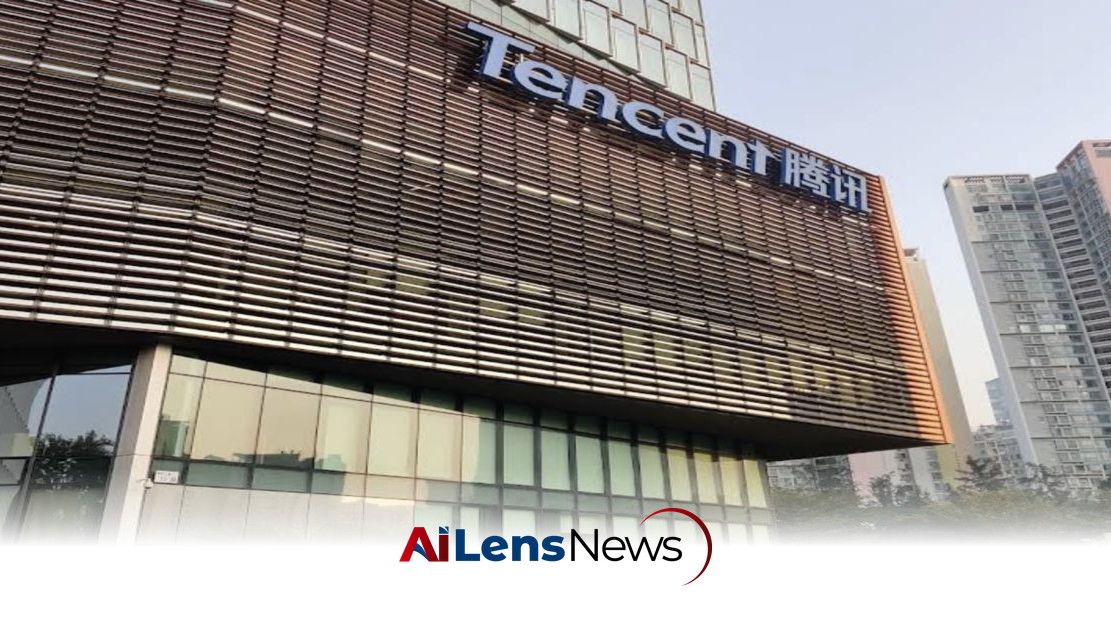


Tencent, alongside Manus' original investors, is set to acquire the startup from Meta for over $2 billion, aiming to regain control and resources.
Singapore, Singapore Jul 13, 2026 ALN: Chinese gaming and internet giant Tencent, in collaboration with the original investors of artificial intelligence (AI) firm Manus, including prominent venture capital firms like ZhenFund and HSG, is reportedly planning to execute a buyback of the Singapore-based startup from Meta Platforms, Inc. for no less than US$2 billion (approximately S$2.59 billion). This information was disclosed by sources familiar with the situation to Reuters on a recent Friday, indicating a significant movement in the tech investment landscape.
Tencent, which is one of the largest technology companies in the world, is anticipated to emerge as Manus’ largest shareholder following the completion of this deal. This potential acquisition marks a pivotal moment for both Tencent and Manus, as it reflects Tencent's strategic interests in AI and technology sectors that are rapidly evolving and expanding. The news of this buyback was first reported by The Financial Times, underscoring the growing interest in AI-driven solutions across various industries.
Neither Tencent nor Meta has publicly commented on the proposed buyback, which leaves many questions regarding the future direction of Manus and the implications of this transaction. The lack of official statements from both companies adds an air of uncertainty, as stakeholders await further clarification on the deal and its potential impact on the AI market.
Manus, which focuses on developing AI technologies, relocated its headquarters from China to Singapore in July of the previous year. This strategic move was primarily aimed at gaining access to critical resources, particularly Nvidia’s cutting-edge chips. The semiconductor industry has faced significant challenges in recent years, especially with increasing restrictions imposed by the U.S. government on the export of advanced technologies to China. By moving to Singapore, Manus sought to mitigate these challenges and position itself more favorably within the global tech ecosystem.
In December of the previous year, Meta announced its acquisition of Manus for more than US$2 billion (around S$2.56 billion). The acquisition was framed as a strategic initiative to enhance Meta’s AI capabilities and to leverage Manus’ technology to “bring a leading agent to billions of people and unlock opportunities for businesses across our products.” The integration of Manus’ technology was expected to bolster Meta’s offerings in various domains, including virtual reality, social media, and business applications.
However, the acquisition faced significant scrutiny from Chinese authorities. Reports emerged in January indicating that Chinese officials began a review of Meta’s acquisition of Manus due to concerns over potential violations of technology export control regulations. This scrutiny highlighted the increasing tensions between the U.S. and China regarding technology transfer and intellectual property rights. By April, it was reported that China had ordered Meta to unwind its acquisition of Manus, signaling the complexities and challenges of conducting international business in the current geopolitical climate.
The proposed buyback plan by Tencent and Manus’ original investors reflects a broader trend in the technology sector, where companies are increasingly navigating the intricate landscape of international regulations and trade policies. The ongoing complexities surrounding AI and technology investments underscore the need for companies to be agile and responsive to changing market dynamics.
This buyback could have far-reaching implications for the tech industry, particularly in the realm of AI development. With Tencent taking a more significant stake in Manus, it may lead to increased investment in AI research and development, as well as the potential for innovative collaborations between the two entities. Tencent has a history of investing in various technology sectors, and its involvement with Manus could accelerate the development of AI solutions that cater to both consumer and enterprise needs.
Furthermore, this transaction could also influence the competitive landscape of the AI market. As major players like Tencent and Meta vie for dominance in AI technologies, the strategies they employ in acquiring and investing in startups like Manus will shape the future direction of the industry. The buyback could potentially allow Manus to operate with greater autonomy, enabling it to innovate without the constraints that may come from being part of a larger conglomerate like Meta.
In conclusion, the planned buyback of Manus from Meta by Tencent and its original investors signifies a notable shift in the tech landscape, emphasizing the complexities of international business operations in the AI sector. As companies navigate regulatory challenges and market demands, the outcomes of such transactions will be closely monitored by industry analysts and stakeholders alike. The implications of this buyback extend beyond just the financials; they represent a critical juncture for AI development and investment strategies in a rapidly evolving technological environment.
To provide additional context, it is essential to understand the broader implications of this transaction within the tech industry. The artificial intelligence sector has been experiencing rapid growth, with significant investments pouring in from various players looking to harness the potential of AI technologies. The competition among tech giants to acquire innovative startups has intensified, driven by the increasing demand for AI solutions across sectors such as healthcare, finance, and entertainment.
Furthermore, Tencent's interest in Manus aligns with its broader strategy to diversify its portfolio and strengthen its position in the global tech landscape. As a company that has historically focused on gaming and social media, Tencent has been actively exploring opportunities in emerging technologies, including AI and cloud computing. By investing in Manus, Tencent not only gains access to advanced AI capabilities but also enhances its ability to compete against other major players in the industry.
On the other hand, the scrutiny faced by Meta regarding its acquisition of Manus underscores the challenges that multinational corporations encounter when navigating regulatory environments in different countries. The ongoing tensions between the U.S. and China have created a complex landscape for technology firms, particularly those involved in AI and data privacy. As governments around the world implement stricter regulations on technology transfers and intellectual property, companies must adapt their strategies to comply with these evolving requirements.
The potential buyback also raises questions about the future trajectory of Manus as an independent entity. While the acquisition by Meta initially promised to provide the startup with resources and support to scale its operations, the subsequent challenges and scrutiny may have hindered its growth potential. By returning to its original investors and Tencent, Manus could regain its focus on innovation and development without the constraints imposed by a larger corporate structure.
Moreover, the buyback could signal a shift in investor sentiment towards AI startups, particularly those with strong technological foundations and growth potential. As more companies recognize the value of AI-driven solutions, investments in this sector are likely to increase, fostering a more competitive environment for innovation. This could lead to the emergence of new players in the AI space, further diversifying the landscape and driving advancements in technology.
In summary, the planned buyback of Manus from Meta by Tencent and its original investors is not just a financial transaction; it represents a strategic maneuver in the evolving tech landscape, highlighting the complexities of international business, regulatory challenges, and the competitive dynamics of the AI sector. As the situation unfolds, industry stakeholders will be keenly observing the implications of this buyback on Manus, Tencent, and the broader AI market.
To learn more about the latest developments in Corporate & Industry Insights, stay updated with our exclusive reports and analyses on AiLensNews.

