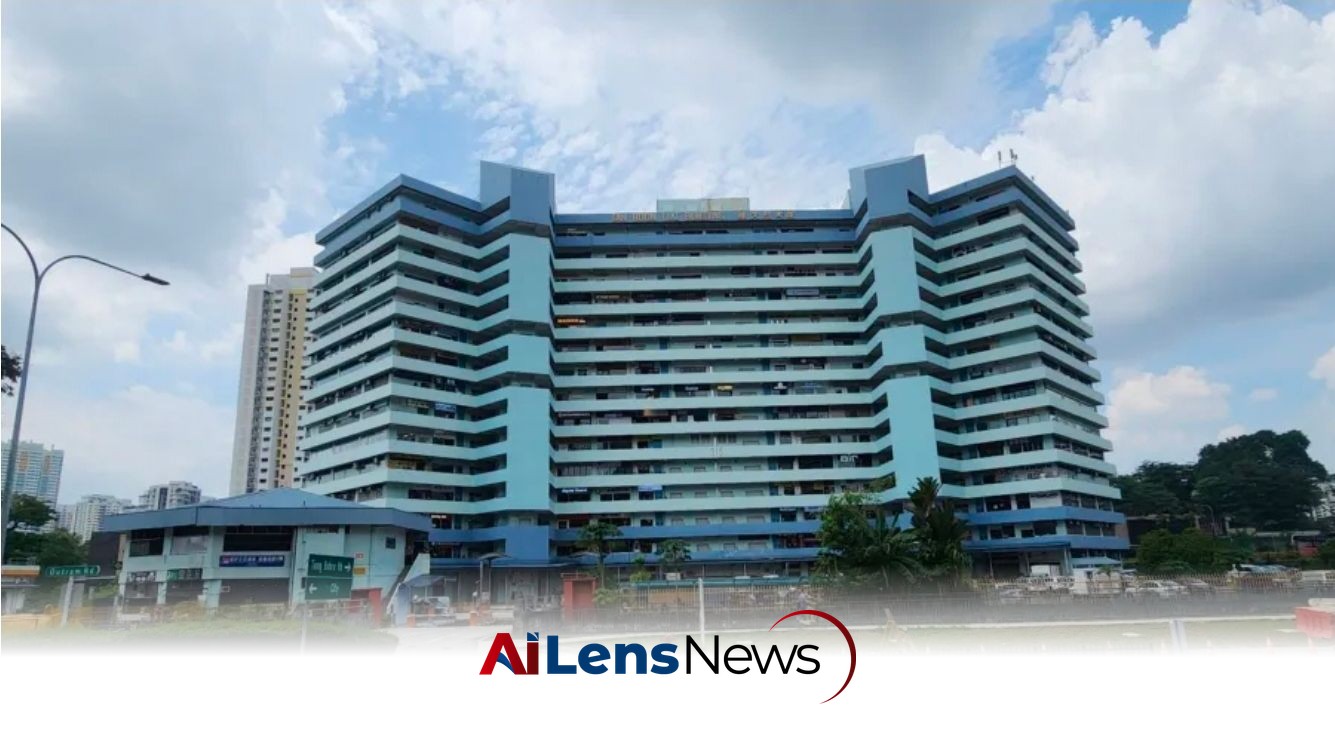


The Tan Boon Liat Building has been sold for S$950 million, marking Singapore's largest en bloc sale of 2026, after an earlier attempt at S$1.15 billion failed.
Singapore, Singapore Jul 23, 2026 ALN: The Tan Boon Liat Building has been sold in a collective sale to Kingsford Havelock Pte Ltd, a unit of Kingsford Group, for S$950 million, in what is expected to be Singapore’s largest en bloc transaction so far this year.
Cushman & Wakefield, which acted as the property’s exclusive adviser and marketing agent, said the deal marks the biggest collective sale completed in 2026 to date. This significant transaction highlights the robust real estate market in Singapore, particularly in the industrial and mixed-use sectors, where demand continues to outpace supply.
The 15-storey freehold industrial warehouse and showroom building at 315 Outram Road occupies two land parcels above Havelock MRT station on the Thomson-East Coast Line, near the junction of Outram and Zion roads. This strategic location not only enhances accessibility but also positions the property within a vibrant urban precinct that is witnessing rapid development and transformation.
The sale comes after an earlier attempt to secure a buyer fell short, despite the freehold tenure and the fact that there was no Additional Buyer’s Stamp Duty (ABSD) to be levied as the original site has a ‘Business 1’ zoning. The absence of ABSD is particularly appealing to developers, as it reduces the upfront costs associated with acquiring the property, thereby making the investment more attractive.
The property was first launched for collective sale about a year ago with an asking price of S$1.15 billion, but no deal was reached. It was subsequently relaunched for public tender this year after owners representing more than 80 percent of the strata area and share value agreed to reduce the reserve price to S$1 billion. This decision to adjust the asking price reflects the realities of the current market conditions and the need for owners to be flexible in their expectations to facilitate a sale.
The site’s redevelopment potential has been strengthened by planning guidance issued by the Urban Redevelopment Authority (URA). In outline planning advice released in January 2025, the authority indicated it would support rezoning the land from “Business 1” to “Residential with Commercial at the 1st storey.” This change in zoning is significant as it aligns with Singapore’s broader urban planning goals, which aim to create more mixed-use developments that integrate residential living with commercial activities, thus enhancing the livability and vibrancy of urban areas.
Under the proposed planning parameters, the plot ratio could be increased from 3.1 to 4.9, raising the site’s allowable gross floor area by around 50 percent and significantly expanding its redevelopment capacity. The increase in plot ratio is a critical factor for developers, as it allows for a more profitable development by maximizing the use of the land while contributing to the overall density of the area.
URA also advised that several adjoining remnant state land parcels, with an estimated combined area of 1,365 square metres, could potentially be amalgamated with the development site. The final land area will be subject to a survey by the relevant authorities. This potential amalgamation could further enhance the value of the site and provide additional opportunities for comprehensive redevelopment, which is often more appealing to investors.
According to Cushman & Wakefield, any future redevelopment could incorporate as much as 1,500 square metres of commercial gross floor area on the first storey. The prescribed building heights of between 130 and 180 metres Singapore Height Datum could accommodate twin residential towers rising up to 48 storeys. This height allowance is particularly advantageous in a densely populated city like Singapore, where vertical development is often necessary to meet housing demands.
The successful sale of the Tan Boon Liat Building reflects the ongoing demand for prime real estate in Singapore, particularly in areas with significant redevelopment potential. Investors are increasingly looking towards properties that not only provide immediate returns but also offer long-term growth opportunities, especially in light of Singapore’s ambitious urban development plans.
The en bloc sale trend has been a notable feature of Singapore’s real estate landscape in recent years, driven by a combination of factors including low interest rates, a recovering economy, and a growing population. Developers are keen to acquire older properties for redevelopment into modern residential or mixed-use projects that align with current market preferences.
Furthermore, the government's focus on sustainable development and smart city initiatives has encouraged developers to invest in properties that can contribute to these objectives. As Singapore continues to evolve as a global city, the demand for innovative and sustainable real estate solutions is likely to grow, making transactions like the sale of the Tan Boon Liat Building increasingly common.
In conclusion, the sale of the Tan Boon Liat Building not only signifies a major milestone in Singapore’s real estate market for 2026 but also underscores the ongoing transformation of urban spaces in the city-state. As developers and investors navigate the complexities of the market, the emphasis on strategic location, redevelopment potential, and alignment with government planning policies will remain paramount in shaping future transactions and developments in Singapore's dynamic property landscape.
To understand the implications of this sale, it is essential to recognize the broader context of Singapore's real estate market. Over the last decade, Singapore has seen a significant transformation in its urban landscape, driven by government initiatives aimed at enhancing urban living conditions and increasing the availability of housing. The government's Urban Redevelopment Authority has been pivotal in this process, providing a framework for sustainable development that balances economic growth with environmental considerations.
Moreover, Singapore's population has been steadily increasing, leading to heightened demand for residential and commercial spaces. This demographic shift is not only a result of natural population growth but also of immigration policies that have attracted foreign talent and investment. As the population grows, so does the need for innovative housing solutions that cater to diverse lifestyles and preferences.
The Tan Boon Liat Building's sale is emblematic of a broader trend where older industrial properties are being repurposed to meet modern needs. This shift is particularly relevant in a city-state like Singapore, where land is scarce, and maximizing the utility of available space is crucial. Developers are increasingly looking to convert traditional industrial spaces into mixed-use developments that offer both residential units and commercial facilities, thereby creating vibrant communities that foster social interaction and economic activity.
Additionally, the financial landscape plays a significant role in shaping the real estate market. The current low interest rate environment has made borrowing more accessible, encouraging developers to pursue ambitious projects. This financial backdrop, combined with a recovering economy post-pandemic, has instilled confidence in investors, prompting them to seek opportunities in the property market.
The implications of the Tan Boon Liat Building sale extend beyond immediate financial returns. The redevelopment of this site is likely to contribute to the overall urban fabric of Singapore, enhancing connectivity and accessibility in the region. As new developments emerge, they will not only provide housing but also create jobs and stimulate local economies, thereby reinforcing Singapore's position as a global business hub.
In summary, the sale of the Tan Boon Liat Building is a significant event in Singapore's real estate landscape, reflecting ongoing trends in urban redevelopment, demographic shifts, and economic recovery. As the city continues to evolve, the focus on creating sustainable, integrated communities will remain a priority, influencing future developments and shaping the experiences of residents and visitors alike.
To learn more about the latest developments in Real Estate, stay updated with our exclusive reports and analyses on AiLensNews.

