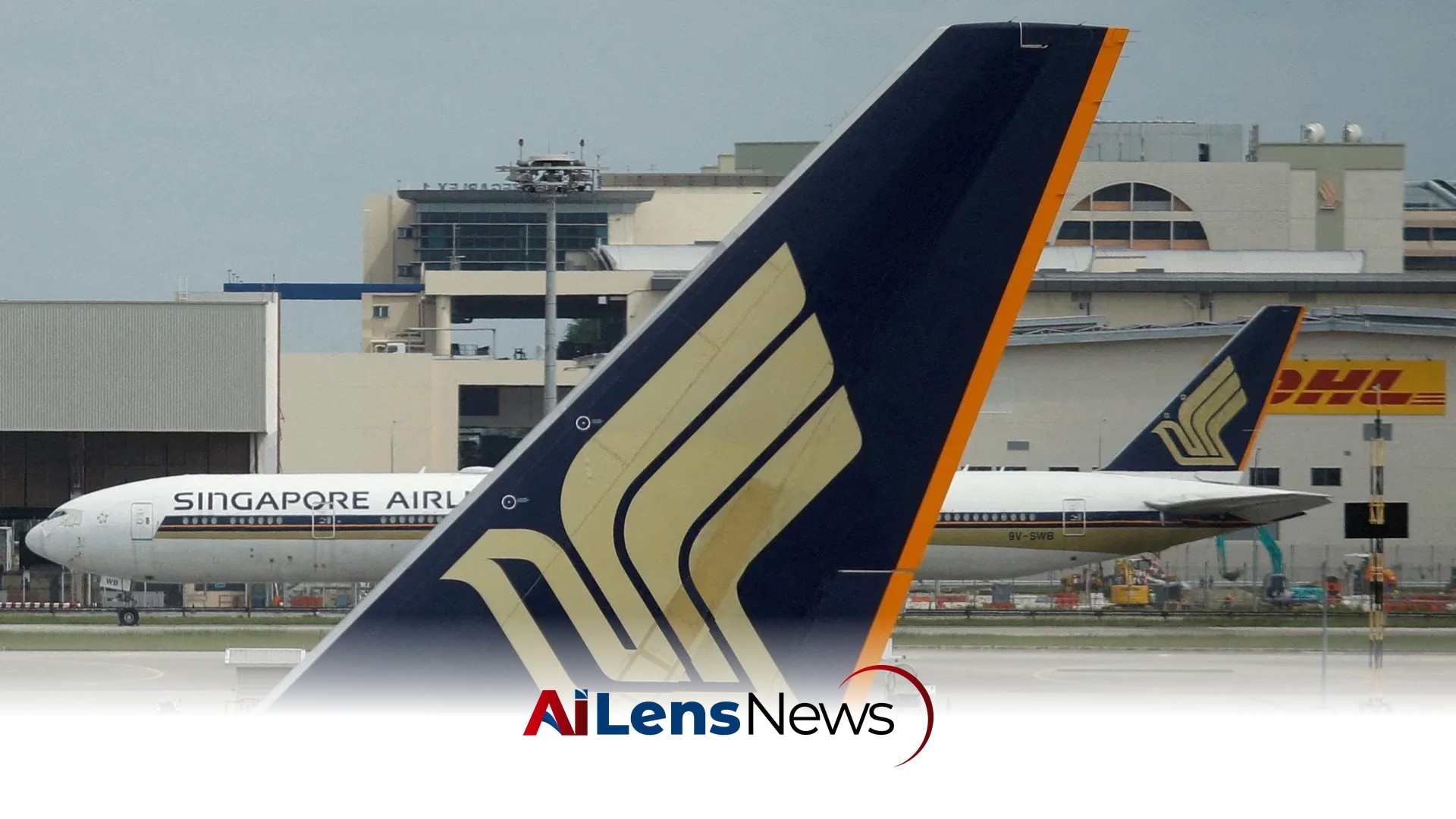


Singapore Airlines and Far East Orchard face significant developments affecting their stock trading, with SIA defending its Air India investment and Far East Orchard's legal challenges.
Singapore, Singapore Jul 20, 2026 ALN: [SINGAPORE] The following companies saw new developments that may affect trading of their securities on Monday (Jul 20):
Singapore Airlines (SIA): The national carrier has defended its investment in Air India on Friday, in a response to the Securities Investors Association (Singapore), before the company’s annual general meeting on Jul 24. SIA said the move allows the group to access growth opportunities which cannot be fully realised via a single hub model, where flights connect only through one airport. Shares of SIA ended Friday 0.5 per cent or S$0.04 higher at S$7.65 before the news.
Singapore Airlines, a key player in the global aviation industry, has made headlines with its strategic investment in Air India, which is a significant move given the evolving landscape of international air travel. The investment reflects a broader trend among airlines to forge partnerships and alliances that enable them to expand their reach and enhance operational efficiency. SIA's defense of this investment underscores its confidence in Air India's potential for growth and recovery, especially as the aviation sector continues to rebound from the impacts of the COVID-19 pandemic.
The airline industry has faced unprecedented challenges over the past few years, with travel restrictions and safety concerns leading to a dramatic decline in passenger numbers. However, as countries begin to reopen their borders and vaccination rates increase, airlines are looking to capitalize on pent-up demand for travel. In this context, SIA's investment in Air India can be seen as a strategic move to position itself advantageously in a competitive market.
Furthermore, SIA's emphasis on the need for a multi-hub strategy highlights a significant shift in airline operations. Traditionally, airlines have operated on a hub-and-spoke model, where flights are routed through a central hub. However, as the market evolves, there is a growing recognition that airlines must diversify their operations to tap into new markets and customer segments. By investing in Air India, SIA aims to leverage the Indian market's growth potential, which is one of the fastest-growing aviation markets in the world.
The Indian aviation market has shown remarkable resilience and growth potential, bolstered by a burgeoning middle class, increasing disposable incomes, and a growing appetite for air travel. This investment can provide SIA with a foothold in one of the largest and most populous countries, allowing it to benefit from the expanding demand for both domestic and international travel. Moreover, Air India, with its extensive network and established brand, presents an opportunity for SIA to enhance its operational capabilities and service offerings in the region.
In addition to the strategic implications of this investment, there are also financial considerations. SIA's shares experienced a modest increase following the announcement, indicating that investor sentiment remains positive despite the uncertainties surrounding the airline industry. This is a critical factor for SIA, as maintaining investor confidence is essential for securing funding and sustaining operations in a challenging economic environment. Investors are likely to be closely watching how SIA navigates this investment and the potential returns it may generate in the future.
The airline industry is undergoing a transformation as it adapts to new consumer behaviors and preferences shaped by the pandemic. Travelers are increasingly seeking flexible booking options, enhanced safety measures, and improved customer service. SIA's investment in Air India can be viewed as a proactive step to align with these changing dynamics and to innovate in service delivery. By collaborating with Air India, SIA may also be able to share best practices and operational efficiencies that can enhance its overall service quality.
Far East Orchard: The Singapore Court of Appeal on Friday ruled that an equitable rescission claim against Far East Orchard’s associated company, FEOpus, will proceed to trial. While the six remaining claimants are seeking the return of over S$20.2 million or alternative damages, Far East Orchard on Monday said that its 20 per cent effective interest limits its financial exposure to a non-material level. This follows the initial June 2024 announcement, where FEOpus was originally served with claims by 13 unit owners regarding the SBF Center commercial development.
The legal proceedings involving Far East Orchard and its associated company FEOpus shed light on the complexities of real estate investments and the potential risks involved. The claimants, who are unit owners of the SBF Center, are seeking redress for their grievances, which could have financial implications not only for FEOpus but also for Far East Orchard. The company's assertion that its financial exposure is limited due to its minority stake is an important point, as it suggests that the potential liabilities may not significantly impact its overall financial health.
This situation highlights the importance of transparency and effective communication in the real estate sector, particularly when disputes arise. Investors and stakeholders often closely monitor legal challenges, as they can affect market perceptions and influence investor decisions. Far East Orchard's proactive stance in addressing the claims and its commitment to limit financial exposure may help mitigate any negative sentiment in the market.
Moreover, the developments related to both Singapore Airlines and Far East Orchard illustrate the dynamic nature of the stock market and the various factors that can influence trading activities. Investors must navigate a complex landscape where corporate strategies, legal challenges, and market conditions intersect. The ability to adapt to changing circumstances and respond to stakeholder concerns is crucial for companies operating in today's fast-paced environment.
The implications of these developments extend beyond the individual companies involved. For Singapore Airlines, the investment in Air India may set a precedent for future investments and partnerships, potentially encouraging other airlines to explore similar strategies. This could lead to a more interconnected global aviation network, where airlines collaborate to enhance their service offerings and operational efficiencies.
As Singapore Airlines prepares for its annual general meeting on July 24, stakeholders will be keenly observing the discussions surrounding its investment in Air India and the broader implications for its business strategy. Similarly, the ongoing legal proceedings involving Far East Orchard will be closely watched by investors and analysts alike, as they seek to understand the potential impact on the company's financial performance and market position.
In conclusion, the recent developments surrounding Singapore Airlines and Far East Orchard highlight the complexities and challenges faced by companies in the aviation and real estate sectors. As they navigate these challenges, the importance of strategic decision-making, effective communication, and stakeholder engagement cannot be overstated. The outcomes of these situations will not only influence the companies involved but may also have broader implications for the Singaporean economy and the investment landscape as a whole.
To learn more about the latest developments in Corporate & Industry Insights, stay updated with our exclusive reports and analyses on AiLensNews.

