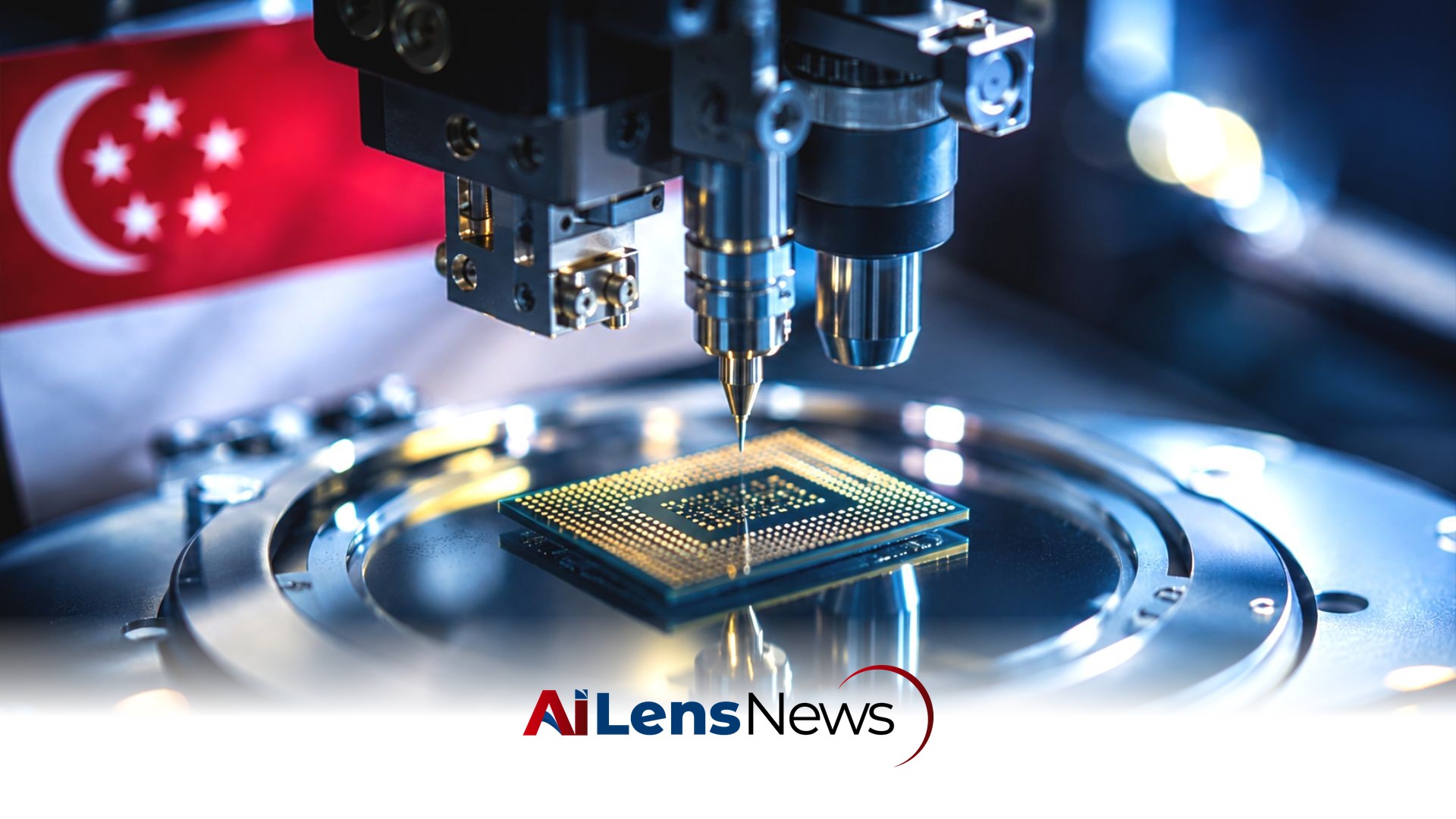


A significant shift in retail investment trends shows nearly 70% of investors are betting on semiconductor companies, driven by a surge in electronics exports.
Singapore, Singapore Jul 13, 2026 ALN: Nearly seven in 10 retail investors are betting on semiconductor and chipmaker firms to capture artificial intelligence-driven gains as Singapore’s electronics exports nearly doubled on the back of strong demand for AI-related products, according to a recent survey conducted by Opinium for eToro. The survey, which was conducted from May 14 to 29, covered 11,000 retail investors across 13 countries, including 1,000 respondents from Singapore. This surge in interest reflects a broader trend where investors are increasingly focusing on sectors that are poised to benefit from advancements in artificial intelligence.
The semiconductor industry, in particular, has emerged as a focal point for investment due to its critical role in powering AI technologies. As AI applications proliferate across various sectors, the demand for chips that can handle complex computations and data processing has skyrocketed. The survey indicated that other investors were also betting on AI gains from large technology platforms integrating AI (39%) and AI-first companies (35%), showcasing a diversified approach to investing in the AI landscape.
This growing enthusiasm for semiconductor stocks is further corroborated by recent data on Singapore’s electronics non-oil domestic exports (NODX), which jumped an impressive 94.8% year-on-year in May, following a 66.7% increase in April. This remarkable growth is largely driven by heightened demand for integrated circuits (ICs), disk media, and personal computers (PCs), all of which are essential components for AI technologies. The semiconductor sector's performance is often seen as a bellwether for the overall health of the tech industry, and the current trends suggest a robust demand environment.
According to eToro market analyst Zavier Wong, “The sector had a remarkable run, and that held even against a backdrop of tariff noise and geopolitical uncertainty.” Wong's insights highlight the resilience of the semiconductor industry amid challenges such as trade tensions and the ongoing geopolitical landscape, which have historically influenced market dynamics. The analyst also pointed out that a visible pipeline of developments involving companies such as SpaceX, OpenAI, and Anthropic later this year could continue to draw investor attention, further fueling interest in the sector.
The survey results also revealed a shift in investor sentiment, with 51% of respondents expecting prices of AI-related stocks to rise, up from 49% in the first quarter of the year. This increase in optimism comes as technology remains the top intended investment sector for the fourth consecutive quarter, with tech holdings rising from 54% in the fourth quarter of 2025 to 57%. Such data points indicate a growing confidence among retail investors in the potential of technology, particularly in the context of AI advancements.
Interestingly, the survey found that 36% of respondents increased their investment allocation despite ongoing economic uncertainty, while 58% opted to keep their portfolios steady. Only 6% reported reducing their exposure to the market. This behavior may suggest that investors are willing to take calculated risks in pursuit of higher returns, particularly in sectors they believe are poised for growth, such as semiconductors.
However, it is important to note that geopolitical risks remain a significant concern among investors. The survey indicated that international conflict was viewed as the biggest external risk to investments by 26% of respondents, down from 34% in the first quarter. This decline may reflect a slight easing of investor fears, but it underscores the ongoing volatility in global relations that could impact market performance. Other concerns included the state of the global economy (25%) and inflation (24%), with only 35% of investors expressing confidence in the global economic outlook.
The implications of these trends are multifaceted. On one hand, the strong demand for semiconductors driven by AI advancements presents a significant opportunity for growth and innovation within the sector. Companies that are able to effectively capitalize on this demand may see substantial financial benefits, not only bolstering their own revenues but also contributing to overall economic growth in regions heavily invested in technology. The semiconductor industry is critical to the infrastructure of modern technology, and its growth can have a ripple effect across various sectors, including automotive, healthcare, and consumer electronics.
On the other hand, the persistent geopolitical tensions and economic uncertainties could pose challenges for the semiconductor industry and the broader tech sector. Investors must navigate these complexities while making decisions about their portfolios. The interplay between technological advancements and external economic factors will likely shape the investment landscape in the coming months. The semiconductor supply chain, for instance, is highly sensitive to geopolitical issues, particularly between major players like the United States and China. Disruptions in this supply chain can lead to increased costs and delays, impacting the profitability of companies within the sector.
As the semiconductor sector continues to thrive, it remains to be seen how these trends will evolve in the coming months. The ongoing development of AI technologies and their integration into various industries will likely keep semiconductor stocks in the spotlight. Investors will be closely monitoring the performance of key players in the sector, as well as any shifts in the global economic environment that could impact their investment strategies. Furthermore, the regulatory landscape surrounding technology and data privacy may also influence investor sentiment and market performance.
In conclusion, the current enthusiasm for semiconductor stocks among retail investors highlights a significant trend towards AI-driven investments. As the sector experiences unprecedented growth, investors are positioning themselves to capitalize on the potential gains. However, they must remain vigilant of the geopolitical and economic factors that could influence market dynamics. The coming months will be critical in determining the trajectory of semiconductor stocks and the broader technology sector as they navigate both opportunities and challenges in an ever-evolving landscape. The resilience of the semiconductor industry amidst economic uncertainties and its pivotal role in the AI revolution will likely continue to attract significant investor interest, shaping the future of investment strategies in technology.
To learn more about the latest developments in Corporate & Industry Insights, stay updated with our exclusive reports and analyses on AiLensNews.

