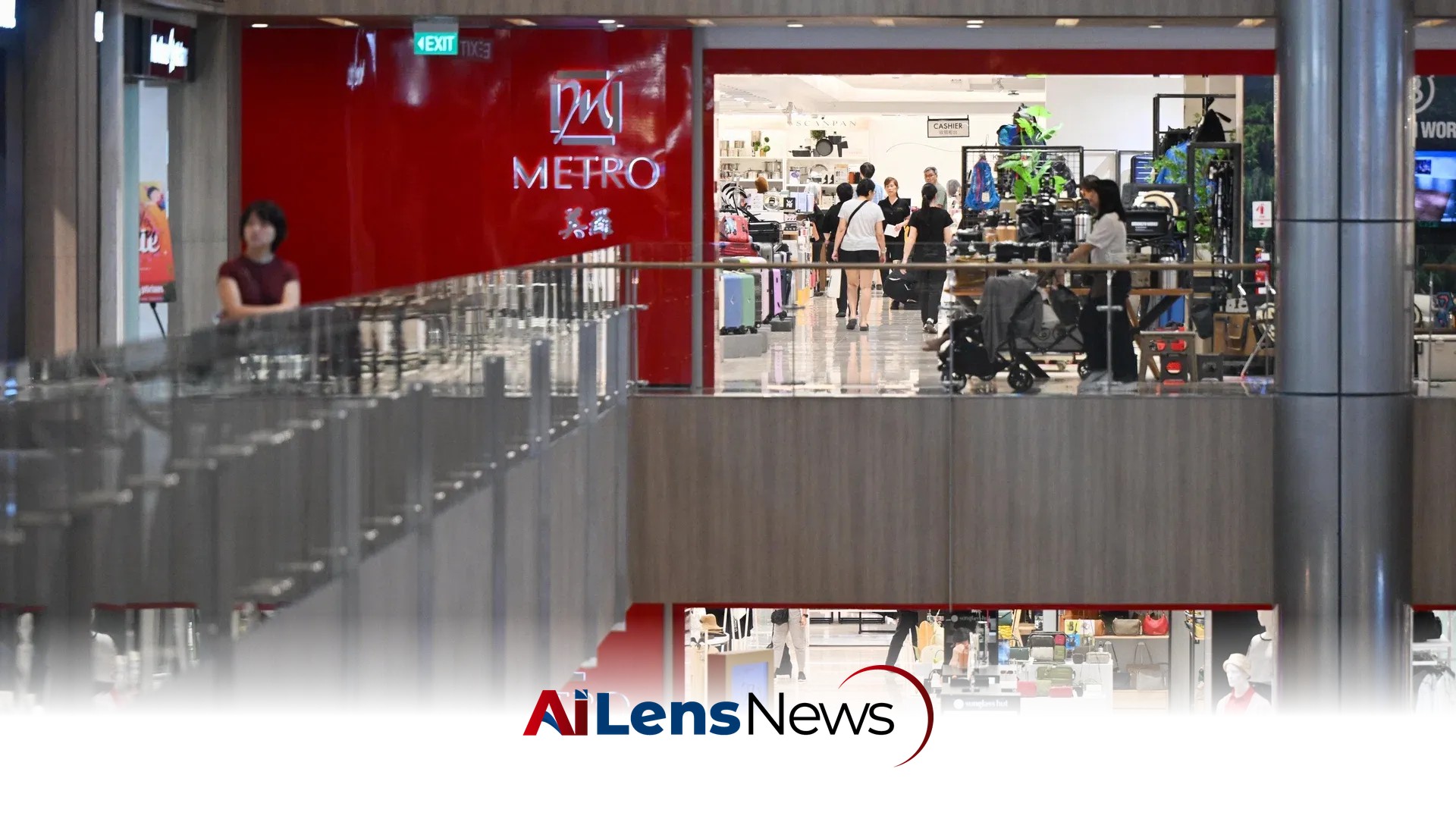


Metro's decision to close its department stores aims to adapt to changing consumer preferences and improve its retail strategy amidst challenging market conditions.
Singapore, Singapore Jul 21, 2026 ALN: [SINGAPORE] Metro, a prominent retail chain in Singapore, has announced the impending closure of its department stores located at Paragon and Causeway Point upon the expiration of their leases. This decision comes after a comprehensive strategic review of the group’s retail operations, reflecting the shifting dynamics within the retail sector.
The specific timeline regarding when these leases will expire has not been disclosed, which leaves some uncertainty for both employees and customers who frequent these locations. The Paragon store, situated in the Orchard Road shopping belt, has been a staple for shoppers seeking a variety of products, while Causeway Point, located in Woodlands, serves a different demographic with its diverse retail offerings.
In a filing with the Singapore Exchange dated July 20, Metro indicated that it is exploring a range of alternative retail formats. These include smaller-format stores, multi-speciality concept stores, curated retail experiences, and pop-up store initiatives. This pivot suggests that Metro is seeking to innovate and adapt to the evolving preferences of consumers who increasingly favor convenience, variety, and personalized shopping experiences over traditional department store offerings.
Metro's group chief executive, Yip Hoong Mun, emphasized that the new retail strategy is aimed at aligning with customers' evolving expectations. The flexibility to introduce new concepts, brands, and partnerships is seen as essential in a rapidly changing retail landscape. This approach is indicative of a broader trend in the retail industry, where many traditional retailers are reassessing their business models in response to competition from e-commerce and changing consumer behaviors.
Currently, Metro is in discussions with its existing landlords as well as other potential landlords to implement these new concept stores. The transition from the traditional large-format department store model to a more flexible retail approach is part of a strategic response to the challenges faced in the retail sector. The company intends to progressively implement this transition, though it is still finalizing the timeline for its new retail strategy and assessing the financial implications of these changes.
Despite the significant shift in strategy, Metro does not foresee a material impact on its net assets or earnings per share for the financial year ending March 31, 2027. This suggests that the management is cautiously optimistic about the transition and its potential to rejuvenate the brand without incurring substantial immediate financial losses.
Metro's decision to close its stores is set against the backdrop of a challenging retail environment in Singapore. The retail sector has been grappling with various pressures, including inflation, which has affected consumer sentiment and spending habits. In recent years, many retailers have reported subdued sales, and Metro is no exception. In its results presentation for the year ending March 31, the company acknowledged that retail sales were expected to remain subdued, which would likely continue to impact the performance of its department stores at Paragon and Causeway Point, as well as its online platforms.
The closure of these stores is also significant in the context of the broader retail landscape in Singapore. As consumer preferences shift towards more experiential and convenient shopping options, traditional department stores are finding it increasingly difficult to attract foot traffic. This trend has been exacerbated by the COVID-19 pandemic, which accelerated the shift to online shopping and altered consumer behaviors. Retailers are now challenged to offer unique experiences that cannot be replicated online, and many are experimenting with new formats to remain competitive.
The implications of Metro's closure extend beyond its immediate operations. The company has been a key player in the retail landscape of Singapore, and its departure from Paragon and Causeway Point may leave gaps that other retailers will need to fill. As shopping habits evolve, the demand for certain types of retail experiences is shifting. Consumers are increasingly looking for stores that provide not just products, but also experiences, community engagement, and personalized service.
In light of these changes, CapitaLand Integrated Commercial Trust, which recently acquired Paragon, has indicated plans to optimize and selectively reconfigure certain areas within the mall. This strategy aims to enhance the tenant mix and introduce fresh concepts and experiences, potentially filling the void left by Metro's departure. Such initiatives are crucial as malls seek to attract shoppers back to physical retail spaces in an era where online shopping has become increasingly dominant.
Meanwhile, Causeway Point's landlord, Frasers Centrepoint Trust, will also need to consider the implications of Metro's closure and how to best utilize the space that will become available. The challenge will be to find tenants that can draw customers and provide a diverse shopping experience that appeals to the local demographic. This might include introducing new brands that resonate with the community or creating spaces that encourage social interaction, such as cafes or event areas.
Overall, Metro's decision to close its department stores at Paragon and Causeway Point marks a significant shift in its retail strategy. It reflects a broader trend in the industry as retailers adapt to changing consumer preferences and the challenges posed by an increasingly digital marketplace. The implications of this transition will likely be felt not only by Metro but also by the surrounding retail ecosystem, as landlords and other retailers adjust to the evolving landscape of consumer expectations and shopping habits.
As the retail industry continues to evolve, the emphasis on agility and innovation becomes paramount. Metro's move to explore smaller, more flexible retail formats is a reflection of the industry's need to pivot quickly in response to market demands. The success of these new initiatives will depend on Metro's ability to effectively engage with its customer base and provide offerings that meet their needs in a rapidly changing environment.
In conclusion, the closure of Metro's department stores at Paragon and Causeway Point is not just a corporate decision; it is a microcosm of the larger challenges facing the retail sector today. As retailers navigate the complexities of consumer behavior, economic pressures, and technological advancements, the ability to adapt and innovate will be critical for survival. The future of retail in Singapore will likely involve a blend of traditional and modern approaches, as businesses strive to create value and relevance in an increasingly competitive landscape.
To learn more about the latest developments in Retail & Consumer, stay updated with our exclusive reports and analyses on AiLensNews.

