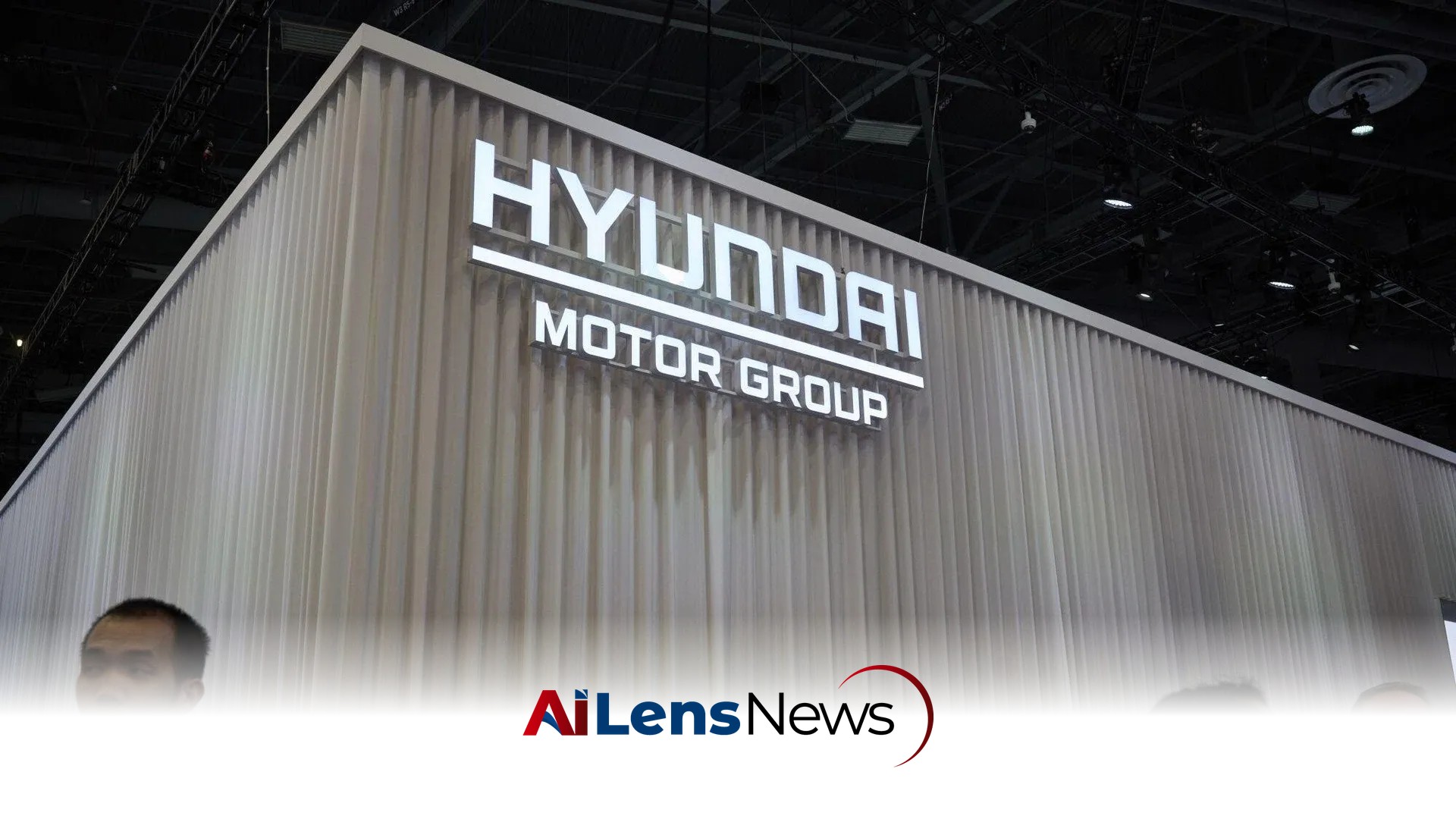


Hyundai Motor's Q2 operating profit fell to 2.9 trillion won, missing forecasts due to weaker sales and rising costs.
Singapore, Singapore Jul 23, 2026 ALN: Hyundai Motor Company, a key player in the global automotive industry, has reported a significant decline in its operating profit for the second quarter of the year. The company announced a 21 percent drop in operating profit on Thursday, July 23, a development that has raised concerns among investors and analysts alike. This decline comes amidst a backdrop of various challenges that have affected the automotive sector, including weaker vehicle sales, disruptions in production, and rising costs associated with raw materials and energy.
For the April to June period, Hyundai Motor reported an operating profit of 2.9 trillion won, which is approximately US$1.98 billion. This figure is down from 3.6 trillion won during the same period last year, highlighting a stark contrast in performance year-over-year. Furthermore, the reported profit fell short of analysts' expectations, which had forecasted an operating profit of 3.2 trillion won, according to LSEG SmartEstimate. This estimate is notably weighted toward analysts who have shown a consistent track record of accuracy in their forecasts.
Despite the downturn in operating profit, Hyundai did report a modest increase in revenue, which rose by 2 percent compared to the previous year, reaching 49.2 trillion won. This revenue growth could be attributed to various factors, including an increase in the average selling price of vehicles and a slight uptick in demand for certain models. However, the overall picture remains complicated by the aforementioned challenges, which have put pressure on the company's margins and operational efficiency.
Following the earnings announcement, shares of Hyundai Motor experienced a slight uptick, rising by 2 percent. This reaction from the stock market may suggest that investors are cautiously optimistic about the company's long-term prospects, despite the immediate challenges reflected in the quarterly results. The increase in share price could also indicate that investors are taking into account the broader context of the automotive market, which has been under pressure from multiple fronts, including shifts in consumer behavior and increased competition.
Hyundai Motor has indicated that it expects macroeconomic uncertainty to persist, which could further complicate its operational landscape. The company has also acknowledged that competition within the automotive industry is likely to intensify, as manufacturers grapple with similar challenges. This competitive pressure is exacerbated by the ongoing transition to electric vehicles (EVs) and the need for significant investments in new technologies and infrastructure. The EV market has been growing rapidly, driven by consumer demand for more sustainable transportation options, and companies that fail to adapt may risk losing market share.
The automotive sector is currently facing a myriad of challenges that extend beyond Hyundai's specific circumstances. Rising energy costs, which have surged in recent months due to geopolitical tensions and supply chain disruptions, have placed additional financial strain on car manufacturers. Furthermore, tariffs imposed by the United States on certain imported goods have created further complications for companies that rely on global supply chains. These tariffs have particularly affected the sourcing of raw materials and components, which are critical for vehicle production, and have led to increased costs that manufacturers have struggled to pass on to consumers.
Additionally, the conflict in the Middle East has contributed to fluctuations in oil prices, which can impact both manufacturing costs and consumer demand for vehicles. As fuel prices rise, consumers may become more hesitant to purchase new vehicles, especially those with larger engines that consume more fuel. This hesitancy can lead to decreased sales, further compounding the challenges faced by automakers. The interplay between fuel prices and consumer preferences is crucial, as it can dictate the types of vehicles that are in demand and subsequently influence manufacturers' production strategies.
In light of these factors, Hyundai Motor's weak performance serves as a microcosm of the broader issues facing the automotive industry. Many manufacturers are struggling to navigate the complexities of a changing market, where consumer preferences are shifting towards more sustainable and efficient vehicles. The transition to electric mobility is not only a technological challenge but also a financial one, as companies must invest heavily in research and development while managing existing product lines. The need for innovation is pressing, but it must be balanced with the realities of financial performance and operational viability.
Hyundai has made significant strides in its electric vehicle offerings, aiming to position itself as a leader in the EV market. The company has invested in developing a range of electric models and expanding its production capabilities to meet anticipated demand. However, the company must balance this ambition with the immediate pressures of profitability and operational efficiency. The need to innovate while maintaining financial stability is a delicate balancing act that many automakers are currently facing, as the industry shifts toward a more electrified future.
Looking ahead, Hyundai Motor will likely need to adopt a multifaceted strategy to address the challenges it faces. This could involve enhancing its production capabilities, optimizing supply chain management, and continuing to invest in new technologies. Additionally, the company may need to explore partnerships and collaborations that can help mitigate risks associated with raw material sourcing and production disruptions. Such partnerships could also facilitate knowledge sharing and innovation, which are critical in an industry that is rapidly evolving.
In conclusion, Hyundai Motor's recent financial performance reflects the broader struggles of the automotive industry as it grapples with a range of external pressures. The company's ability to navigate these challenges will be critical in determining its future success in an increasingly competitive and dynamic market. As the industry continues to evolve, Hyundai's strategies will be closely watched by investors, analysts, and consumers alike, all of whom are keenly interested in the company's next moves in this challenging landscape. The coming months will be crucial for Hyundai as it seeks to adapt to changing market conditions and consumer preferences while maintaining its position in the global automotive sector.
To learn more about the latest developments in Financial Literacy, stay updated with our exclusive reports and analyses on AiLensNews.

