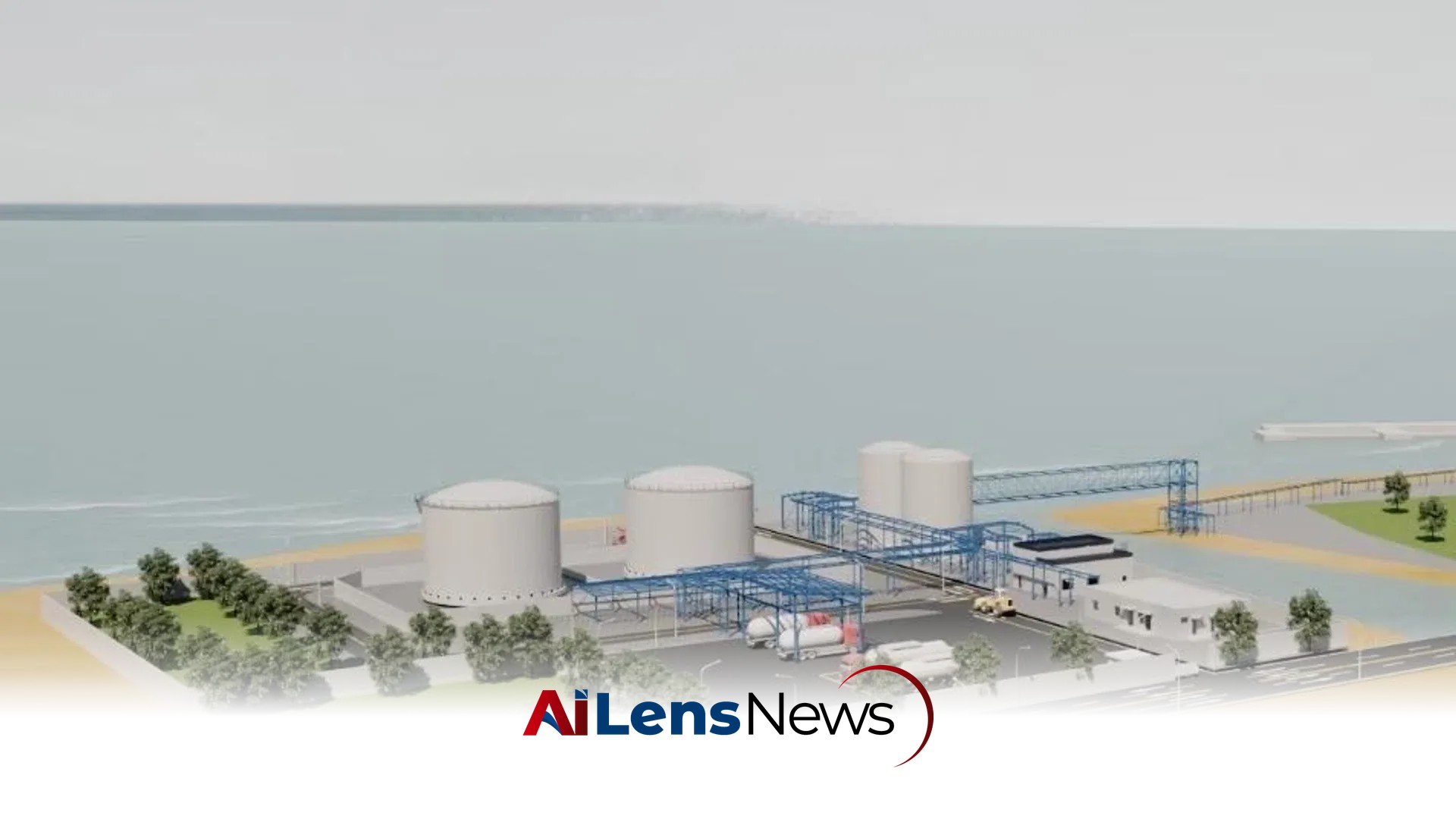


Singapore's Global Group is expanding its operations in Timor-Leste with a new US$10 million fuel storage terminal, enhancing local energy security.
Singapore, Singapore Jul 13, 2026 ALN: [DILI] On Sunday (Jul 12), Singapore oil and gas firm Global Group began the construction of its first fuel storage terminal in Timor-Leste, where the company said it commands nearly two-thirds of the onshore fuel market. This significant investment underscores the growing importance of the oil and gas sector in the nation’s economy, which has been characterized by both potential and challenges since gaining independence from Indonesia in 2002.
The new facility is targeted for completion in 10 months and will comprise two floating-roof tanks with a total storage capacity of 6 million liters—3.5 million liters for diesel and 2.5 million liters for petrol. This construction is part of a broader strategy to enhance the company’s operational capabilities in a market that has seen a surge in demand for fuel, driven by both local consumption and the needs of various industries, including construction and maritime operations. Further expansion of the group’s storage capacity is planned for 2030, indicating a long-term commitment to the region.
The US$10 million tank farm is situated on a 2-hectare plot of land—approximately the size of three football fields—in Liquica, a municipality located off the northern coast of the half-island nation. The strategic location is expected to facilitate easier distribution of fuel to the group’s existing network of operations across the country. Fuel stored at this facility will be used to supply the group’s national retail and wholesale operations, which currently includes nine petrol stations nationwide. Additionally, Global Group supplies fuel to major construction projects and naval vessels that call on the country’s ports, further solidifying its role as a key player in the energy sector.
Director Julian Chiang expressed optimism about the growth trajectory of the company’s operations in Timor-Leste, stating that building its own oil terminal affords the group’s Timor-Leste unit greater operational strength and better control of its fuel inventory. He noted that the country is at a pivotal moment, ready for a major spurt in growth, particularly following its recent entry into the Association of Southeast Asian Nations (ASEAN). The government’s intentions to chair the regional bloc in 2029, its national development plans, and the increasing interest from foreign investors all contribute to this optimistic outlook.
Chiang highlighted that the group’s Timor-Leste operations have experienced consistent top-line growth of at least 8 to 10 percent annually. Sales from its wholesale division have seen a remarkable increase, rising from approximately 300,000 liters a month in 2014 to more than 3.5 million liters a month in 2024. This growth trajectory not only reflects the rising demand for fuel in the country but also indicates the effectiveness of the group’s strategic initiatives in capturing market share.
Founded by three brothers, Global Group made its debut in Timor-Leste in 2012 as a heavy-equipment supplier, initially testing the market before venturing into fuel supply. The company has since focused on private projects developed by foreign state-owned companies, and it now boasts the largest fleet size in the country, comprising around 50 fuel trucks. This fleet is essential for supporting the logistics of fuel distribution across the nation, particularly in a country where infrastructure development is ongoing and often challenging.
Looking ahead, the fuel distributor has planned for a second phase of construction to commence in 2030 on the remaining portion of the site, which can “easily” accommodate another two storage tanks, according to Chiang. He expressed confidence that the extra capacity will be necessary, citing a sharp increase in investor activity in the region. The growing number of business visits and fact-finding missions indicates a robust interest in establishing new industries, which would, in turn, drive demand for additional fuel storage capacity.
Building its own storage facility is anticipated to yield significant cost savings and reduce dependence on third-party terminals. For the past six years, the group’s Timor-Leste operations have relied on an oil terminal operated by a subsidiary of Indonesian state-owned energy giant Pertamina for its monthly fuel imports. This arrangement has incurred throughput fees for fuel imported from the group’s parent operations in Singapore, costing approximately US$1.8 million annually, which has impacted the annual turnover of US$50 million to 60 million. Profits from the group’s Timor-Leste operations are estimated to be between US$2 million and 3 million, highlighting the financial stakes involved in this expansion.
Moreover, Pertamina’s oil terminal is slated for decommissioning and is expected to be relocated to a new site in Liquica, based on a 2018 environmental management plan commissioned under the government’s request. This relocation underscores the need for modern infrastructure that aligns with urban development and environmental considerations. Currently, the Pertamina facility is located in a densely developed area of Dili, surrounded by residential neighborhoods, cafes, and diplomatic missions, including the US and Malaysian embassies, which raises concerns about its operational impact on local communities.
Once completed, Global Group’s oil terminal will become Timor-Leste’s third such facility. Pertamina’s terminal has been operational since the 1980s, with a total storage capacity of 5.3 million liters, while the second tank farm, managed by Timorese energy company ETO, has a capacity of 9.2 million liters. The introduction of a new terminal is expected to enhance Timor-Leste’s energy security, a critical factor for a nation heavily reliant on oil imports. Chiang noted that 150,000 liters of fuel will be reserved for the government to utilize at any point in time, further strengthening the country’s energy resilience.
While the oil-reliant, resource-rich nation is poised for growth, the establishment of this terminal marks a significant step in ensuring a stable fuel supply for its burgeoning economy. The investment not only reflects the confidence of Global Group in the Timorese market but also highlights the potential for further development in the country’s energy sector. As Timor-Leste continues to navigate its post-independence journey, the successful execution of this project could serve as a model for future investments and infrastructure projects, paving the way for a more sustainable and self-sufficient energy landscape.
To learn more about the latest developments in Corporate & Industry Insights, stay updated with our exclusive reports and analyses on AiLensNews.

