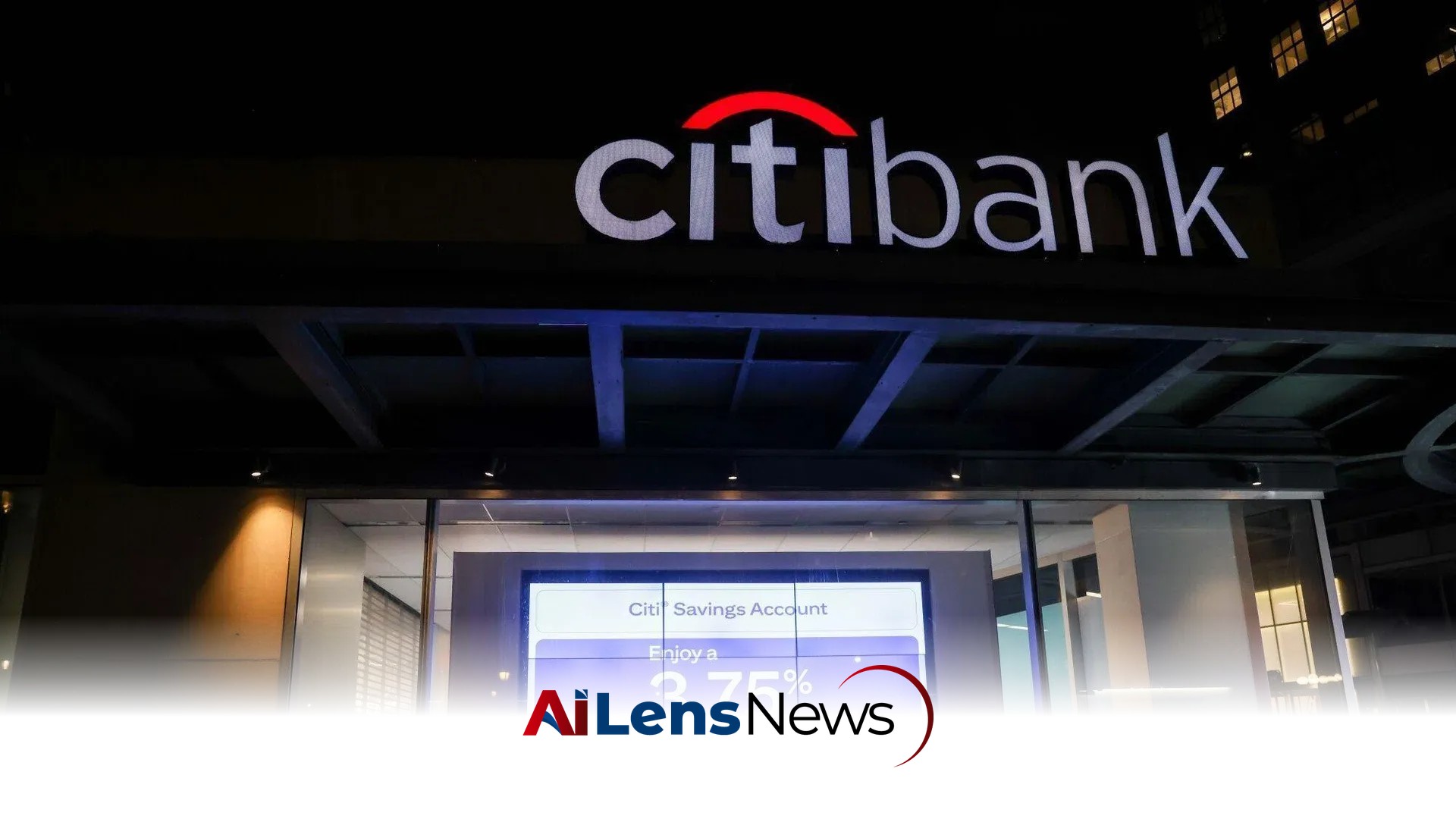


Citi's stock fell 4.2% as investor concerns over rising expenses overshadowed a record quarterly revenue of $24.8 billion and a 45% increase in net income.
Singapore, Singapore Jul 15, 2026 ALN: CitiGroup has recently reported a strong performance for the second quarter, surpassing Wall Street's expectations with a revenue of $24.8 billion, which represents a 14% increase compared to the previous year. This impressive performance, however, was met with a decline in the bank's shares, which fell by 4.2%. The drop is attributed to investor concerns regarding rising expenses that could potentially impact the bank's future profitability.
The surge in net income, which rose by 45% to $5.8 billion, or $3.15 per share, exceeded analysts’ forecasts of $2.74 per share. This robust performance was largely driven by significant gains in trading revenues amid a volatile market, as well as increased investment banking fees. The financial sector has experienced a resurgence in trading activity, primarily due to heightened market volatility, providing banks like Citi with opportunities to capitalize on increased demand for trading services.
Despite the impressive quarterly results, investor anxiety regarding potential expenses in the latter half of the year overshadowed the positive news. Analysts, including Mike Mayo from Wells Fargo and Ebrahim Poonawala from Bank of America, raised questions during the earnings call concerning Citi's expense forecasts and whether these indicated a challenging second half. Investors are particularly concerned about the bank's ability to manage its costs in light of ongoing investments in technology and infrastructure aimed at enhancing operational efficiency.
CEO Jane Fraser noted that the bank is contemplating accelerating some planned investments, but she reassured investors that no large acquisitions are on the horizon. Citi's restructuring efforts, which included divesting international consumer units and simplifying its organizational structure, have begun to yield results. However, the question remains whether these efforts will be sufficient to offset rising costs associated with expanding business lines and improving technology.
Citi's trading desks benefited significantly from market volatility, with revenues in equities and fixed-income markets rising by 45% and 7%, respectively. The bank's investment banking revenues also saw a substantial increase of 44%, reaching $1.55 billion. This growth in trading revenues reflects broader trends in the financial markets, where many institutions have reported increased trading volumes due to uncertainty in economic conditions and geopolitical tensions. Such conditions often lead to heightened trading activity as investors seek to hedge against potential risks.
Fraser highlighted the bank's involvement in major deals, including advising on SpaceX's record-breaking $75 billion IPO and the $44.8 billion merger of Unilever and McCormick's food businesses. These high-profile transactions underscore Citi's strong position in the investment banking sector, which has been buoyed by a resurgence in merger and acquisition activity as companies seek to consolidate and expand in an uncertain economic environment. Overall, Citi's total banking revenues rose by 34%, despite a slight decline in corporate lending revenue, indicating a shift in focus towards more lucrative trading and advisory services.
The U.S. consumer market remains resilient, supported by a solid labor market and wage growth. Citi's card division reported a 1% increase in revenue, with net income rising by 12% to $852 million. The bank's overall net interest income increased by 13% during the quarter, reflecting the impact of rising interest rates, which have benefited banks by widening their net interest margins. The ability to leverage rising interest rates is crucial for banks, as it allows them to earn more from loans compared to what they pay on deposits.
Citi is also focusing on expanding its wealth management business to provide more stable, fee-based revenue compared to the volatility associated with trading. The wealth management unit generated $3.18 billion in revenue, a 13% increase from the previous year. This strategic pivot towards wealth management is part of a broader trend among financial institutions seeking to diversify their revenue streams and reduce reliance on trading income, which can be subject to significant fluctuations due to market conditions. Wealth management not only provides stability but also caters to a growing affluent demographic looking for investment advice and financial planning.
Despite the strong quarterly performance, the market's reaction reflects concerns about the bank's expense management and future profitability. Investors are acutely aware that while current revenues are robust, the sustainability of this growth is contingent upon effective cost control and strategic investments. The ongoing geopolitical tensions, particularly the U.S.-Iran conflict, have also contributed to market volatility, impacting investor sentiment. Such geopolitical uncertainties can lead to fluctuations in market confidence, which in turn affects trading volumes and investment banking activities.
As Citi prepares for the second half of the year, it aims to maintain its momentum while addressing investor concerns about expenses and potential challenges ahead. The bank's ability to navigate these uncertainties will be crucial in sustaining investor confidence and achieving long-term growth. Analysts will be closely monitoring Citi's expense management strategies, as well as the effectiveness of its restructuring efforts, to gauge the bank's capacity to adapt to changing market conditions.
Furthermore, the implications of rising interest rates and inflationary pressures on consumer spending and borrowing will also play a significant role in shaping Citi's performance in the upcoming quarters. As the Federal Reserve continues to adjust its monetary policy in response to economic indicators, banks like Citi must remain agile in their strategies to capitalize on opportunities while mitigating risks associated with a shifting economic landscape.
In conclusion, while Citi's strong second-quarter results demonstrate the bank's resilience and ability to generate revenue in a challenging environment, the concerns surrounding future expenses and profitability highlight the complexities facing financial institutions today. The coming months will be critical as Citi seeks to balance growth with prudent expense management, ensuring it remains competitive in an evolving financial landscape. The bank's performance serves as a reflection of broader trends in the financial sector, where adaptability and strategic foresight will be essential for navigating future challenges.
To learn more about the latest developments in Corporate & Industry Insights, stay updated with our exclusive reports and analyses on AiLensNews.

