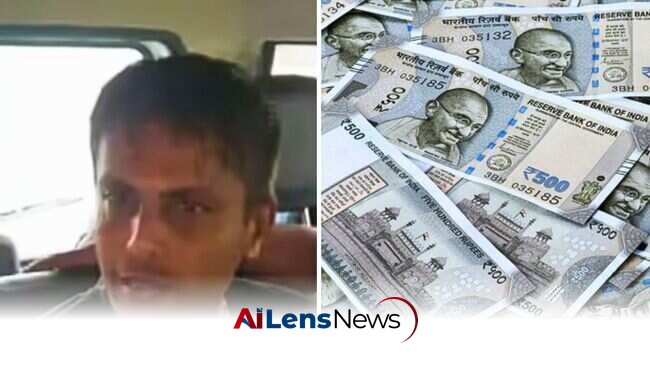


A fake Rs 500 note used to buy a packet of cigarettes from a grocery shop in Tumakuru led police to an alleged counterfeit currency printing unit on Bengaluru's outskirts. The main accused, an MBA graduate previously arrested in a fake currency case, was allegedly running the operation after recently being released from prison.
New Delhi, India Jul 8, 2026 ALN: A fake ₹500 note handed over while buying a packet of cigarettes from a grocery shop has led Karnataka Police to an alleged counterfeit currency printing unit operating on the outskirts of Bengaluru. This incident has not only resulted in the arrest of an MBA graduate but has also highlighted the ongoing issue of counterfeit currency in India, which continues to pose a significant challenge to the country's economy and security.
This particular case began when a shopkeeper, Anjana Shetty, a 56-year-old grocery store owner from Hosahalli Kaimara in CN Halli taluk of Tumakuru district, received a counterfeit ₹500 note during a routine transaction on July 2. After selling a packet of cigarettes to two men traveling in a blue Maruti Alto, Shetty noticed discrepancies in the note upon closer examination. Suspecting it to be fake, she promptly reported the incident to the Huliyaru police station, setting off an investigation that would soon lead authorities to a larger counterfeit currency operation.
The initial complaint from Shetty was crucial in triggering a series of investigative actions by the local police. The transaction, which seemed ordinary at first, turned into a pivotal moment for law enforcement. The act of purchasing cigarettes with counterfeit money is not uncommon; however, the quick thinking of Shetty to report the incident was instrumental in unraveling a more extensive network of counterfeit currency production.
In recent years, counterfeit currency has become a pressing issue in India, where the demand for cash remains high despite the growing trend towards digital payments. The Reserve Bank of India has been actively working to combat the circulation of fake notes, particularly after the demonetization move in 2016, which aimed to eliminate black money and counterfeit currency from the economy. However, the problem persists, with counterfeiters continuously finding ways to produce fake notes that can pass as genuine.
Following Shetty's complaint, a special investigation team comprising personnel from Huliyaru police and Madanayakanahalli police was formed to track down the suspects. Utilizing vehicle tracking and technical surveillance, the police were able to trace the movements of the blue Maruti Alto that had been used in the transaction. This led them to a hideout in Gangondanahalli, located near Madanayakanahalli on the outskirts of Bengaluru.
Upon raiding the location, law enforcement officials recovered a significant quantity of counterfeit currency notes. The operation was meticulously planned, and the police's ability to use technology and investigative techniques played a crucial role in swiftly identifying and apprehending the suspects involved in this illegal activity.
The primary suspect in this case, Rudresh, is an MBA graduate who had previously been implicated in a major counterfeit currency racket uncovered by Davanagere police in 2024. According to investigators, this earlier network had circulated nearly ₹20 lakh worth of fake currency within just three months. The fact that Rudresh had recently been released from prison only to allegedly resume his illegal activities raises concerns about the effectiveness of the rehabilitation and monitoring systems in place for former offenders.
Rudresh's background as an MBA graduate adds another layer of complexity to this case. It highlights that individuals involved in such criminal activities may come from educated and seemingly respectable backgrounds, challenging common stereotypes about counterfeiters. This situation underscores the need for a broader understanding of the motivations behind such crimes, which may include financial desperation, addiction issues, or a calculated decision to exploit weaknesses in the system.
During the raid on Rudresh's hideout, police seized a substantial amount of counterfeit currency notes. Investigators are currently working to determine the scale of the alleged operation, including how many fake notes had already entered circulation and whether additional individuals were involved in producing or distributing the counterfeit currency. The recovery of these notes is a significant step in understanding the extent of the counterfeit currency problem in the region.
Counterfeit currency not only affects the economy by undermining the value of genuine currency but also poses risks to businesses and consumers alike. The circulation of fake notes can lead to financial losses for retailers and can erode public trust in the monetary system. As such, the police's efforts to dismantle these operations are critical in maintaining stability.
Authorities have indicated that the investigation is ongoing, with efforts focused on identifying other members of the alleged network and establishing the full extent of the counterfeit currency operation. This includes tracing the source of the counterfeit notes and any potential connections to larger criminal organizations.
The implications of this case extend beyond the immediate arrest of Rudresh. It raises important questions about the effectiveness of current law enforcement strategies in combating counterfeit currency and the need for continued vigilance in monitoring financial transactions. The collaboration between local police and specialized investigative teams demonstrates a proactive approach to tackling these issues, but it also highlights the necessity for community awareness and involvement in reporting suspicious activities.
In conclusion, the arrest of Rudresh and the uncovering of the counterfeit currency operation serves as a reminder of the persistent challenges posed by counterfeit currency in India. The case exemplifies the importance of community engagement in law enforcement efforts and underscores the need for ongoing education about the risks associated with counterfeit notes. As investigations continue, authorities are hopeful that they will be able to dismantle the entire network and prevent further circulation of fake currency in the region.
To learn more about the latest developments in Corporate & Industry Insights, stay updated with our exclusive reports and analyses on AiLensNews.

