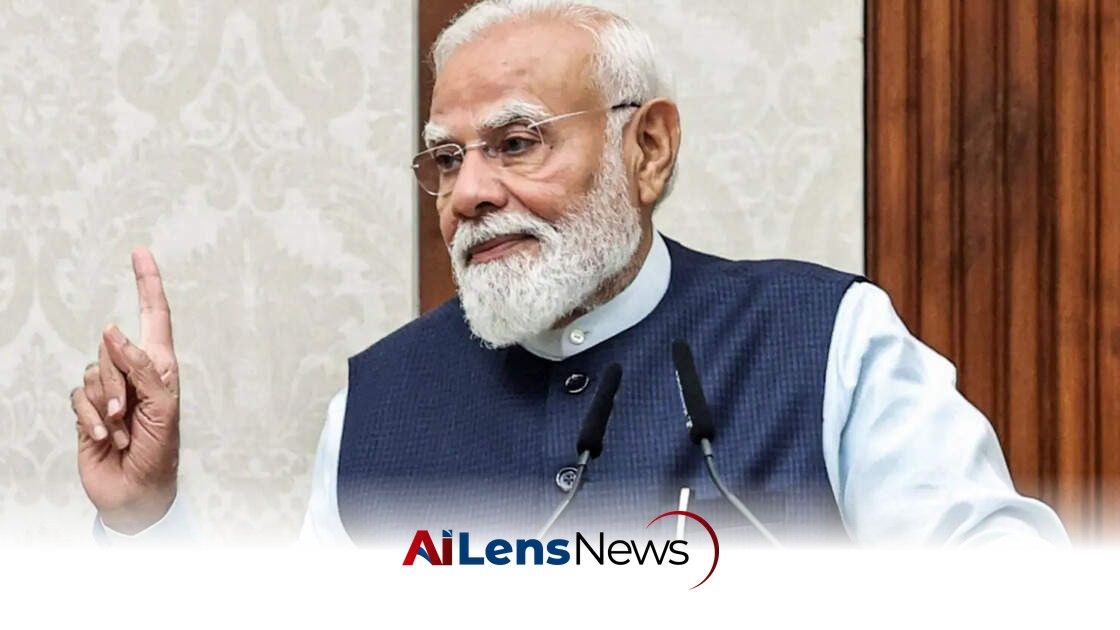


Prime Minister Narendra Modi and Union Home Minister Amit Shah are intensifying their engagement with Punjab, signaling a significant push by the BJP ahead of next year's assembly elections.
New Delhi, India Jul 4, 2026 ALN: In recent months, the Bharatiya Janata Party (BJP) has intensified its efforts to strengthen its political foothold in Punjab, a state that has historically posed challenges for the party. This renewed focus is underscored by a series of high-profile visits from key party leaders, including Prime Minister Narendra Modi, Union Home Minister Amit Shah, and BJP President Nitin Nabin. These visits are strategically timed as the state gears up for assembly elections, which are set to take place next year.
The political landscape in Punjab is marked by a complex interplay of various factors, including historical ties to regional parties, socio- issues, and cultural dynamics. The BJP has traditionally struggled to make significant inroads in Punjab, where parties like the Indian National Congress (INC) and the Aam Aadmi Party (AAP) have maintained a strong presence. The INC has been a dominant force in Punjab politics for decades, while the AAP has emerged as a formidable competitor in recent years, particularly among urban voters. This context makes the BJP's renewed focus on Punjab particularly noteworthy.
Nitin Nabin's three-day tour of Punjab, which concluded on June 22, was a significant step in this campaign, signaling the BJP's commitment to engaging with local issues and communities. Such visits are not merely ceremonial; they are part of a broader strategy to connect with voters on the ground and address their concerns directly. By having its top leaders visit the state, the BJP aims to project an image of accessibility and responsiveness, which is crucial in a politically diverse region like Punjab. The party's approach includes listening to the grievances of the populace, which range from agricultural distress to unemployment, and promising solutions that resonate with the electorate.
Prime Minister Modi's upcoming visit to the Doaba region, specifically his inauguration of the renovated Jalandhar Cantonment railway station on July 13, is a pivotal moment for the party. The railway station renovation is not just an infrastructural development; it symbolizes the BJP's commitment to improving public services and enhancing connectivity in Punjab. Infrastructure development has been a key focus for the BJP at the national level, and showcasing such projects in Punjab could help solidify the party's image as a pro-development entity. Following the inauguration, a large public gathering is planned, where Modi is expected to address attendees. Such events are designed to galvanize support and create a sense of enthusiasm among potential voters, reinforcing the party's narrative of progress and development.
Moreover, Modi's earlier visit on February 1 to Dera Sachkhand Ballan in Jalandhar, where he participated in the birth anniversary celebrations of Guru Ravidas, highlights the BJP's strategic engagement with the state's religious and cultural sentiments. The Guru Ravidas community holds significant influence in Punjab, and by aligning with their celebrations, the BJP seeks to cultivate goodwill and gain traction among voters who identify with this cultural heritage. This engagement reflects the party's broader strategy of appealing to various cultural groups within Punjab, which is home to a diverse population with varying religious and social affiliations.
Union Home Minister Amit Shah's anticipated visit to Punjab is also noteworthy. Reports suggest that he will be assigning responsibilities to party leaders in anticipation of the upcoming elections. This move is indicative of the BJP's organizational strategy, where clear roles and responsibilities are essential for effective campaigning. Shah's involvement is particularly significant given his previous experience in managing complex political scenarios and his ability to mobilize party workers. His leadership during the campaign could prove vital in ensuring that the party's message is effectively communicated to the electorate and that local leaders are adequately prepared to address voter concerns.
The BJP's efforts to strengthen its position in Punjab come at a time when the political landscape in the state is evolving. The party has faced formidable competition from regional parties like the AAP and the INC, which have historically dominated Punjab's political scene. The BJP's challenges in the state have been compounded by issues such as farmer protests, agrarian distress, and a complex social fabric that includes various caste and religious dynamics. The farmer protests, particularly those that occurred in 2020-2021 against the central government's agricultural laws, have left a lasting impact on the party's perception among the agrarian community, which forms a significant part of Punjab's electorate.
As the assembly elections draw closer, the BJP's proactive approach is critical in rallying support and consolidating its base. The party's strategy appears to focus on direct engagement with voters, addressing local issues, and leveraging the popularity of its national leaders. This approach is particularly important in a state where traditional loyalties to regional parties run deep. The BJP's outreach efforts will need to be multifaceted, addressing not only concerns but also social and cultural issues that resonate with the diverse electorate of Punjab.
Furthermore, the implications of the BJP's renewed focus on Punjab extend beyond the immediate electoral outcomes. A successful campaign in Punjab could bolster the party's image nationally, showcasing its ability to penetrate regions where it has previously struggled. This could also have ramifications for the party's strategies in other states with similar electoral challenges. For instance, if the BJP manages to secure a substantial voter base in Punjab, it may inspire similar approaches in states like Haryana or Uttar Pradesh, where regional parties have historically dominated.
In addition to electoral strategies, the BJP's engagement in Punjab also raises questions about governance and policy. As the party seeks to attract voters, it will need to address pressing issues such as unemployment, agricultural distress, and infrastructure development. The effectiveness of the BJP's governance model in addressing these concerns will be scrutinized by the electorate, and the party's ability to deliver tangible benefits will be a key determinant of its success. The party's promises of development and growth must translate into real changes in the lives of the people in Punjab, particularly among the youth and farming communities who have been vocal about their challenges.
In conclusion, the BJP's renewed focus on Punjab, exemplified by the visits of Prime Minister Modi and other key leaders, reflects a strategic effort to strengthen its position in a politically challenging state. The upcoming assembly elections present both an opportunity and a challenge for the party as it seeks to consolidate support and address the diverse concerns of Punjab's electorate. With high-stakes political dynamics at play, the outcomes of these efforts could have significant implications for the BJP's future trajectory in Punjab and beyond. The party's ability to navigate the complexities of Punjab's political landscape will be crucial in determining its success in the upcoming elections and its overall strategy for growth in the region.
To learn more about the latest developments in Corporate & Industry Insights, stay updated with our exclusive reports and analyses on AiLensNews.

