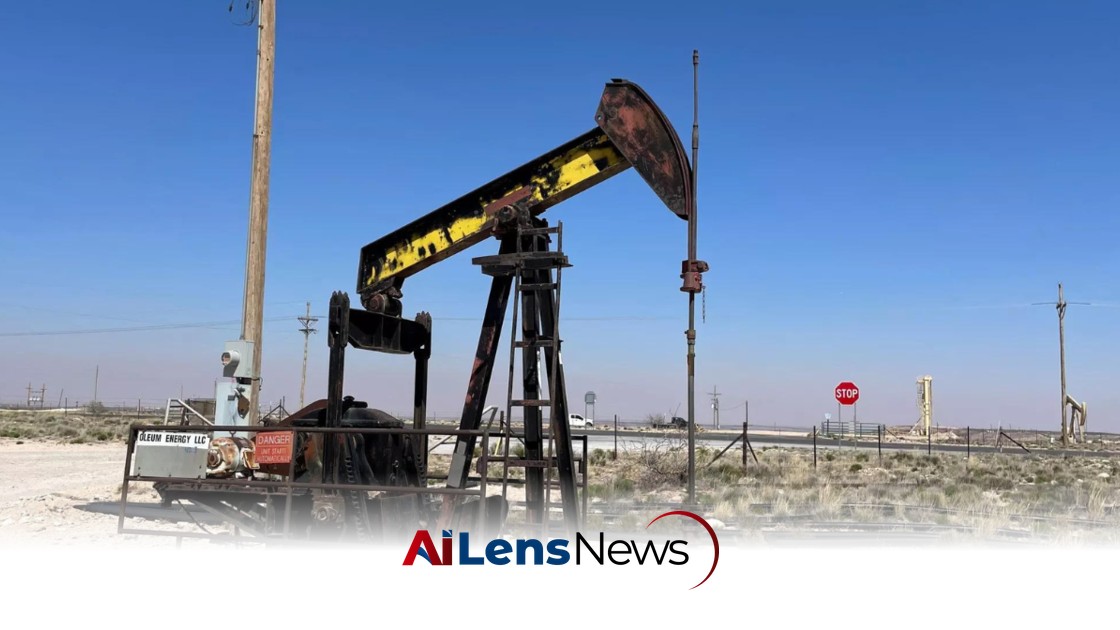


Seven OPEC+ nations, including Saudi Arabia and Russia, have agreed to a 188,000 barrels per day production adjustment starting August 2026, emphasizing a cautious approach to market dynamics.
New Delhi, India Jul 5, 2026 ALN: On July 5, 2026, seven nations within the Organization of the Petroleum Exporting Countries (OPEC+) convened virtually to discuss the global oil market and announced a significant production adjustment of 188,000 barrels per day (bpd), effective from August 2026. This decision marks a pivotal moment in the ongoing efforts by these countries to navigate the complexities of the global oil market, which has been characterized by volatility and uncertainty in recent years. The adjustments made by OPEC+ are not just a reflection of internal strategies but are also influenced by broader and geopolitical factors that affect oil supply and demand.
The countries involved in this agreement include Saudi Arabia, Russia, Iraq, Kuwait, Kazakhstan, Algeria, and Oman. Each nation has specific production targets and responsibilities under this new agreement. The breakdown of the production adjustment reveals that Saudi Arabia and Russia will each reduce their output by 62,000 bpd, while Iraq will reduce its production by 26,000 bpd. Kuwait will cut by 16,000 bpd, Kazakhstan by 10,000 bpd, Algeria by 6,000 bpd, and Oman by 5,000 bpd. These reductions reflect the ongoing strategy of OPEC+ to align production levels more closely with actual market demand, a strategy that aims to stabilize prices and prevent market fluctuations that could have detrimental effects on both producers and consumers.
The backdrop for this production adjustment includes a series of voluntary cuts initiated in April 2023, which were implemented in response to fluctuating market conditions that threatened to destabilize oil prices. The cuts were designed to stabilize the market by reducing excess supply, which had been exacerbated by a combination of factors including geopolitical tensions, changes in consumer demand, and the lingering effects of the COVID-19 pandemic on global activity. The pandemic had a profound impact on global oil consumption patterns, leading to unprecedented declines in demand that forced OPEC+ to take drastic measures to manage supply. The decision to partially unwind these cuts in July 2026 suggests that OPEC+ is responding to signs of recovery in the market and is cautiously optimistic about future demand.
In its official statement, OPEC emphasized the importance of a cautious approach, indicating that the adjustments made in April 2023 could be reversed depending on evolving market conditions. This highlights the group's commitment to maintaining flexibility in its production strategy. The ability to increase, pause, or reverse the phase-out of these voluntary cuts as necessary is a critical aspect of OPEC+'s operational framework, allowing the group to respond dynamically to changes in the global oil landscape. The organization’s history of adapting to market conditions reflects its understanding of the complex interplay between supply and demand, and the need to remain responsive to external pressures.
Furthermore, the meeting reaffirmed the commitment of the participating countries to compensate for any overproduction that occurred since January 2024. This compensation mechanism is monitored by the Joint Ministerial Monitoring Committee (JMMC), which plays a vital role in ensuring compliance with the Declaration of Cooperation among member countries. The JMMC's oversight is essential for maintaining accountability and ensuring that all countries adhere to their production commitments. By implementing such monitoring mechanisms, OPEC+ aims to foster trust among member nations and create a stable environment for oil markets.
OPEC+ has indicated its intention to continue holding monthly meetings to assess market conditions and conformity with production targets. The next meeting is scheduled for August 2, 2026, where further adjustments may be discussed based on the latest market developments. This regular cadence of meetings underscores the group's proactive approach to managing production levels and responding to the complexities of the global oil market. The frequency of these meetings allows OPEC+ to quickly adapt to changes in market dynamics, which is crucial in an industry where prices can be highly volatile.
The implications of these production adjustments are significant for both the oil market and the global economy. By curbing production, OPEC+ aims to reduce the risk of oversupply, which can lead to falling prices and instability in the market. Stable oil prices are crucial not only for the member countries that rely heavily on oil revenues but also for global stability, as fluctuations in oil prices can have widespread effects on inflation, trade balances, and growth. For countries that are net oil importers, such as many in Europe and Asia, the price of oil directly affects energy costs and can influence policy decisions.
Moreover, the decision to adjust production levels can also be seen as a response to broader geopolitical dynamics. As countries navigate the complexities of energy security, climate policy, and recovery, OPEC+ remains a key player in shaping the global energy landscape. The group's decisions can influence not only oil prices but also the strategies of non-OPEC oil producers and consumers alike. For instance, the United States, a significant player in the global oil market, has its own production strategies that can be affected by OPEC+ decisions, creating a complex interplay between different nations' energy policies.
In conclusion, the production adjustment announced by OPEC+ on July 5, 2026, reflects a careful balancing act between managing supply and responding to market demands. As the group prepares for its next meeting on August 2, 2026, the global oil market will be closely watching for further signals regarding production strategies and market stability. The ongoing commitment of OPEC+ to adapt to changing conditions will be critical in navigating the challenges ahead and ensuring a sustainable market environment for all member countries. The decisions made in the coming months will not only impact the oil market but also have broader implications for global stability and energy security.
To learn more about the latest developments in Corporate & Industry Insights, stay updated with our exclusive reports and analyses on AiLensNews.

