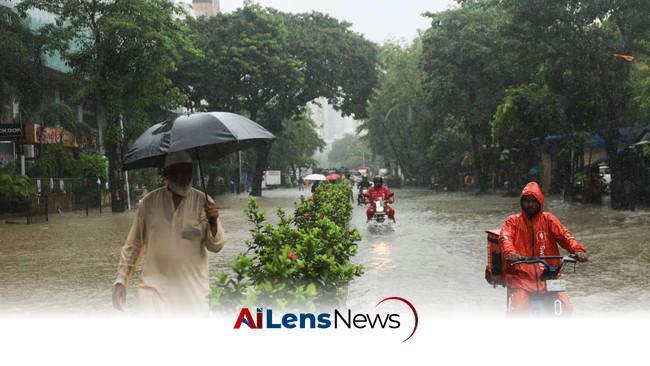


Mumbai schools and colleges are closed on July 6 due to heavy rainfall and an orange alert. The city faces significant disruptions, including flight cancellations.
New Delhi, India Jul 5, 2026 ALN: The Brihanmumbai Municipal Corporation (BMC) has declared a holiday for all government, private, and civic-run schools and colleges in Mumbai on July 6, following an 'orange alert' issued for heavy rainfall and gusty winds. This decision aims to ensure the safety of students amid the adverse weather conditions. The alert from the India Meteorological Department (IMD) indicates that the city is expected to experience significant rainfall, which could pose risks to public safety and infrastructure.
The IMD's forecasts are particularly crucial for Mumbai, a city that is no stranger to monsoon-related challenges. The monsoon season typically runs from June to September, bringing heavy rain that can lead to flooding, landslides, and other hazards. Over the past few days, Mumbai has experienced intense rainfall, leading to waterlogged streets and tragic incidents, including fatalities due to falling trees. Such incidents highlight the importance of timely warnings and preparedness during the monsoon season.
In light of the severe weather, the BMC has urged citizens to remain indoors unless absolutely necessary. While schools and colleges are closed, government and private offices will continue to operate as usual. This decision reflects the need to balance safety with the functioning of essential services. However, the BMC has recommended that employees working in low-lying areas or areas prone to flooding should exercise extra caution when commuting to and from work.
Residents are advised to exercise caution, especially in low-lying areas prone to flooding. The BMC has also encouraged individuals to stay informed about weather updates and to avoid unnecessary travel during peak rainfall hours. Community engagement is essential during such , as neighbors can assist each other in staying safe and informed. The civic body has also emphasized the importance of having emergency kits ready, which may include essentials like water, food, flashlights, and first-aid supplies.
Heavy rains have also disrupted air travel. On July 5, Mumbai International Airport temporarily suspended all runway operations for about an hour due to adverse weather conditions, which included gusty winds reaching up to 42 knots. This led to the cancellation of four IndiGo flights and the diversion of 13 arriving aircraft to nearby airports. The operational challenges faced by the airport during heavy rain underscore the complexities of managing air traffic in a densely populated urban center.
According to airport authorities, normal operations resumed after the weather improved. However, the disruptions have caused significant delays and inconvenience for travelers. Passengers are often left scrambling for alternate arrangements when flights are canceled or diverted, leading to frustration and anxiety. The airport management has advised travelers to check with their airlines for the latest updates regarding their flights and to plan for potential delays. Moreover, the airport's communication channels have been activated to provide real-time updates to passengers regarding flight schedules and safety measures.
The BMC reported that several locations across Mumbai recorded more than 200 mm of rainfall within a 24-hour period, with some areas exceeding 300 mm. The highest recorded rainfall was 310.6 mm at the Building Proposal Office in Vikhroli West, followed closely by Colaba Pumping Station and Tagore Nagar Municipal School. These statistics are indicative of the severity of the rainfall, which can overwhelm drainage systems and lead to flooding in various parts of the city.
As the city braces for continued rainfall, the BMC has urged residents to stay alert and follow safety advisories. The civic body has also set up a helpline for emergencies, emphasizing the need for caution during this period of heavy rain and high tides. The establishment of a helpline is a proactive measure to ensure that residents have access to assistance if needed, especially in emergencies related to flooding or other weather-related incidents. This initiative is part of a broader effort to enhance community resilience by facilitating quick access to information and resources during crises.
In addition to the immediate impacts of heavy rainfall, there are longer-term implications for the city. Mumbai's infrastructure, including its drainage systems, often struggles to cope with the volume of water during heavy rains. This can lead to prolonged flooding and damage to properties, as well as disruptions to transportation and essential services. The city has been investing in infrastructure improvements, but the rapid pace of urbanization and climate change presents ongoing challenges. Urban planners and engineers are continuously exploring innovative solutions to enhance drainage capacity and reduce flooding risks, including the construction of retention basins and improved stormwater management systems.
Moreover, Mumbai's unique topography, with its coastal location and hilly terrain, adds complexity to the management of heavy rains. The city's drainage systems, which were designed for a different era, often require significant upgrades to handle the increased intensity and frequency of rainfall associated with climate change. This necessitates not only financial investment but also coordinated efforts among various government agencies, private stakeholders, and community organizations to develop comprehensive strategies for flood management and urban resilience.
In summary, the combination of heavy rainfall and strong winds has led to significant disruptions in Mumbai, prompting the closure of educational institutions and affecting air travel. Authorities continue to monitor the situation closely and provide updates as necessary. The response to such weather events is critical in minimizing risk to life and property, and proactive measures can help mitigate the impacts of future monsoon seasons. As the city adapts to changing weather patterns, community preparedness and infrastructure resilience will be key themes in ensuring the safety and well-being of Mumbai's residents. The ongoing dialogue regarding urban planning, climate adaptation, and community engagement will be crucial as Mumbai navigates these challenges in the years to come.
To learn more about the latest developments in Corporate & Industry Insights, stay updated with our exclusive reports and analyses on AiLensNews.

