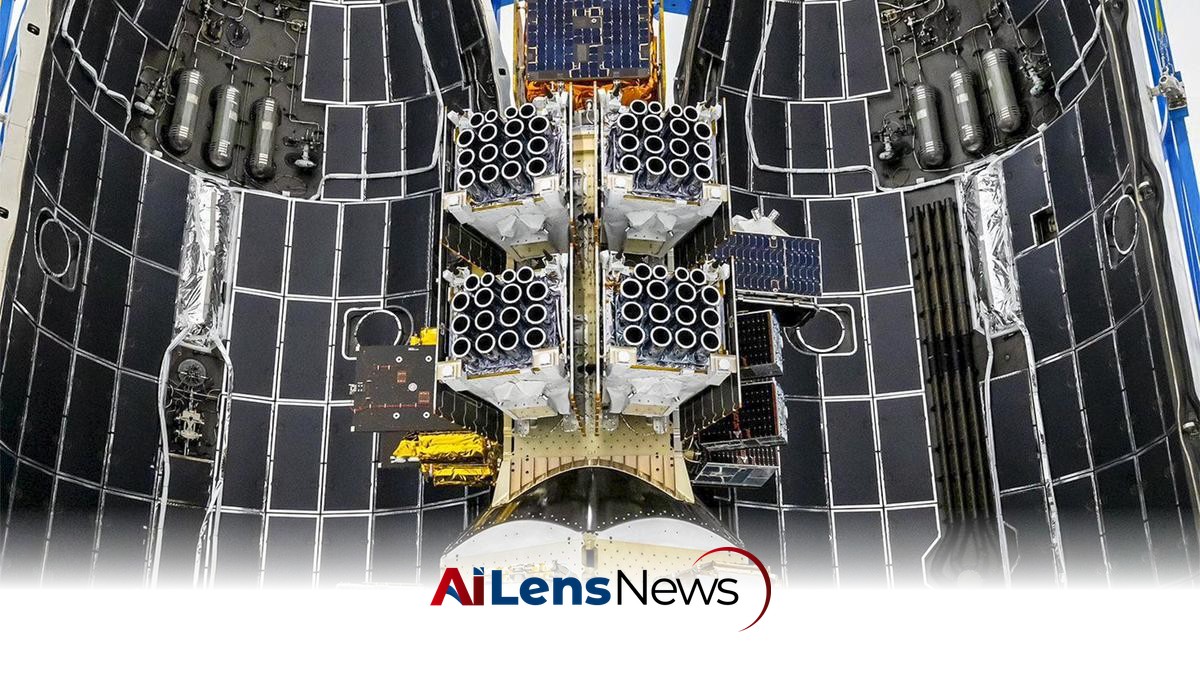


Mission Drishti, India's largest privately developed Earth observation satellite, lost communication following a geomagnetic solar storm during its launch phase.
New Delhi, India Jul 7, 2026 ALN: Mission Drishti, the world’s first OptoSAR satellite developed by Bengaluru-based space start-up GalaxEye, was launched in May 2026 but encountered an anomaly following a geomagnetic solar storm during the final stage of the Launch and Early Orbit Phase (LEOP). This satellite is also recognized as India’s largest privately developed Earth observation satellite, representing a significant milestone in the country’s burgeoning space industry.
Launched on May 3, 2026, aboard a Falcon 9 rocket by SpaceX from Vandenberg, California, Mission Drishti was designed to utilize advanced optical synthetic aperture radar (OptoSAR) technology, which combines optical imaging and radar capabilities to provide high-resolution Earth observation data. This innovative approach aims to enhance the accuracy of environmental monitoring, disaster management, and urban planning, among other applications. The satellite's development is part of a broader trend towards leveraging private sector capabilities in space technology, which has been gaining momentum globally.
On July 7, GalaxEye provided an update regarding the mission. “In the final stage of LEOP, the maiden spacecraft encountered an anomaly following a geomagnetic solar storm. Initial root cause analysis indicates that radiation effects associated with the event likely impacted a critical onboard system,” the company informed. Geomagnetic storms, caused by disturbances in the Earth's magnetosphere due to solar activity, can pose significant risks to satellites in orbit. These storms can lead to increased levels of radiation that may affect the electronic components of spacecraft, potentially leading to malfunctions or complete loss of communication. This incident underscores the vulnerability of even the most advanced space technologies to natural phenomena.
Following the anomaly, communication with the spacecraft became intermittent and was eventually lost. The company noted, “While recovery efforts are ongoing, the likelihood of recovery currently appears low.” This situation highlights the challenges faced by satellite operators, particularly in the wake of extreme space weather events that can disrupt operations and threaten the functionality of advanced technologies. The loss of communication with Mission Drishti not only represents a setback for GalaxEye but also raises broader questions regarding the resilience of satellite systems in the face of increasing solar activity.
During its active operating phase over a few weeks, Mission Drishti successfully validated critical technologies, operational processes, and infrastructure required to design, build, launch, and operate advanced space systems. The satellite established communication and completed a significant portion of its planned LEOP, executing critical deployment and attitude control activities, operating onboard computing and communications systems, and demonstrating GalaxEye’s fully in-house mission operations capability through its Mission Control Centre in Bengaluru. This operational success, despite the subsequent loss of communication, indicates that the satellite was able to perform its fundamental functions before the anomaly occurred.
“Mission Drishti marks the culmination of years of innovation, engineering, and execution by our team. While the satellite experienced an anomaly following an extreme space weather event, the mission has provided invaluable engineering insights that will directly strengthen our future missions. Learning from the mission, we are accelerating our transition toward bringing a significant portion of our supply chain, manufacturing, and satellite development processes in-house, giving us visibility and control over the entire value chain. The team is excited and ready for the next leg of our growth,” said Suyash Singh, founder & CEO of GalaxEye. This focus on in-house capabilities reflects a growing trend among private space companies to develop more control over their technology and supply chains, which can lead to greater innovation and efficiency.
This incident highlights the importance of resilience and adaptability in the rapidly evolving field of space technology. GalaxEye's commitment to learning from the challenges faced during Mission Drishti will be crucial as the company seeks to enhance its capabilities and mitigate risks associated with future missions. By focusing on in-house production and development, GalaxEye aims to strengthen its operational framework and ensure that it can respond effectively to any unforeseen challenges. This strategy could also position the company favorably in a competitive market where agility and innovation are paramount.
GalaxEye is incorporating the learnings from this mission into its next-generation spacecraft architecture. The company aims to launch two new OptoSAR satellites within the next 24 months while significantly expanding its in-house capabilities to further strengthen quality, reliability, and execution. This ambitious plan reflects the growing confidence in India's private space sector and its potential to contribute significantly to global space exploration and satellite technology. The success of future missions could not only bolster GalaxEye's reputation but also serve as a catalyst for further investment in India's space industry.
The implications of this mission extend beyond GalaxEye and its immediate objectives. As more private companies enter the space industry, the landscape is becoming increasingly competitive. The ability to innovate and adapt in response to challenges will be key for these companies to secure contracts for satellite launches, data services, and collaborations with government agencies and other stakeholders. Furthermore, successful missions in this sector can lead to advancements in technology that benefit a wide array of industries, including agriculture, urban planning, and climate science. The data gathered from Earth observation satellites is invaluable for monitoring environmental changes, managing natural resources, and supporting disaster response efforts.
The loss of communication with Mission Drishti also raises questions about the preparedness of satellite systems to withstand extreme space weather events. As the frequency and intensity of solar storms are expected to increase due to the natural solar cycle, satellite operators must invest in robust systems that can endure such conditions. This could involve developing enhanced shielding for sensitive electronics, implementing fail-safes, and creating contingency plans for potential communication losses. The space community may need to consider collaborative efforts to share data and strategies for mitigating the impacts of solar activity on satellite operations.
In conclusion, while the loss of communication with Mission Drishti is a setback for GalaxEye, it also serves as a valuable learning opportunity that could inform the development of future satellites. The insights gained from this mission will likely influence not only GalaxEye's strategy but also the broader landscape of satellite technology in India and beyond. As the private space sector continues to expand, the lessons learned from such challenges will play a crucial role in shaping the future of space exploration and Earth observation capabilities. The experience gained from Mission Drishti could serve as a foundation for future endeavors, driving innovation and resilience in the face of challenges that lie ahead.
To learn more about the latest developments in Corporate & Industry Insights, stay updated with our exclusive reports and analyses on AiLensNews.

