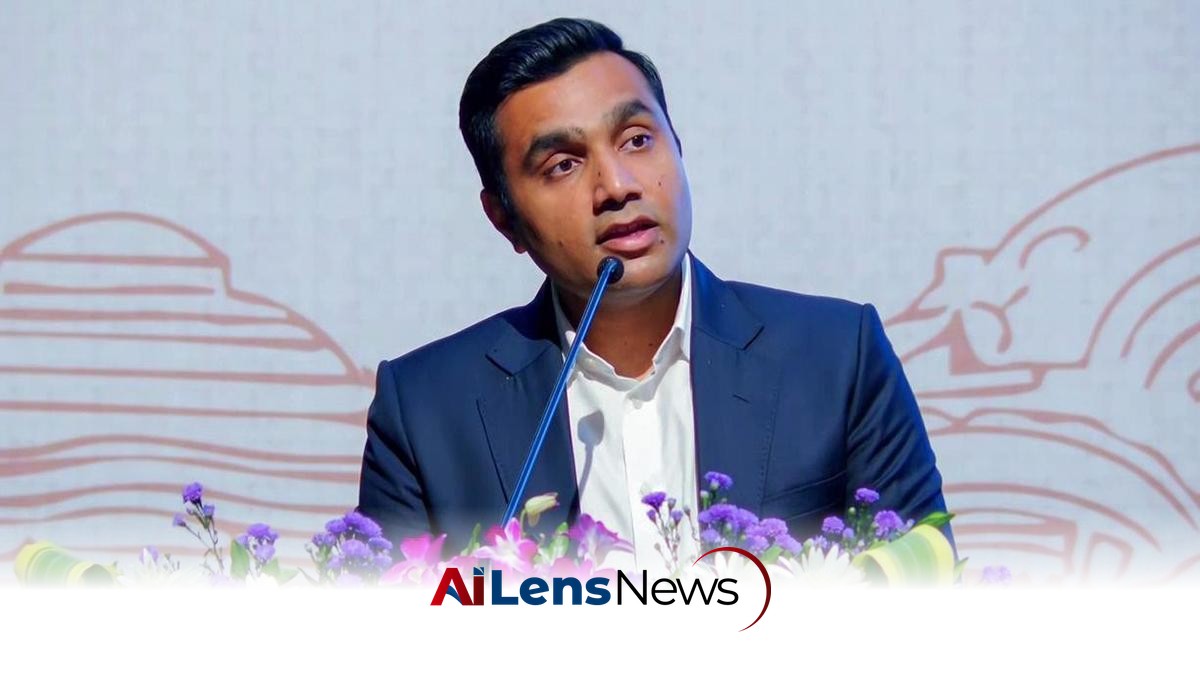


Karan Adani reveals the Adani Group's entry into aluminium, driven by low-cost energy and rising demand.
New Delhi, India Jul 3, 2026 ALN: The Adani Group, a prominent multinational conglomerate based in India, has made headlines with its decision to enter the aluminium sector. This strategic move is primarily motivated by two key factors: the availability of low-cost energy and the escalating demand for aluminium across a range of industries. Karan Adani, the Managing Director of Adani Ports & Special Economic Zone Ltd (APSEZ) and Adani Cement, elaborated on these motivations during a recent discussion, highlighting the strategic advantages that the group possesses in the energy sector.
Aluminium production is widely recognized as a highly energy-intensive process, making the cost of energy a pivotal element in determining the overall profitability of aluminium smelting operations. The Adani Group has established itself as one of the lowest-cost producers of energy in India, primarily through its extensive investments in renewable energy sources, including solar and wind power. This position not only provides a competitive edge but also aligns with the global push towards sustainable energy practices, which are increasingly becoming a priority for both consumers and es alike.
Karan Adani pointed out that as digitization and manufacturing activities in India continue to expand, the demand for aluminium is expected to rise significantly. This trend is likely to be fueled by the increasing use of aluminium in various sectors, including automotive, construction, packaging, and electronics. Given that aluminium is lightweight, durable, and recyclable, it has become a preferred material for manufacturers seeking to enhance efficiency and sustainability in their products. The automotive industry, for instance, is increasingly turning to aluminium to reduce vehicle weight and improve fuel efficiency, while the construction sector is utilizing aluminium for its strength and aesthetic appeal.
Despite the presence of established players in the Indian aluminium market, such as National Aluminium Company Limited (Nalco), Hindalco Industries, and Vedanta, Karan Adani highlighted that India is still a net importer of aluminium. This reality suggests that there is substantial demand that exceeds current domestic production capabilities. The Adani Group believes that this gap presents a significant opportunity for new entrants to contribute to the market and potentially transform India into a net exporter of aluminium in the future. The implications of such a shift could be profound, not only for the aluminium industry but also for India's overall trade balance and economic self-sufficiency.
In addressing the competitive landscape, Mr. Adani stated, "We are not looking to compete with anybody. I think there is enough room for everybody to be present." This perspective underscores a collaborative approach rather than a zero-sum game, where multiple players can coexist and thrive in the market. The emphasis on collaboration is particularly relevant in industries like aluminium, where economies of scale and technological advancements can benefit from shared knowledge and resources. This approach could foster innovation and drive down costs across the sector, benefiting consumers and manufacturers alike.
As part of its strategy for entering the aluminium sector, the Adani Group is focusing on bridging the gap between current aluminium demand and future requirements. This involves not only establishing production capabilities but also ensuring that the operations are aligned with sustainable practices and efficient resource management. The company's initial investment in this sector is projected to be substantial, with plans for a joint venture with the International Holding Company (IHC) of the UAE. This partnership could leverage IHC's expertise and resources, further enhancing the Adani Group's capabilities in the aluminium market.
The proposed project is expected to receive all necessary approvals, including land allotment, within the next 12 to 18 months. Following this, the construction of the first phase, which includes a refinery and a smelter, is projected to take approximately 3 to 3.5 years. Overall, Karan Adani estimates that it will take around 4.5 to 5 years from now for the entire project to be commissioned and operational. This timeline reflects the complexities involved in setting up large-scale industrial operations, which require careful planning, adherence to regulatory standards, and coordination with various stakeholders.
Funding for the aluminium project is planned to be sourced from a combination of internal accruals from Adani Enterprises and debt financing, with a ratio of approximately 30% equity and 70% debt. The total estimated cost of the project is pegged at $11.5 billion (approximately ₹1.08 lakh crore), with the financial burden split evenly between Adani Enterprises and IHC. This significant investment reflects the group's commitment to establishing a strong presence in the aluminium sector while addressing the growing demand for this versatile metal. The financial structure of the project indicates a robust confidence in the potential returns from the aluminium market, given the anticipated growth in demand.
The entry of the Adani Group into the aluminium sector is not only a strategic decision but also reflects broader trends in the Indian economy. As the country continues to industrialize and urbanize, the demand for metals like aluminium is expected to increase. This shift aligns with the Indian government's initiatives to boost manufacturing under the "Make in India" campaign, which aims to enhance the country's manufacturing capabilities and reduce dependency on imports. By bolstering domestic production of aluminium, the Adani Group's venture could play a pivotal role in supporting these national objectives.
Moreover, the focus on renewable energy and sustainability in the production process resonates with global trends toward environmentally friendly practices. The Adani Group's investment in low-cost energy production places it in a favorable position to meet both domestic and international demand for sustainably produced aluminium. This alignment with global sustainability goals could enhance the group's reputation and marketability, particularly in regions where consumers and regulators are increasingly prioritizing environmental considerations.
In conclusion, the Adani Group's entry into the aluminium sector represents a significant development in the Indian industrial landscape. By leveraging its strengths in energy production and recognizing the growing demand for aluminium, the group aims to fill a critical gap in the market. As the project progresses, it will be essential to monitor the impact of this venture on the aluminium industry in India, including its potential to enhance domestic production, reduce imports, and contribute to the country's economic growth. Additionally, the success of this initiative could set a precedent for other companies looking to enter the aluminium sector, fostering a more competitive and sustainable market in India.
To learn more about the latest developments in Corporate & Industry Insights, stay updated with our exclusive reports and analyses on AiLensNews.

