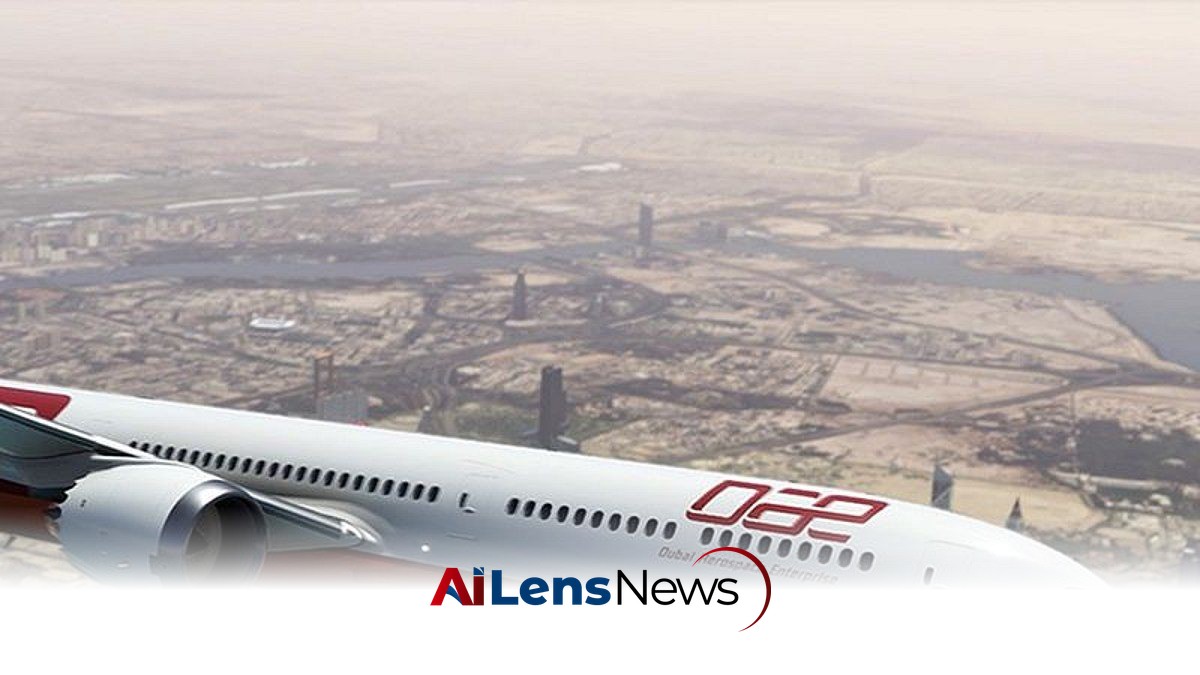


Dubai Aerospace Enterprise's acquisition of Macquarie AirFinance for $9 billion elevates it to the world's third-largest aircraft lessor, expanding its fleet to approximately 1,000 aircraft.
Kuwait City, Kuwait Jul 29, 2026 ALN: Dubai Aerospace Enterprise (DAE) has made a significant leap in the global aircraft leasing market with its recent completion of a $9 billion acquisition of Macquarie AirFinance (MAF). This acquisition not only enhances DAE's fleet size to approximately 1,000 aircraft but also positions the company as the third-largest aircraft lessor in the world, following industry giants such as AerCap and Avolon.
The expanded fleet, owned, managed, and committed, now serves over 175 airlines across more than 75 countries. This acquisition marks a pivotal moment for DAE, as it amplifies the company's role in supplying aircraft to a diverse range of carriers globally, contributing to the growth of the aviation industry in various regions. The aircraft leasing sector has been increasingly recognized as a pivotal component of the aviation industry, providing airlines with the flexibility to adapt to market demands without the heavy capital expenditure associated with outright purchases.
The enterprise value of the transaction stands at around $9 billion, a figure that reflects not only the acquisition cost but also adjustments related to the fleet of Macquarie AirFinance between the announcement of the deal and its closing. Such financial maneuvers are common in large acquisitions, where the value can fluctuate based on market conditions and operational changes. The complexity of the deal underscores the intricacies involved in aircraft leasing, where factors such as aircraft age, maintenance history, and market demand play critical roles in valuation.
In addition to the acquisition, DAE has also committed to acquiring approximately 150 aircraft from leading manufacturers such as Boeing and Airbus, as well as other trading counterparts. This forward-thinking strategy ensures that DAE is well-prepared to meet the future demands of its airline customers, with delivery positions in its order book extending into the 2030s. This long-term planning is crucial in the aviation industry, where the demand for air travel is projected to grow significantly in the coming years, driven by factors such as rising disposable incomes in emerging markets, increasing global connectivity, and the resurgence of travel post-pandemic.
Leasing aircraft through DAE's aviation finance business allows airlines to expand or renew their fleets without the need to purchase every aircraft directly. This model is particularly attractive for airlines that may face financial constraints or prefer to maintain flexibility in their fleet management strategies. By leasing, airlines can mitigate risks associated with ownership, such as depreciation and maintenance costs, while ensuring they have access to the latest aircraft technology. The operational flexibility afforded by leasing arrangements enables airlines to respond swiftly to fluctuating market conditions, which has become increasingly important in a post-COVID landscape where travel demand can be unpredictable.
The acquisition of MAF is expected to broaden DAE's airline customer base significantly. It will not only introduce new airline customers to DAE Capital but also enhance existing relationships with carriers already served by the company. This expansion is crucial in a competitive market where establishing strong relationships can lead to long-term contracts and repeat business. The ability to offer a diverse fleet of aircraft, along with tailored leasing solutions, positions DAE as a strategic partner for airlines looking to optimize their operations.
Firoz Tarapore emphasized the importance of this transaction in deepening DAE's long-standing relationships with major aircraft manufacturers like Boeing and Airbus. The ability to secure delivery slots that extend into the 2030s provides DAE with the flexibility needed to better support its airline customers’ fleet requirements. This strategic alignment with manufacturers can also lead to preferential treatment in terms of pricing and availability during times of high demand. With the aviation sector experiencing a resurgence, having a robust pipeline of new aircraft is essential for meeting the anticipated growth in passenger traffic.
Furthermore, DAE's fleet services are bolstered by recently announced initiatives with investment firms such as Blackstone and Neuberger. These partnerships cover various stages of an aircraft's operating lifecycle, providing comprehensive support to airline customers from acquisition through to operational management and eventual retirement of aircraft. Such collaborations are becoming increasingly important in the aviation sector, where operational efficiency and cost management are paramount. By leveraging the expertise and resources of these investment firms, DAE can enhance its service offerings and provide more value to its airline clients.
The transaction was first announced in February 2026, signaling DAE's intention to expand its footprint in the global aircraft leasing market. This move comes at a time when the aviation industry is recovering from the impacts of the COVID-19 pandemic, which had severely affected air travel and, consequently, aircraft demand. As travel restrictions ease and passenger numbers rise, the need for airlines to expand their fleets to meet demand is becoming increasingly apparent. The pandemic has reshaped the aviation landscape, leading to a reevaluation of fleet strategies among airlines, with many opting for leasing arrangements to maintain flexibility.
As the aviation industry continues to evolve, the implications of DAE's acquisition of Macquarie AirFinance are significant. It reflects a broader trend in the industry where consolidation is becoming more common as companies seek to enhance their market position and operational capabilities. For DAE, this acquisition not only strengthens its market position but also offers a pathway to increased revenue and profitability through a larger and more diverse fleet. The consolidation trend highlights the competitive nature of the aircraft leasing market, where scale can provide significant advantages in terms of pricing power and market influence.
Moreover, the acquisition underscores the importance of strategic planning and investment in the aviation sector. With the global demand for air travel expected to grow substantially over the next decade, companies like DAE are positioning themselves to capitalize on this growth by expanding their fleets and enhancing their service offerings. This proactive approach is likely to yield dividends as airlines seek reliable partners to help them navigate the complexities of fleet management and operational efficiency. In a market characterized by rapid technological advancements and evolving customer expectations, adaptability and foresight will be key determinants of success.
In conclusion, Dubai Aerospace Enterprise's acquisition of Macquarie AirFinance represents a significant milestone in the company's journey towards becoming a leader in the global aircraft leasing market. With an expanded fleet, enhanced relationships with key manufacturers, and a commitment to meeting the future needs of airline customers, DAE is well-positioned to thrive in an increasingly competitive landscape. The implications of this acquisition will likely resonate throughout the aviation industry, influencing leasing strategies and operational practices for years to come. As the market continues to evolve, DAE's strategic decisions will be closely watched as indicators of trends and shifts within the global aircraft leasing sector.
To learn more about the latest developments in Corporate Expansion & Infrastructure Development, stay updated with our exclusive reports and analyses on AiLensNews.

