

June 2026 sees a 63% YoY surge in EV sales to 3.06 lakh units, marking a significant milestone in India's electrification journey.
New Delhi, India Jul 7, 2026 ALN: Electric vehicle (EV) retail sales in June 2026 surged 63% year-on-year (YoY) to an all-time high of 3,06,220 units, as per data released by the Federation of Automobile Dealers Association (FADA). This remarkable growth occurred even as the broader market navigated a delayed monsoon and a seasonally lean patch, underscoring the resilience and increasing adoption of electric vehicles in India.
The surge in EV sales is indicative of a significant shift in consumer behavior, driven by various factors including rising environmental awareness, government incentives, and advancements in technology. As global concerns about climate change and air pollution mount, more consumers are opting for sustainable transportation solutions. The Indian government has also played a crucial role in promoting electric mobility through initiatives such as the Faster Adoption and Manufacturing of Hybrid and Electric Vehicles (FAME) scheme, which provides subsidies for electric vehicle purchases.
Breaking down the sales figures, electric passenger vehicle sales reached 31,823 units, marking an impressive growth of 108% YoY and a 19% month-on-month (MoM) increase. This segment achieved a market share of 7.7%, reflecting a growing consumer preference for electric cars. Factors contributing to this growth include the introduction of new models by established car manufacturers, improvements in battery technology, and the expansion of charging infrastructure across the country.
Electric commercial vehicle sales also witnessed a remarkable increase, with 3,214 units sold, representing a staggering 163% YoY growth and a 34% MoM rise. This segment reported a market share of 3.53%, as es increasingly recognize the economic benefits of transitioning to electric fleets. The reduction in operational costs, coupled with government support for electric commercial vehicles, has made this transition appealing for logistics and transportation companies.
The electric two-wheeler segment, which has been a significant driver of the overall EV market, recorded sales of 1,93,735 units, up 75% YoY and 13% MoM. This segment achieved a market share of 10.6%, highlighting the growing acceptance of electric scooters and motorcycles among consumers. The convenience of two-wheelers, combined with the lower cost of ownership compared to traditional internal combustion engine vehicles, has further accelerated their adoption.
In addition to two-wheelers, electric three-wheelers reached sales of 77,448 units, up 27.38% YoY and a 7.7% increase MoM. This segment holds a dominant market share of 64.1%, reflecting its importance in urban transportation, especially for last-mile connectivity. The three-wheeler segment has been particularly successful in cities where they serve as a popular mode of transport for passengers and goods alike.
FADA President C.S. Vigneshwar noted that June 2026 marked a defining moment in India’s mobility transition. With overall EV penetration crossing 12% for the first time—led by three-wheelers, where over 64% of retail is now electric, and two-wheelers, now in double digits at 10.6%—electrification has moved decisively from the margins to the mainstream of Indian auto retail. This shift signifies a broader acceptance of electric vehicles as a viable alternative to traditional vehicles, driven by both consumer demand and regulatory support.
Vigneshwar emphasized that the durability of this transition is rooted in its breadth and ownership. Legacy manufacturers, which have long dominated the automotive market, are now leading the electric two-wheeler space, while established players are scaling their offerings in electric cars and commercial vehicles. Moreover, new entrants, both Indian and global, are prioritizing India as a key market for their electric vehicle strategies. This influx of competition is likely to spur innovation and further drive down prices, making electric vehicles more accessible to a wider audience.
As Vigneshwar articulated, "This is the India Growth Story expressing itself in clean, self-reliant mobility: rising aspiration, widening affordability, and a customer increasingly ready to go electric wherever the product, the charging ecosystem, and the economics come together." This statement encapsulates the broader socio-economic trends at play, where a growing middle class is eager to adopt technologies that promise not only sustainability but also economic benefits.
The implications of this surge in EV sales are significant for various stakeholders. For consumers, the increasing availability of electric vehicles means more choices and potentially lower costs in the long run. For manufacturers, the shift towards electrification presents both challenges and opportunities, necessitating investments in research and development to keep pace with evolving consumer preferences and regulatory requirements.
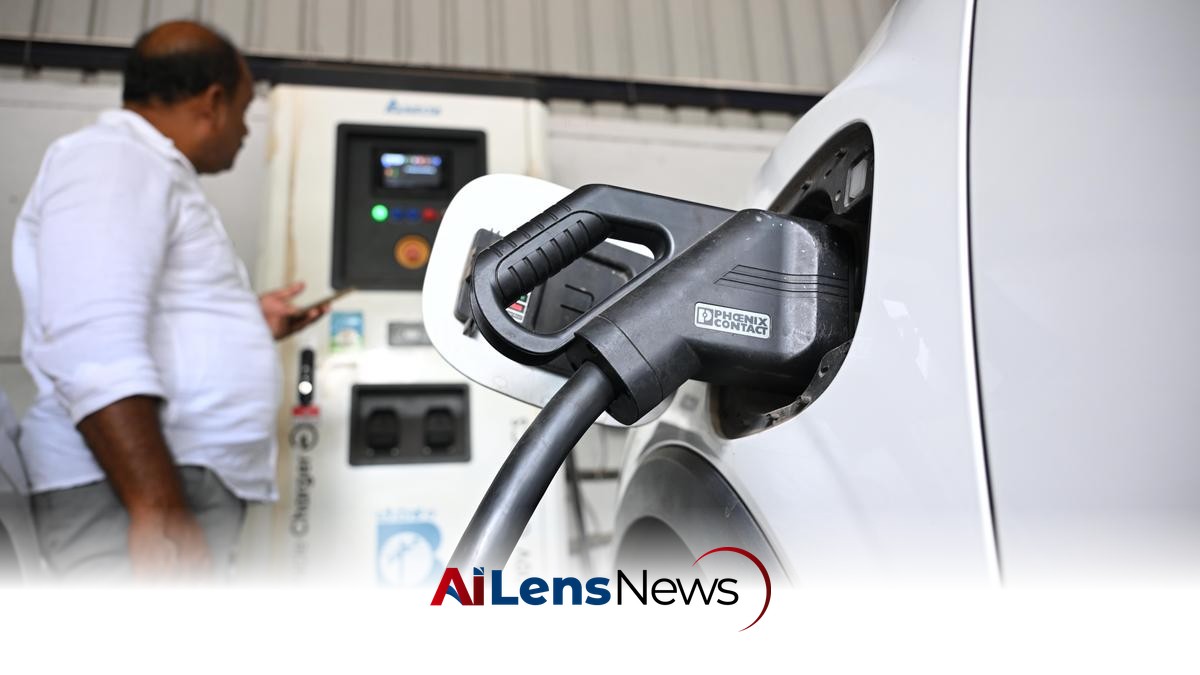
Additionally, the expansion of the charging infrastructure is crucial to support this growth. As more consumers transition to electric vehicles, the demand for accessible and reliable charging stations will increase. This presents an opportunity for es and governments to collaborate in developing a robust charging network that can support the growing number of electric vehicles on the road.
Furthermore, the environmental implications of this transition are profound. As the adoption of electric vehicles increases, it could lead to a significant reduction in greenhouse gas emissions and air pollution, contributing to India’s climate goals. The transition to electric mobility aligns with global efforts to combat climate change and promote sustainable development.
In conclusion, the surge in electric vehicle sales in June 2026 reflects a pivotal moment in India's automotive landscape. With increasing consumer acceptance, supportive government policies, and advancements in technology, the future of electric mobility in India appears promising. As the market continues to evolve, it will be essential for all stakeholders to remain agile and responsive to the changing dynamics of the automotive industry, ensuring that the transition to electric vehicles is not only successful but also sustainable for years to come.
To learn more about the latest developments in Corporate & Industry Insights, stay updated with our exclusive reports and analyses on AiLensNews.

