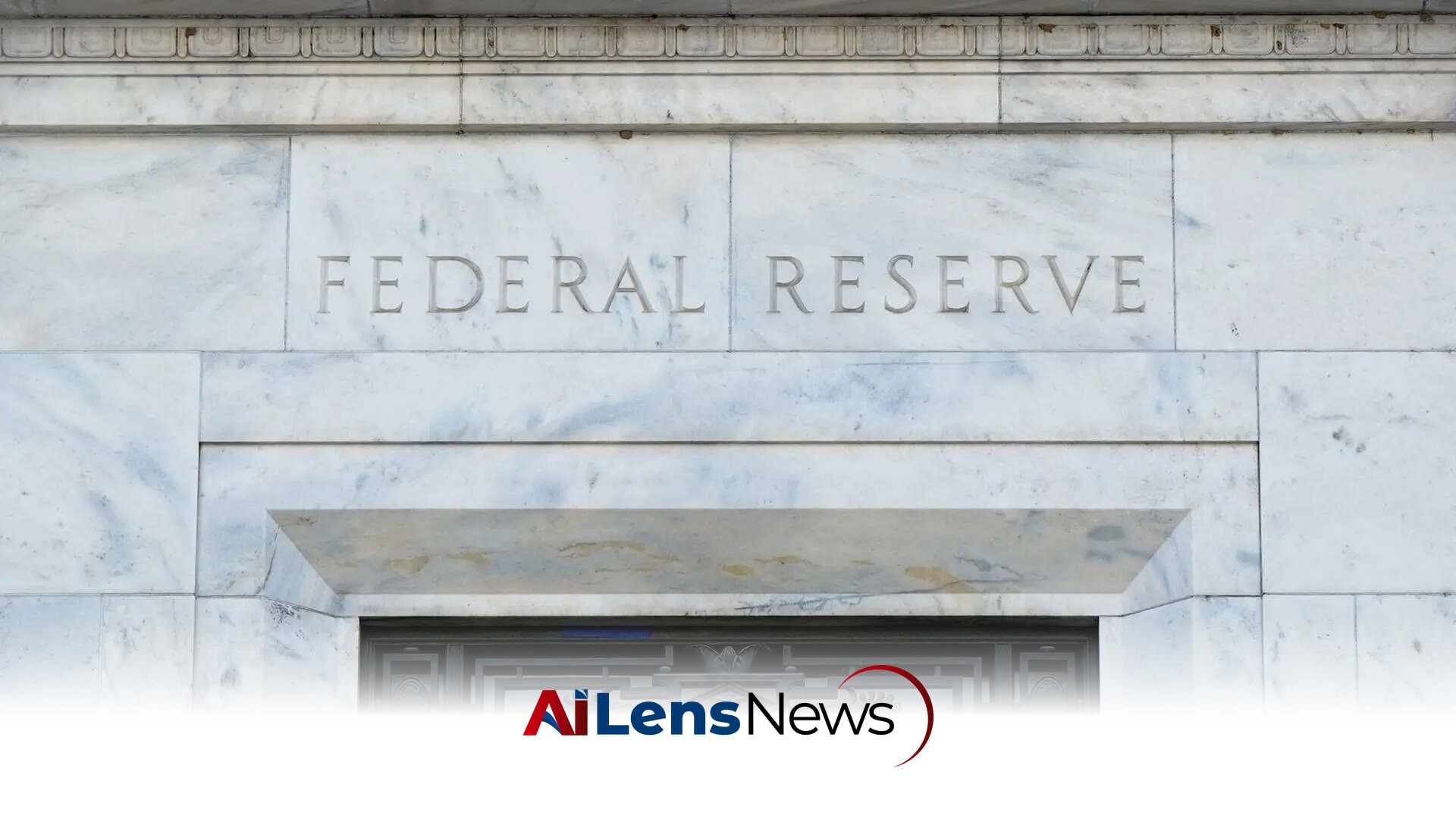


The Federal Reserve's June meeting highlighted inflation worries and stable job growth. Interest rates remain unchanged as forecasts adjust upward for inflation.
New Delhi, India Jul 9, 2026 ALN: The US Federal Reserve convened for a pivotal meeting on June 16-17, 2023, during which inflation concerns took center stage. This meeting was particularly significant as it marked the first under the leadership of newly appointed Fed Chairman Kevin Warsh. His tenure comes at a time when the economy is grappling with a variety of pressures, including rising inflation rates, supply chain disruptions, and geopolitical tensions that have implications for both domestic and global .
The Federal Open Market Committee (FOMC) unanimously decided to maintain interest rates in the range of 3.5 to 3.75 percent during this meeting. This decision underscores the Fed's commitment to addressing the ongoing inflation crisis while simultaneously fostering growth. The Fed's target inflation rate is set at 2 percent, a benchmark that has become increasingly challenging to achieve in the current climate. Maintaining interest rates is a critical tool for the Fed, as it influences borrowing costs, consumer spending, and overall activity.
In the lead-up to this meeting, the US economy had shown signs of resilience, with a robust labor market and strong consumer spending. However, the persistent inflationary pressures, driven by various factors, have complicated the Fed's ability to maintain price stability. The minutes from the FOMC meeting revealed that participants expressed concerns that the risks associated with the inflation outlook remain skewed toward the upside. This sentiment is largely driven by several factors, including elevated commodity prices, persistent supply chain disruptions, and the recent geopolitical tensions, particularly surrounding the closure of the Strait of Hormuz, a critical chokepoint for global oil shipments. This situation has raised fears of potential supply shortages and increased energy prices, which could further exacerbate inflationary pressures.
Another significant factor influencing inflation is the rapid expansion of artificial intelligence (AI) technologies. The AI buildout has created an environment where demand for high-tech equipment and data centers has surged, contributing to real investment spending. This trend is notable as it reflects a broader shift in the economy towards technology-driven growth, but it also poses challenges in terms of pricing pressures as businesses adapt to increased operational costs associated with new technologies. The integration of AI into various sectors is expected to enhance productivity in the long term, but the immediate impact on labor and wage inflation remains a concern for policymakers.
The FOMC minutes also highlighted that, despite inflation concerns, the outlook for the second quarter appeared solid based on incoming data. The labor market has remained stable, with real consumer spending showing strength. This resilience is critical as it suggests that consumers are still willing to spend, which is a vital component of growth. The data for April indicated continued strength in both imports and exports of high-tech goods, alongside a significant increase in energy exports, which can be seen as a positive sign for the economy. However, the Fed is aware that consumer sentiment can be volatile, especially in the face of rising prices, and they remain cautious about potential shifts in spending behavior.
However, the inflation forecasts for this year and the next have been adjusted upward since the April meeting. This upward revision is primarily attributed to the rising energy prices, which have a direct impact on consumer prices. The Fed's projections indicate that while total inflation is expected to slow in the latter half of the year due to a likely decline in gasoline prices, core inflation—which excludes volatile items such as food and energy—is anticipated to remain stable. This distinction between total and core inflation is critical for the Fed's policy decisions, as it provides insight into underlying inflation trends that may not be immediately apparent.
Looking ahead, FOMC participants are cautiously optimistic about the trajectory of inflation, anticipating that it will begin to trend downward starting next year. Projections suggest that inflation could reach the Fed's target level of 2 percent by 2028. This long-term outlook reflects a belief in the potential for recovery, even in the face of persistent inflationary pressures that have characterized the current landscape. The Fed's commitment to achieving its inflation target is crucial for maintaining credibility with the public and financial , as sustained inflation above target can erode trust in the central bank's ability to manage the economy.
The balancing act that the Federal Reserve faces is complex; it must navigate the dual objectives of controlling inflation while also supporting growth. The ongoing resilience, evidenced by stable job and solid consumer spending, provides a foundation for the Fed's cautious approach to monetary policy. However, the Fed remains vigilant, recognizing that external factors such as global supply chain disruptions and geopolitical tensions could significantly influence conditions. The interconnectedness of global means that developments in one part of the world can have ripple effects on the US economy, complicating the Fed's decision-making process.
In summary, the Federal Reserve's recent meeting underlines the delicate balance it must maintain in addressing inflation while fostering growth. With Kevin Warsh at the helm, the Fed is poised to adapt its strategies as necessary to respond to evolving indicators and external pressures. The implications of these discussions extend beyond immediate monetary policy decisions, as they will shape the landscape for years to come, influencing everything from consumer behavior to business investment and overall stability. The Fed's ability to communicate its intentions clearly and effectively will be paramount in managing market expectations and ensuring stability.
As the Fed continues to monitor inflation trends and growth, the decisions made in these meetings will play a crucial role in determining the trajectory of the US economy. The interplay between inflation, interest rates, and growth will remain a focal point for policymakers, businesses, and consumers alike in the months and years ahead. The challenges posed by inflation are not merely ; they have social implications as well, affecting the purchasing power of households and the overall quality of life. As such, the Fed's actions will be closely scrutinized by a wide range of stakeholders, including lawmakers, business leaders, and the general public.
In conclusion, the Federal Reserve's ongoing efforts to navigate the complexities of inflation and growth will require a careful and informed approach. The current environment is characterized by uncertainty and volatility, making it essential for the Fed to remain adaptable and responsive to changing conditions. As the global economy continues to evolve, the Fed's role as a stabilizing force will be critical in fostering an environment conducive to sustainable growth and prosperity.
To learn more about the latest developments in Corporate & Industry Insights, stay updated with our exclusive reports and analyses on AiLensNews.

