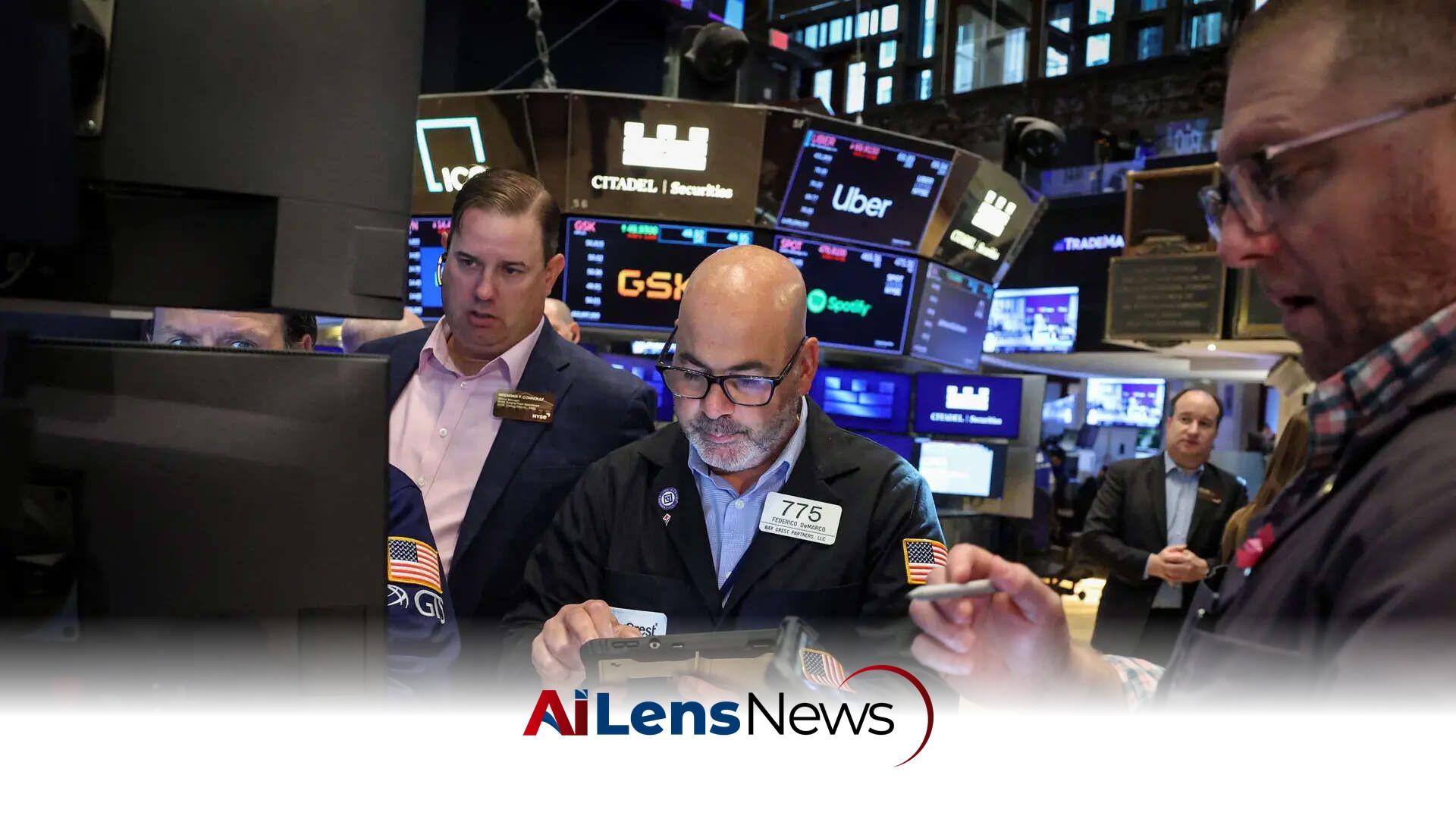


US stocks closed mixed as the Nasdaq fell due to worries over AI spending, while the Dow rose slightly. Geopolitical tensions and tariff developments kept investors cautious ahead of major tech earnings.
New Delhi, India Jul 25, 2026 ALN: The recent downturn in the tech-heavy Nasdaq composite index has drawn attention from investors and analysts alike, particularly as it coincides with growing concerns over the sustainability of spending in artificial intelligence (AI). As anticipation builds for upcoming earnings reports from major tech companies, many investors are beginning to reassess the financial implications of the massive investments that have been funneled into AI technologies.
On Friday, the Nasdaq saw a notable decline, driven primarily by a sell-off in semiconductor stocks. This sector has been particularly sensitive to changes in investor sentiment, especially as companies like Intel and others in the chip-making industry have ramped up their spending in hopes of capitalizing on the AI boom. However, this optimism has been met with skepticism as many investors question whether these expenditures will translate into actual profits in the near future.
The S&P 500 index, while ending nearly flat, reflected the broader market's mixed performance, with technology stocks lagging behind other sectors. As investors await quarterly results from tech giants such as Microsoft, Amazon, Meta, and Apple Inc., there is a palpable sense of anxiety in the market. This trepidation is compounded by Alphabet’s recent announcement regarding increased capital spending, which has raised eyebrows given the company’s ongoing cash burn.
Peter Andersen, CEO of Andersen Capital Management, articulated this growing concern, stating that after years of aggressive investment in technology stocks predicated on the promise of AI growth, investors are now questioning the long-term viability of these capital outlays. "People are thinking, how do we make sense of all this spending, and how much more patient do we have to be before we actually see it translate to actual profits?" he remarked. This sentiment captures the essence of a market at a crossroads, where the initial excitement over AI is being tempered by a more cautious outlook.
Andersen further elaborated on the shifting investor psychology, noting that the initial "fear of missing out" on AI growth is evolving into a "fear of massive overbuilding." This shift in sentiment reflects a broader concern about whether the investments made in AI and associated technologies will yield the expected returns, or if they are merely speculative bubbles waiting to burst.
Despite the cautious outlook, some companies are still projecting growth. On Thursday, Intel provided an optimistic forecast, anticipating quarterly profit and revenue that exceeded Wall Street estimates. The company also outlined plans to increase its capital spending over the next two years. However, despite this positive news, Intel's shares fell on Friday, further contributing to the decline of the Philadelphia SE Semiconductor index. This juxtaposition of positive earnings forecasts against falling stock prices illustrates the complex dynamics currently at play in the tech sector.
Preliminary data indicated that the S&P 500 gained 3.74 points, or 0.07%, closing at 7,413.30 points, while the Nasdaq Composite lost 157.35 points, or 0.63%, ending at 24,980.34. In contrast, the Dow Jones Industrial Average experienced a rise, gaining 235.87 points, or 0.46%, to close at 51,947.52. This divergence underscores the challenges facing the tech sector compared to other areas of the market.
Among the 11 major industry indexes within the S&P 500, real estate emerged as a standout performer. Digital Realty Trust, in particular, led the gains after it raised its full-year forecast for funds from operations. This performance highlights how certain sectors can thrive even amid broader market uncertainty, suggesting that there may be pockets of opportunity for investors willing to look beyond the tech sector.
In the commodities market, crude oil futures fell more than 3% as traders took profits following a significant rally over the past five sessions. This decline occurred amid reports that China is working to resume stalled U.S.-Iran peace talks. However, ongoing U.S. military actions against Iran continue to cast a shadow of uncertainty over the market, illustrating the interconnectedness of geopolitical events and their impact on financial .
Andersen remarked on this connection, stating, "Whatever the headlines are involving the conflict right now, that drives oil and then oil drives financial ," emphasizing the intricate relationship between global events and market performance. This observation serves as a reminder to investors that external factors can have far-reaching implications on market dynamics.
Additionally, the Trump administration's recent imposition of new tariffs on goods from 60 trading partners, citing lax enforcement of forced-labor bans, adds another layer of complexity to the current market landscape. This move follows the expiration of a temporary 10% global tariff and could further influence investor sentiment and market stability.
Recent data has also provided insights into the state of the U.S. economy. Activity in the services sector accelerated in July, partly attributed to spending around the FIFA World Cup and the Independence Day holiday. However, the manufacturing sector has shown signs of slowing, with growth easing to its slowest pace since March. This divergence between service and manufacturing sectors may indicate a broader shift in activity, prompting further analysis from economists and investors alike.
Among other individual gainers in the market, shares of SLB climbed after the oilfield services firm exceeded expectations for second-quarter profit. This performance highlights how specific companies can thrive even in a challenging environment, suggesting that selective investment strategies may be prudent for investors navigating the current landscape.
As the market continues to grapple with these complex dynamics, investors will be closely monitoring upcoming earnings reports from major tech companies. The outcomes of these reports will likely play a significant role in shaping market sentiment and influencing investment strategies moving forward. With the stakes high, the interplay between technology investments, geopolitical events, and indicators will remain a focal point for market participants in the coming weeks.
To learn more about the latest developments in Markets, stay updated with our exclusive reports and analyses on AiLensNews.

